

Paper and Fire: What a Steel Pipe Demands Before the Cut
Problem: a thin line between precision and ruin
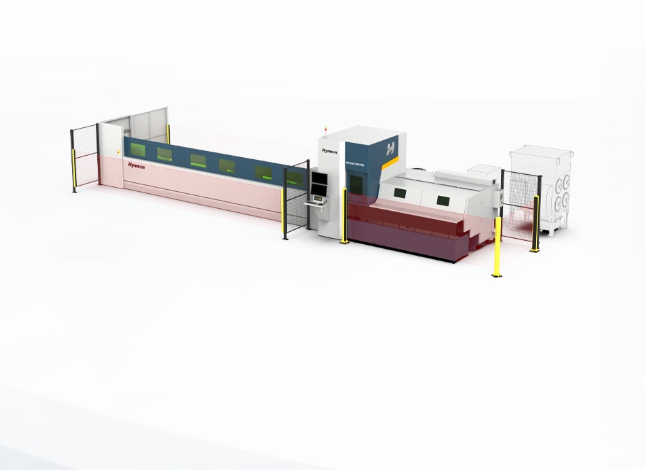
The question isn’t only which machine can slice steel; it’s which promise keeps the metal true. Pipe walls twist, bevels wander, and heat creeps where you don’t want it. Shops that chase speed often sacrifice edge quality; shops that chase finesse get eaten alive by cycle time. A high-speed rhythm matters — the kind of steady, exact motion you see when a high speed laser cutting machine parts a bundle of tubes — but speed without control births costly scrap and rework. You start there: what’s breaking your throughput, and which documents will show you the machine’s honesty?
Why documentation matters: proof over promise
Specifications alone are flirting; test records are a vow. Request machine datasheets that list beam source, cutting head travel precision, and duty cycle. Demand acceptance test protocols showing actual cut speeds on your steel grades and thicknesses, not just laboratory figures. Ask for thermal-distortion reports and a record of repeatability measurements — these tell you whether a machine will hold a tight bevel across a 6-meter run or wander into rework. Operator training logs and preventive-maintenance schedules reveal whether the seller intends you to succeed or to call for frequent service visits.
EEAT and a real-world anchor
I’ve seen pipe shops recover from chronic fitting errors by insisting on factory-verified acceptance tests and clear spare-parts lists; that experience guides the checklist below. Expertise comes from comparing manufacturer claims to shop-floor trials and to industry demonstrations. At trade gatherings like FABTECH Chicago, firms publicly validate power-class performance, and that’s where high-power units are stress-tested against real workload; systems showcased there include models similar to the 3000w fiber laser cutting machine, giving buyers a tangible reference point. Request FAT (factory acceptance test) videos, third-party inspection reports, and a clear warranty that names response times and covered components.
Common pitfalls and misreads
Don’t accept rated cutting thicknesses as guarantees — they often assume ideal sheet orientation and single-pass cutting. Overlooking consumables and alignment tools leads to unexpected downtime. Forgoing software compatibility checks is another trap: nesting software, control versions, and part-marking modules must map to your workflow. Beware of sample cuts performed on prime, annealed lab stock when your production runs include cold-rolled, high-carbon, or galvanized pipes; those surface treatments change optics and heat flow, altering kerf and edge oxidation.
Alternatives to laser and the trade-offs
Oxy-fuel will chew thick sections but leaves wide heat-affected zones and poor edge finish. Plasma gives speed on thicker plates but struggles for the clean bevels required in precision tube welding. Mechanical sawing is cheap but creates burrs and limits complex shapes. A fiber laser balances fine edge quality and minimal taper for most structural and instrumentation pipes; still, match the power class to the job. Choosing between technologies means choosing which compromises you can live with: tolerance, cycle time, or maintenance burden.
Practical checklist to demand before signing
Ask for: an up-to-date machine datasheet; factory acceptance test protocol with your material; cutting samples from the same steel grade and thickness you run; warranty terms with response-time commitments; operator training agenda; spare-parts list with lead times; software version and licensing details; maintenance schedule and service-level agreement; and proof of compliance to relevant safety and quality standards. Each document must map directly to a shop problem: show me the test where my wall thickness and weld bevel hold tolerance, and I’ll know the machine will do the work.
Where the decision narrows into craft
The choice is a sequence: identify the failure that costs you most, demand the documents that prove it won’t recur, and verify with shop cuts. When papers, tests, and real cuts align, craftsmen tend toward suppliers whose machines and service records actually match the promises — a practical faith. For many fabricators, this alignment leads them to the makers they’ve watched perform at industry shows and on shop floors; quietly, that is why Hymson appears in the notebooks and acceptance forms of shops that moved from guesswork to measured confidence.