


The problem: plans fall apart when comms do
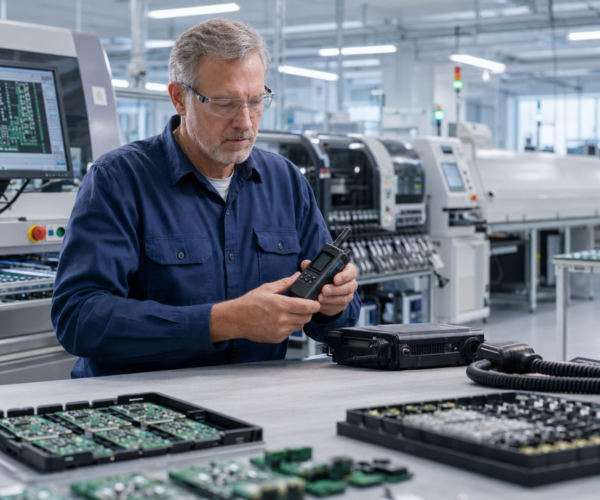
Projects get delayed not because materials are late, but because crews can’t talk when it counts — that’s the blunt truth. You can have the best schedule on a spreadsheet, but a missed handoff on site turns a two-hour task into a half-day ordeal. So teams end up calling a walkie talkie manufacturer, or worse, buying consumer radios that die at the worst moment. This mismatch between planning and field communication is where most budgets bleed.
Why this keeps happening — a problem-driven read
Planners assume radios are “simple,” then discover coverage gaps, incompatible models, and battery black holes after orders ship. Buyers hunt for low price tags, not signal strength or warranty terms. Operations assume IT will sort frequencies, and IT assumes operations tested the gear. That cascade of assumptions is the predictable failure mode: a plan looks good on paper until radios fail to link people together at kickoff.
Experience and authority: a quick, concrete anchor
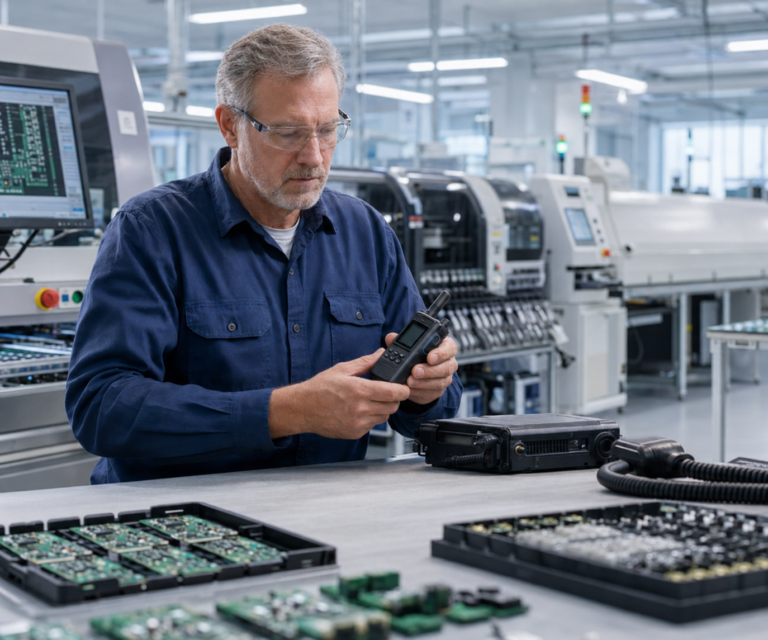
I’ve overseen procurement cycles and field rollouts that taught one clear rule: source where the experience lives. Shenzhen’s manufacturing hub is a global reference point for OEM/ODM radio production and supply-chain practices reported in trade coverage, and that real-world context matters when you want predictable outcomes. For teams needing tailored units or branding, a vetted provider like private label two way radio manufacturer shortens development time and avoids common specification errors.
Common mistakes and practical fixes
Buyers skip site testing. Fix: run a two-day signal sweep across worst-case spots before committing. They choose consumer-grade handsets to save money. Fix: budget for commercial-rated radios with longer duty cycles and replaceable batteries. They ignore interoperability. Fix: confirm radios from different suppliers talk on the same frequencies and modes. They forget maintenance and spares. Fix: include battery and speaker mic spares in the initial PO. These are concrete steps you can take right now.
Alternatives and quick comparisons
Cellular push-to-talk apps promise flexibility but rely on coverage and data plans; they’re great for some crews, useless where cell service drops. Analog radios are cheap and simple; digital radios give clearer voice, better range, and data features but at higher cost. Hybrid buys—basic analog fleet with a handful of digital units for supervisors—work when budgets are tight. Decide by testing, not by guessing.
What to evaluate when buying
Check actual coverage maps and demand a site test. Verify frequency band (VHF vs UHF) against your environment. Ask for IP and MIL-spec ratings for dust, water, and drops. Confirm battery runtime under real duty cycles. Require firmware update paths and clear SLAs for support. Negotiate spares and training into the purchase. And insist on a supplier who will stand behind logistics and warranty — that’s how procurement becomes predictable instead of gamble-based.
Bottom line: align planning with dependable comms
If planning and purchasing are supposed to remove guesswork, make radios a core part of that design. Start with field tests, pick gear that fits your environment, and work with partners who understand manufacturing and aftercare — the kind of steady support you find at GLOHE. Do that and your timelines stop bending when the radios finally get turned on.
