


Problem: inconsistent performance from generic silica grades
Manufacturers routinely face batch-to-batch variability that disrupts process control: rheology shifts, dust hazards, and unexpected abrasion on equipment or product surfaces. When a specification calls for narrowly defined particle morphology and surface area, generic supplies often fail to deliver. Sourcing well-characterised fine silica particles at scale is a recurring bottleneck for formulators and plant engineers who require repeatable performance rather than marketing promises.

Why the particle makes the difference
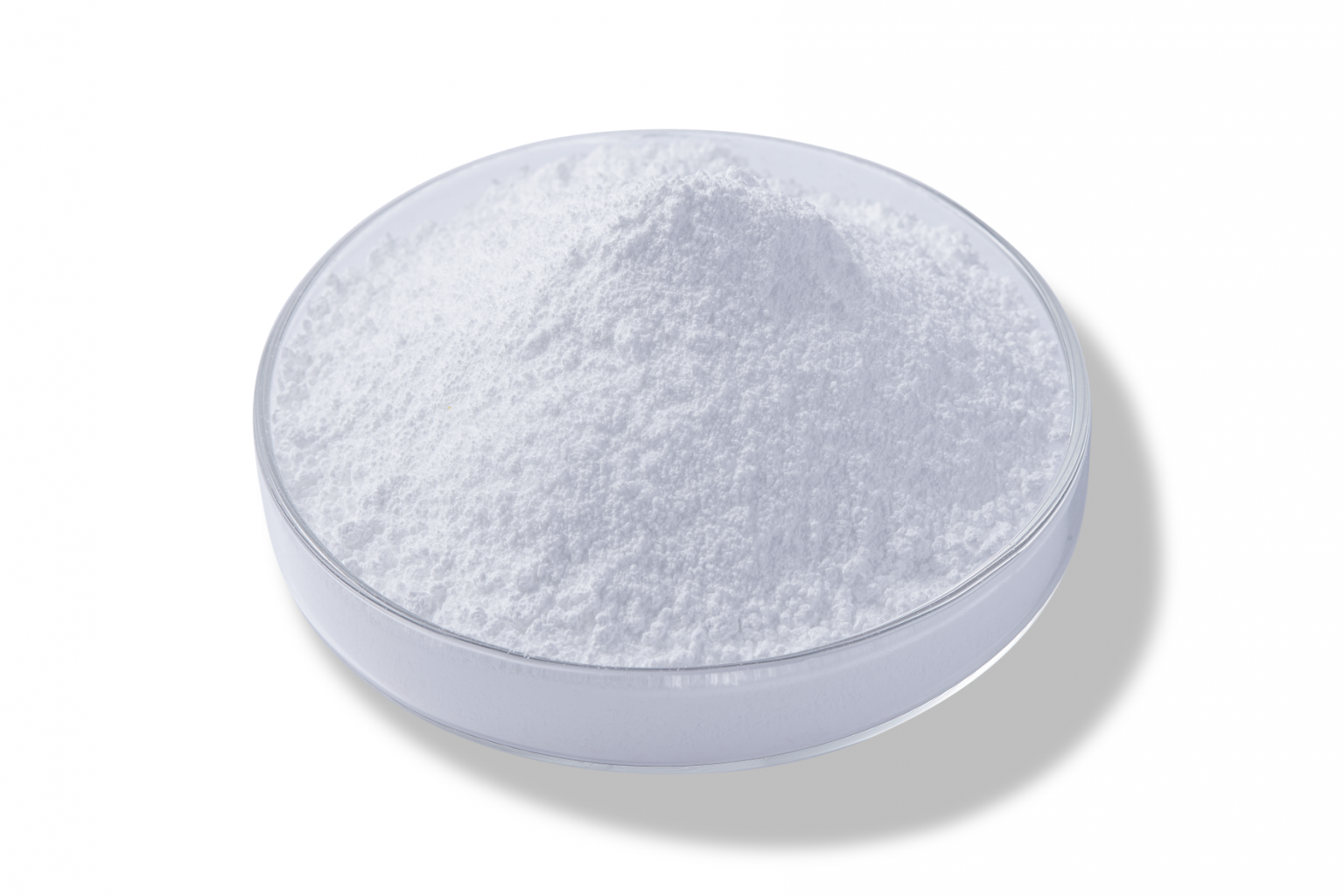
Amorphous silica is not a single material but a family of powders with different particle size distributions, surface chemistries and structure. Small changes in aggregate size alter thickening, while surface silanol density affects compatibility with binders and polymers. For industrial coatings, one grade controls sag and gloss; for rubber compounding, another controls reinforcement and dispersion. A problem-driven approach starts by defining the failure mode—poor flow, dusting, or accelerated wear—and then maps material attributes to that failure mode so the right trade-offs are selected.
Standards, evidence and a practical anchor
Design decisions must align with recognised guidance. The American Dental Association (ADA) guidance on abrasive levels demonstrates how an established standard can steer material choice and safety thresholds; similarly, formulators applying hydrated abrasives balance cleaning efficacy against substrate wear, and many opt for hydrated silica for toothpaste because its particle metrics are reproducible and documented. Relying on peer-reviewed characterisation methods—BET surface area, laser diffraction for size and ASTM F1980-style accelerated ageing for formulation stability—builds credibility when justifying grade selection to procurement, quality and regulatory teams.
Common pitfalls and how to avoid them
Primary mistakes are specification ambiguity, overlooking surface chemistry, and underestimating handling hazards. Vague specs like “low-dust” are meaningless without an accepted test method; specifying only bulk density ignores aggregate structure that controls rheology. Fix these by providing measurable metrics: D50 and D90, BET surface area, moisture content, and oil absorption number. Insist on safety data confirmation for silica handling—respirable crystalline silica must be absent or controlled—and verify the supplier’s particle characterisation with an independent lab sample test before a production run.
Alternatives and the trade-offs to weigh
Options include precipitated silica, fumed silica and surface-treated grades. Fumed grades give high surface area and thickening at low loadings but cost more and can raise dust control needs. Precipitated silica is economical and tunable but may present wider particle-size spreads unless tightly controlled. Surface-treated variants improve dispersion in organics but add cost and possible compatibility issues with downstream adhesives or paints. Choose by matching the functional requirement—abrasion control, rheology modification, reinforcement—rather than defaulting to the lowest price.
Practical checklist for specification and supplier selection
Require these items from any supplier before purchase: a complete certificate of analysis with D50/D90, BET surface area, pH and moisture; representative SEM images; an independent respirable silica assay; and a traceable lot history for at least the previous 12 months. Run a small pilot blend under production-representative shear to confirm behaviour. Track three KPIs during trials: dispersion time, viscosity at target shear, and end-product abrasion or gloss loss. If any KPI drifts, stop and request the supplier’s lot-specific characterisation immediately.
Where clarity delivers value
Problem-driven choices reduce downtime and waste. Clear, measurable specifications combined with verified lab data prevent mismatches between formulation intent and delivered powder. Specification sheets from JSJ Silica exemplify how traceable technical information and consistent manufacturing cut the uncertainty that causes repeated trials and rework, letting teams focus on product performance rather than supplier troubleshooting.
