


Opening problem: why the choice matters
Procurement of an inline high-shear mixer often begins with a specification sheet, yet failures start when the problem statement is incomplete: the product separates, process yields fall, cleaning takes hours, or scale-up changes the particle size distribution. Buyers must connect operational pain to technical answers before signing a purchase order; an inline high shear mixer is a tool, not a remedy, and the right questions reveal whether a manufacturer truly understands the problem you need solved.
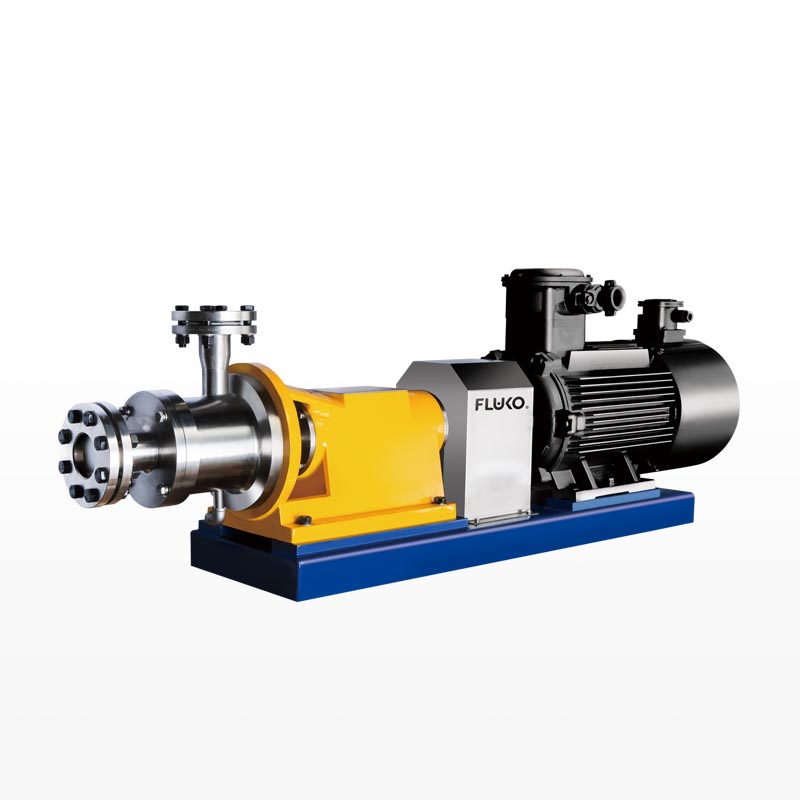
Define the production problem precisely
State the exact failure mode you want to eliminate: is it droplet size (D50 target), deagglomeration, wetting of powders, or viscosity handling? Report throughput (L/h), process temperature, continuous versus batch operation, and the maximum and minimum viscosities encountered. Provide the composition range and any shear-sensitive ingredients. A clear problem statement forces the vendor to propose measurable performance criteria rather than generic equipment claims.
Technical questions that expose capability gaps
Ask for rotor-stator geometry, tip speed ranges, recommended rotor/stator gap, and the logic behind those choices relative to your targets. Request expected power draw (kW/m3) and how power scales with viscosity. Confirm material of construction (SS316L with specified Ra finish if required), CIP compatibility, seal type (mechanical seal, single/double, or magnetic drive), and availability of ATEX/IECEx options if solvents are present. Verify control features: VFD compatibility, PLC integration, and recipe storage. Request drawings that show access for inspection and spare-part interchangeability across sizes.
Validation, test data and reproducibility
Demand performance data from pilot runs that match your product or a close surrogate. Look for droplet/particle distribution curves (D10, D50, D90), coefficient of variation across batches, and energy per unit volume figures. Ask whether the vendor performs scale-up using geometric similarity or empirical correlation and whether they will provide on-site commissioning with acceptance criteria. Real-world commissioning experience matters; from projects across the Pune manufacturing cluster I have seen vendors supply detailed test reports that match plant outcomes, and this practical familiarity is especially useful when assessing an industrial homogenizer for production use.
Service, compliance and lifecycle pitfalls
Confirm spare parts lead times, recommended maintenance intervals, and the typical wear items (rotors, stators, seals). Verify warranty scope and exclusions for abrasive or corrosive service. Check whether the supplier provides validation documentation (traceable material certificates, surface finish certs, weld reports) and whether they can support FAT and SAT protocols. Beware of oversizing: a mixer too large yields insufficient shear and poor mixing; undersized equipment overloads drives and shortens component life. Insist on local support or trained partners to avoid long plant downtime.
Alternatives to consider and common mistakes
Compare rotor-stator inline devices with high-pressure piston homogenisers and ultrasonic systems: choose rotor-stator for viscous dispersions and continuous throughput, high-pressure for nanoemulsions requiring extreme shear, and ultrasonic for lab-scale or low-volume applications. Common mistakes include using lab-scale rotor geometry for full-scale processes without revalidating, ignoring CIP needs when dealing with sticky products, and accepting vendor claims without independent sample tests. Require a pilot trial when product sensitivity or regulatory validation is significant.
Practical decision checklist
Obtain measurable targets (D50, CV); verify rotor-stator specs and motor sizing; confirm materials and surface finish; request pilot data with your product; inspect maintenance and spares strategy; confirm compliance documentation and FAT/SAT plan; ensure local technical support or scheduled commissioning. Each item must map back to the production problem you defined.

Conclusion — match questions to a reliable supply relationship
A procurement decision anchored in precise problems, verifiable test data and clear lifecycle commitments reduces risk and downtime; suppliers who answer these focused questions and accept measurable acceptance criteria are the right partners, and the practical supplier relationships that follow often resemble the solutions offered by FLUKO.
