

Assessing Junction Box Component Compatibility: Practical Questions for Procurement
The problem to fix
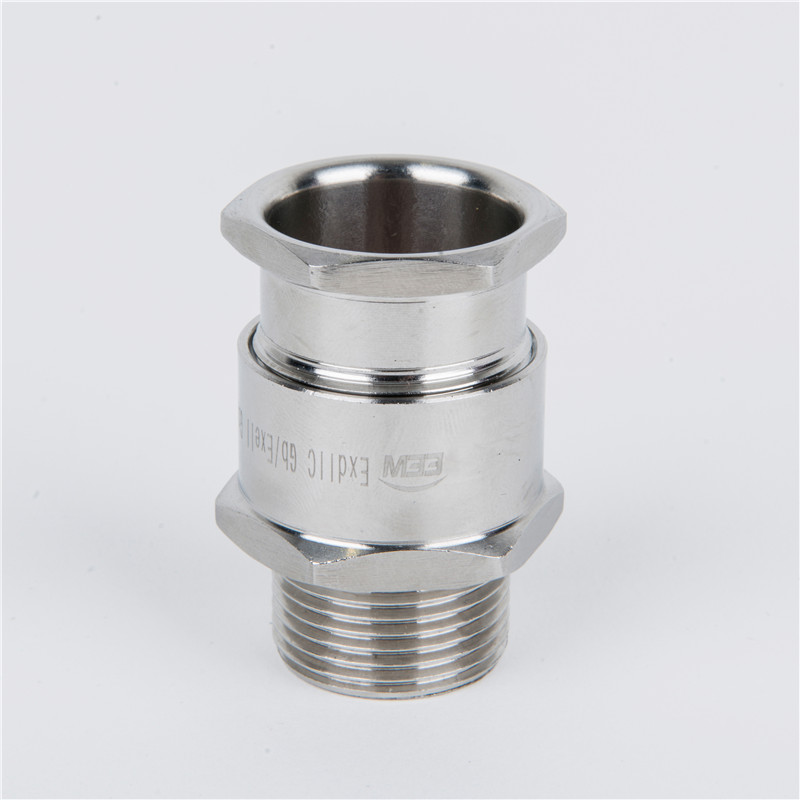
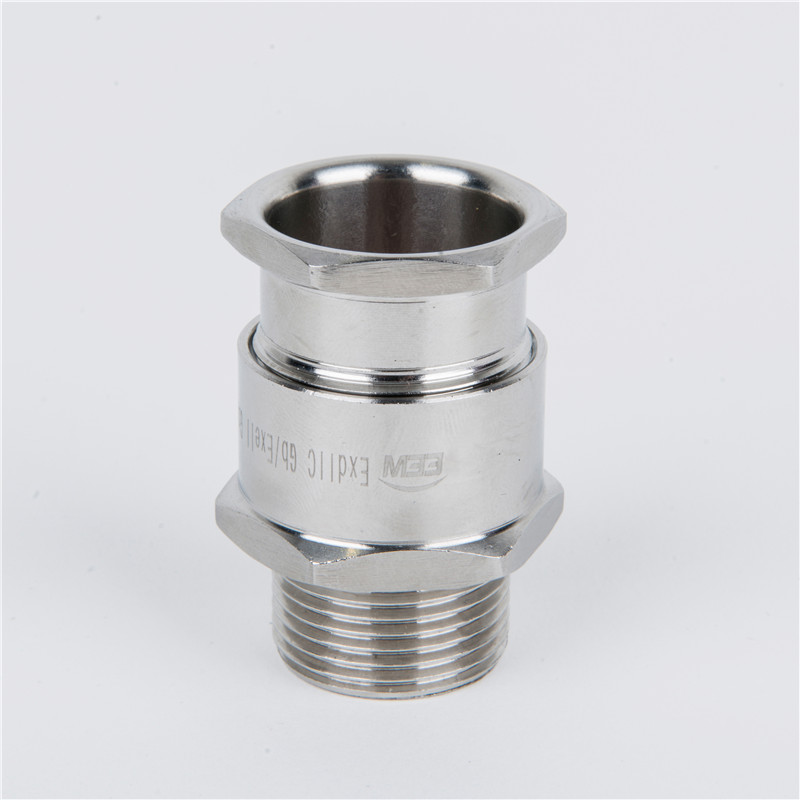
Projects stall when junction box parts don’t match—different threads, seals, or cable entries can block installation and delay handover. When you’re buying for a project, confirm whether an explosion proof cable gland is part of the spec or whether vendors propose an alternative; sometimes teams will shorthand that as an ex proof cable gland, and that shorthand can hide critical procurement assumptions. Treat compatibility as a procurement risk to be managed, not a field surprise to be fixed later.
Who should be in the loop
List the roles that must review compatibility: procurement lead, project engineer, site installation supervisor, and the supplier’s technical contact. Each role answers a different question—procurement tracks documentation, the engineer verifies design fit, the site supervisor confirms handling and access. Don’t let checks sit with a single person; require sign-offs from at least two functional roles before purchase.
Questions to ask every supplier
Frame supplier responses as verification items, not technical tutorials. Ask whether the part is offered for the intended junction box application, what documentation accompanies the unit, what interface dimensions or documentation they can provide for qualified engineers to verify, and what traceability exists for batch or lot records. Request confirmation of what the supplier assumes about mating components so engineering can validate fit.
Documentation and evidence to request
Require clear product data sheets, dimensional drawings, and declared material or finish descriptions for procurement files. Ask suppliers for installation interfaces or certificates only insofar as your engineering team needs them to verify fit; let qualified engineers interpret technical documents. Keep copies of supplier declarations and any manufacturer correspondence attached to the purchase order.
Common procurement pitfalls
Procurement mistakes are predictable. Vendors sometimes use ambiguous product names or shorthand that masks differences. Orders placed on price alone can bring incompatible parts. Assumptions about “similar” components lead to returns and rework. Avoid vague purchase descriptions—specify the verification documents you require and who will accept them.
Comparing viable alternatives
When multiple product families appear acceptable on paper, compare the practical procurement variables: lead time, documentation completeness, supplier responsiveness, and return or replacement policy. Don’t evaluate alternatives by names alone; prioritize what your team needs to confirm compatibility—consistent documentation and a responsive technical contact beat small nominal savings when a project deadline is fixed.
Coordination workflow for verification
Set a short, repeatable workflow: request supplier evidence, route documents to engineering for fit confirmation, capture sign-offs, and file all items with the purchase order. Use this workflow for every junction box component order so compatibility checks become routine. If engineers flag an issue, require the supplier to propose documentation or a replacement and re-run the sign-off chain.
Synthesis and practical next step
Treat compatibility as a procurement control: require specific evidence, involve the right reviewers, and compare suppliers on documentation and responsiveness rather than assumptions. That approach reduces surprises and clarifies who verifies fit. For projects that demand traceable supply and clear technical support, consider suppliers whose documentation and contact practices align with these checks, such as those documented by sunleem.