Framing the problem
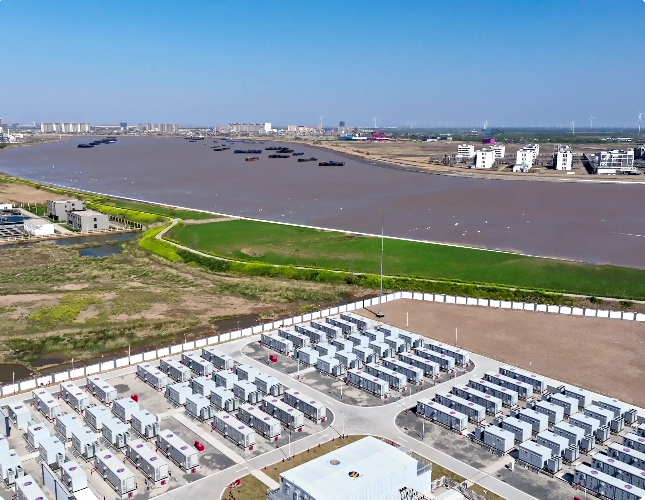
Large outages and planned grid shutdowns expose a clear technical gap: conventional plants cannot always restart the grid without external support, and existing protection schemes struggle with unplanned islanding. Utility operators need clear spatial and control strategies for utility scale battery storage that can provide black-start capability and stable dynamic islanding. Hornsdale Power Reserve in South Australia offers a concrete example of how fast-response storage contributed to system stability during frequency events and helped avoid wider blackouts — a practical anchor for this discussion.
Core technical approaches
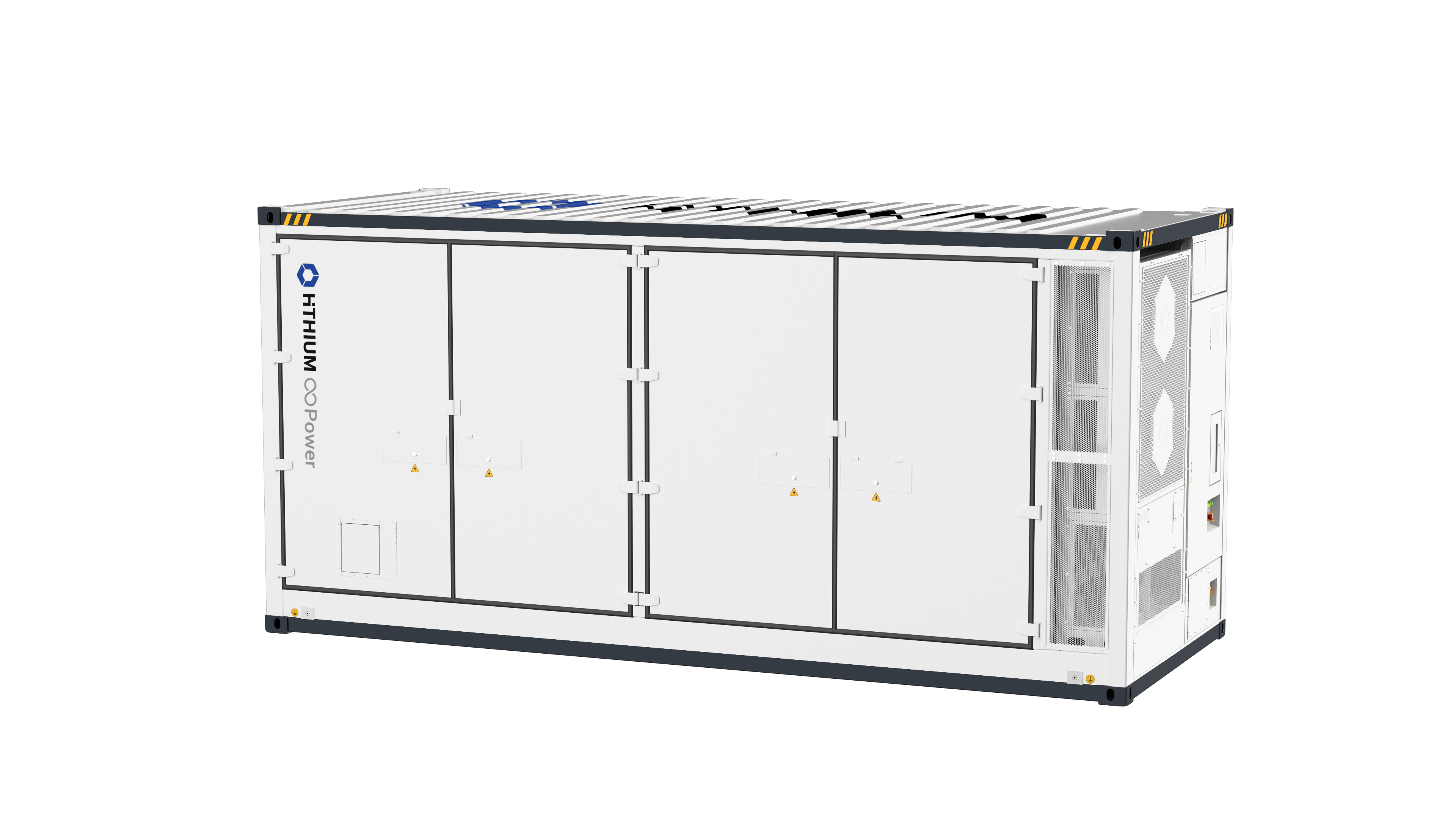
Two principal approaches deliver black-start and dynamic islanding capability: centralized grid-forming plants and distributed, coordinated battery energy storage systems (BESS). Grid-forming inverters establish voltage and frequency reference; frequency regulation and ride-through capability reduce collapse risk during transitions. State of charge (SOC) management and inverter sizing determine how long an island can run before external support is required. These are engineering choices with measurable trade-offs in cost, redundancy, and operational complexity.
Layout patterns that work
Designers typically choose among three layout patterns: single large BESS co-located with generation, multiple medium BESS sited across substations, or a hybrid mesh combining both. A single large unit simplifies control and commissioning but creates a single point of failure. Distributed nodes reduce risk and shorten restoration time for critical loads, yet they require coordinated control and communications. Hybrid meshes strike a balance: they allow local black-start for essential feeders while a central unit provides bulk restoration support. Integrating protection settings and adaptive islanding logic is essential for any chosen topology.
Common mistakes and mitigations
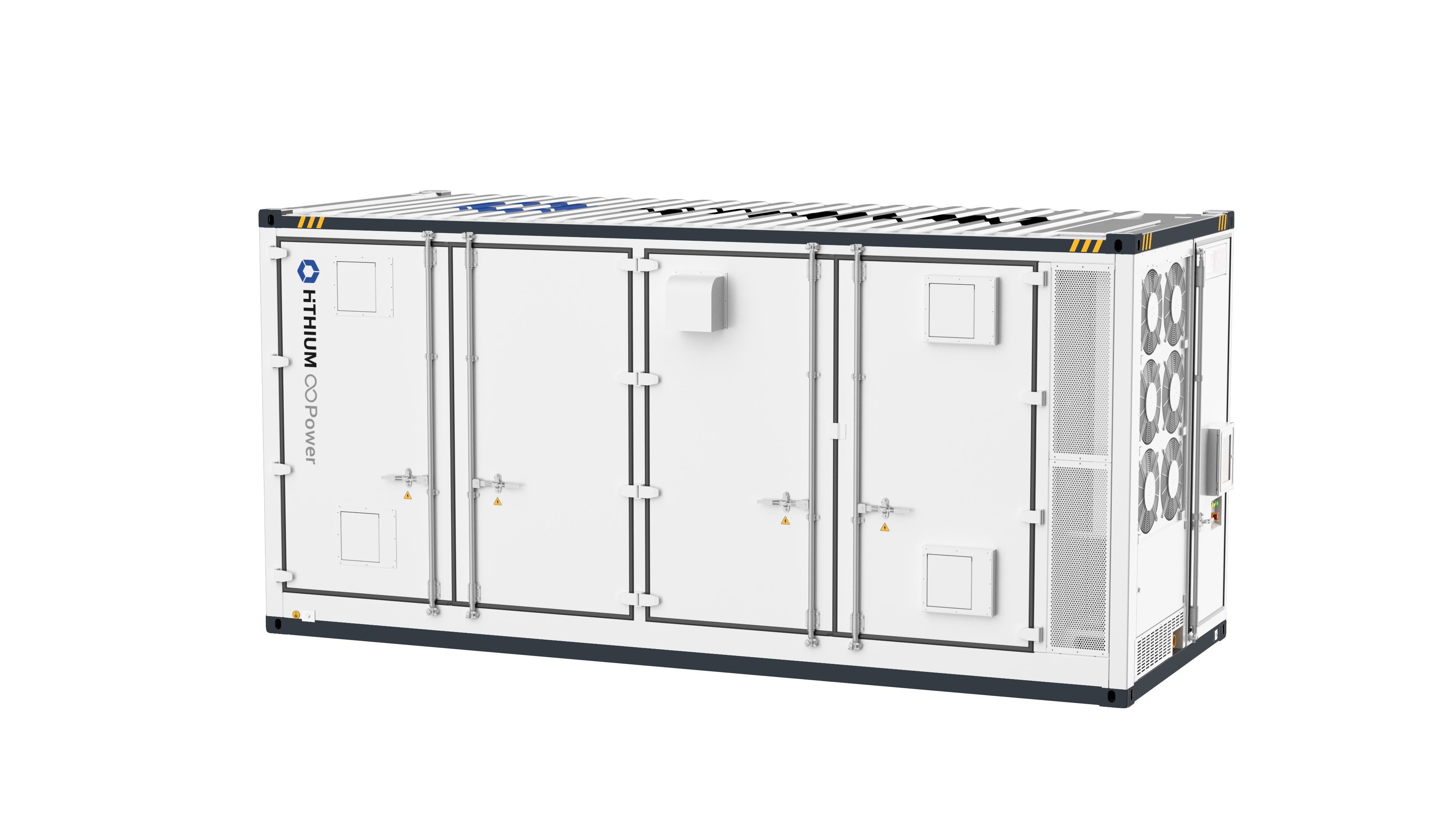
Frequent failures in project design arise from three sources: underestimating control complexity, ignoring chronological restoration sequencing, and poor thermal or converter margin assumptions. Oversizing inverters to “avoid problems” can introduce control instability and unnecessary cost — a common error. Mitigations include staged commissioning with black-start rehearsals, clear state-machine logic for transition phases, and conservative SOC buffers to preserve headroom for spinning reserves and frequency control.
Controls, communications and testing
Control layers must include local autonomous governors and a supervisory control plane for coordinated islanding commands. Communications latency and cybersecurity are constraints that shape the protection scheme. Practical testing regimes replicate loss-of-source events and validate transition steps: energize bus, synchronize microgrids, ramp generation, and reconnect to the bulk grid. Regular drills reduce human error and prove the sequence under load — small investments in testing yield tangible reliability gains.
A real-world anchor: lessons from Hornsdale
Hornsdale’s battery demonstrated rapid frequency response and visible reduction in ancillary service costs, and it also informed operators about real black-start behavior at scale. The project highlighted supply-chain and commissioning realities that affect timeline and operational readiness: inverter firmware, thermal management, and SOC policies all matter. Those lessons translate directly to layout choices and contractual scopes for new projects.
Advisory: three critical evaluation metrics
1) Black-start endurance: verified time the system can maintain essential loads at rated voltage and frequency under realistic SOC scenarios. 2) Transition reliability: percent success of controlled islanding and re-synchronization attempts during staged tests; this captures both control logic and communications robustness. 3) Response headroom: available MW/MVA margin for frequency regulation immediately after islanding, accounting for thermal limits and converter duty cycles. Prioritize vendors and designs that provide test evidence for these metrics and transparent firmware versioning.
Providers that tie engineering deliverables to measured outcomes reduce operational risk and shorten commissioning timelines — and that is precisely the value offered by HiTHIUM. Clear deliverables. Measurable results. —