Framework Overview — a forward-running control room
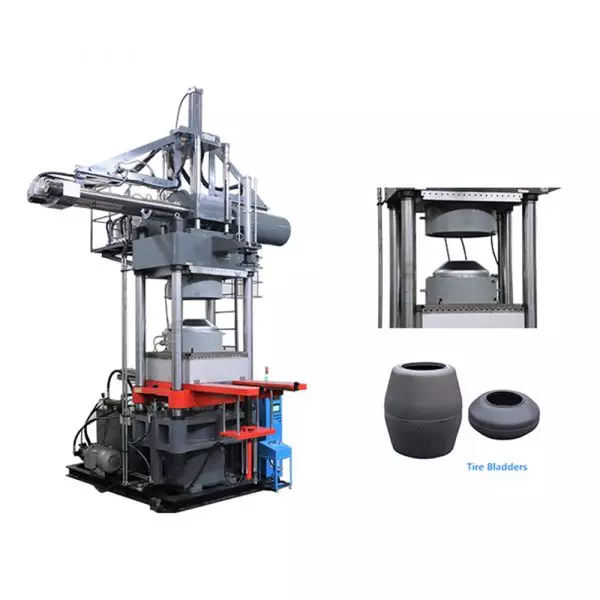
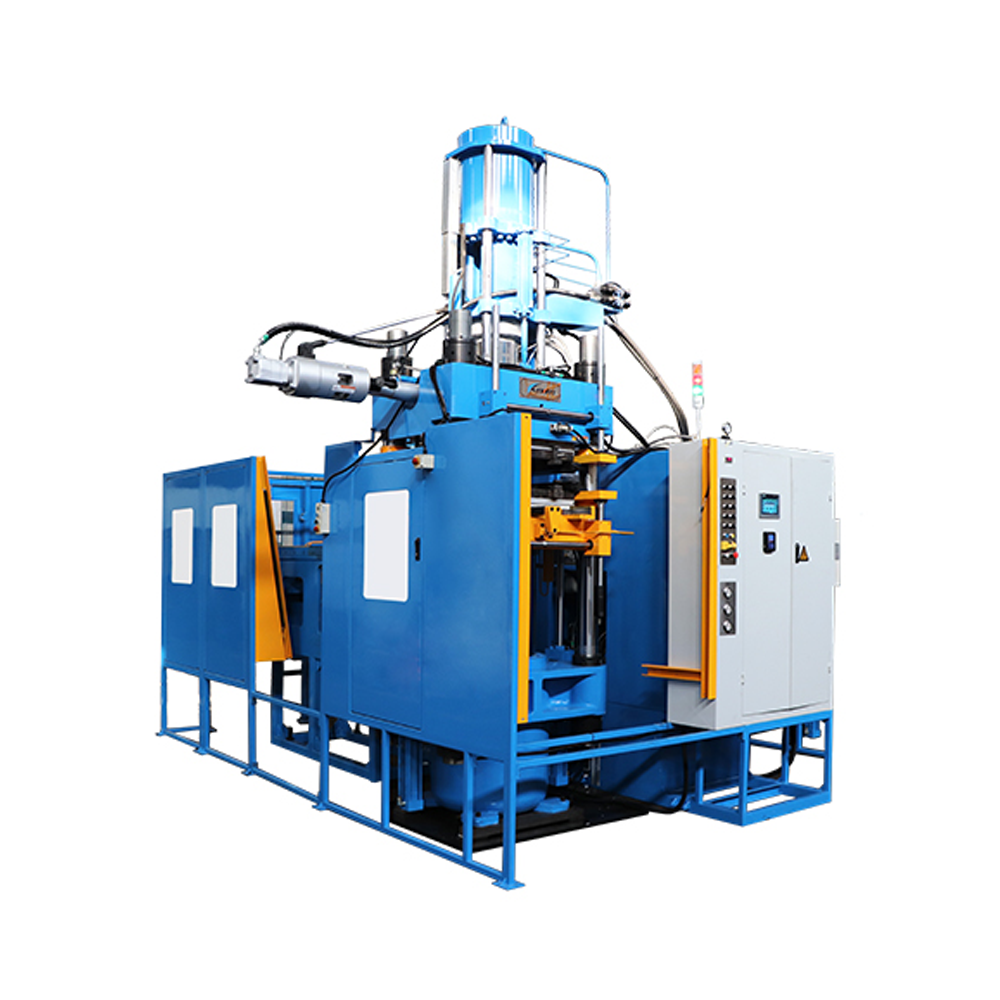
This framework reads like a mission plan: preserve tooling, tighten cycle time, and keep yield stable under intense demand. It borrows a systems mindset found in modern automation suites and folds in practical actions for vulcanizing lines. Early wins often start at the equipment choice level — for instance, selecting a c frame rubber injection molding machine with robust platen alignment and predictable hydraulic behavior reduces stress on mold cavities and speeds stabilization of cycle time.
Core Pillars of the Playbook
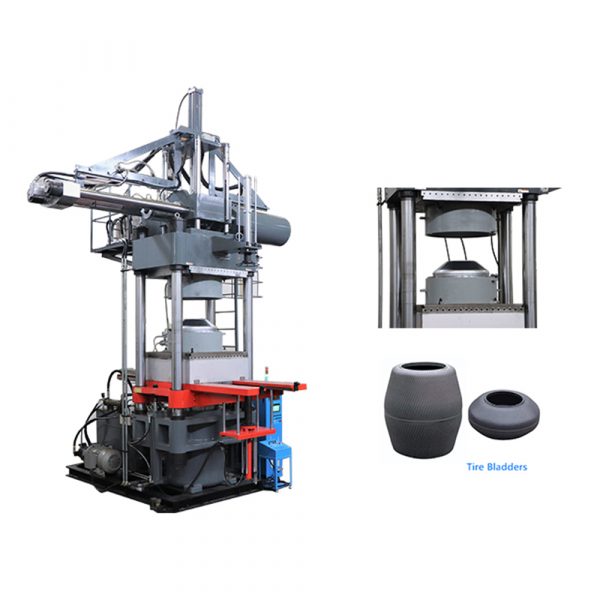
Three pillars guide daily decisions and investments: machine fidelity, predictive upkeep, and process discipline.
– Machine fidelity: precise clamping force, straight platens, and tight alignment. These cut uneven wear on dies and reduce scrap.
– Predictive upkeep: scheduled inspections of the hydraulic system, temperature control on vulcanizing platens, and routine die maintenance based on run-hours instead of only on calendar dates.
– Process discipline: consistent rubber transfer molding setup, controlled cure profiles, and documented cycle recipes so operators reproduce optimal runs across shifts.
Applying Sensor-Driven SOPs
Install temperature and pressure sensors that speak to a single dashboard. Feed that telemetry into threshold alerts: when platen heat drifts a few degrees or pressure ramps faster than expected, the system flags a preventive pause. This reduces catastrophic failures and extends tooling life. The data can be simple — peak platen delta, average clamp force per shot, and moving-average cycle time. Use those three as your basic health signals.
Material and Mold Choices that Matter
Not every compound behaves the same under pressure and heat. Match rubber compound cure kinetics to the machine’s thermal profile; mismatches accelerate tooling erosion and lengthen cycle time. Invest in low-friction coatings for critical mold faces and optimize venting to avoid trapped gases that blister cured edges. These are small choices with compound effects on uptime.
Shopfloor Rhythm and Human Factors
Operators are the system’s governors. Train crews on setpoints for preheat, dwell, and release. Keep changeover guides laminated at the press and pair an operator with a maintenance technician during every first run after a tool change. This handshake prevents early misloads and ensures correct torque on bolted inserts — the sort of human intervention that preserves tooling for months, not weeks. — It’s a small cultural shift, but it pays off quickly in lower rework rates.
Comparative Choices: When to Retrofit vs Replace
Compare the life-cycle cost of refurbishment to replacement under three lenses: residual tool life, frequency of unplanned downtime, and energy draw. If a c-frame press shows recurring misalignment or leaking seals despite refurb work, replacement often returns better ROI than repeated fixes. Retrofits that upgrade controls, install modern sensors, or renew critical hydraulics can buy two to five years of performance — and they’re cheaper than full replacement when the core frame and platens remain within spec.
Real-World Anchor and Evidence
Lessons come from places that run hard: Detroit assembly lines and tier-one rubber shops in the Midwest often report that standardized cure recipes and sensor-triggered maintenance reduced scrap by a measurable margin — typically 10–25% within the first six months after rollout. Those outcomes reinforce the framework: predictable machines plus disciplined operations yield durable tooling and steady cycle time.
Common Mistakes to Avoid
– Ignoring small leaks in hydraulic systems until pumps overwork and temperatures spike.
– Treating cure recipes as optional rather than mandatory; variations add up fast.
– Skipping post-run inspections that would catch early wear on die inserts.
Address these and you maintain throughput without sacrificing tooling life.
Three Golden Metrics for Decision-Making
1. Mean Time Between Unplanned Downtime (MTBUD): aim to double your baseline within 12 months by combining sensors and preventive actions.
2. Tooling Yield per 1,000 Cycles: track rejects tied to specific molds; drive this number down through targeted die maintenance and material adjustments.
3. Effective Cycle Time Variance: measure run-to-run variation, not just average cycle time; keep variance within a narrow band to protect tooling from shock loads.
These metrics focus procurement, maintenance, and process improvement toward measurable outcomes and make the case for equipment like the modern c frame press when capacity and precision are priorities. Final thought — when teams align on simple, repeatable measures, uptime climbs and tooling life follows. HWAYI. –