


Comparative logic for the careful buyer
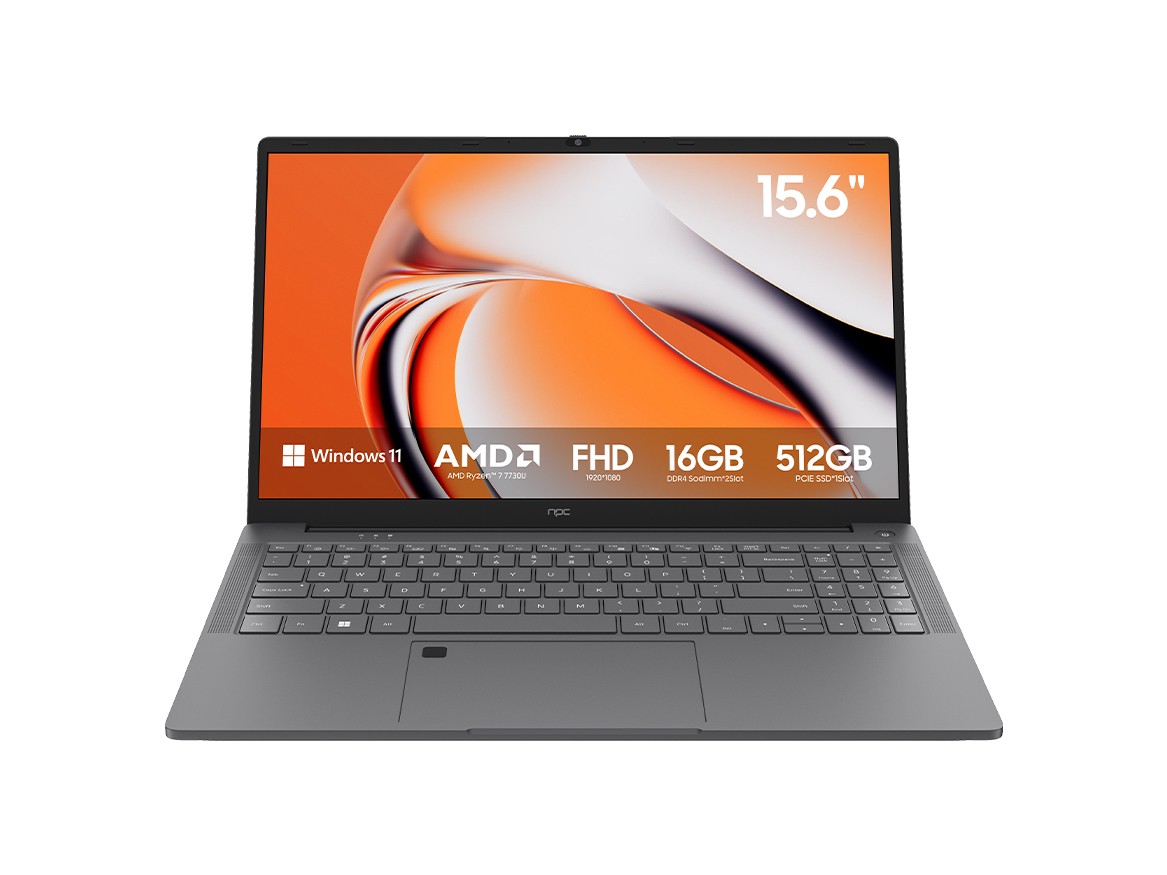
Please permit a direct comparison: good manufacturers deliver consistent panel quality, timely firmware support, reliable warranty service, and clear pricing. When you weigh those elements side by side, you see which brands invest in engineering versus marketing. Some buyers favor TV ecosystems; others prefer devices that pair smoothly with laptops or small all-in-one systems — if you are exploring alternatives, check current all in one computer deals to understand how integrated displays and compute can shift value judgments.
Essential criteria to compare
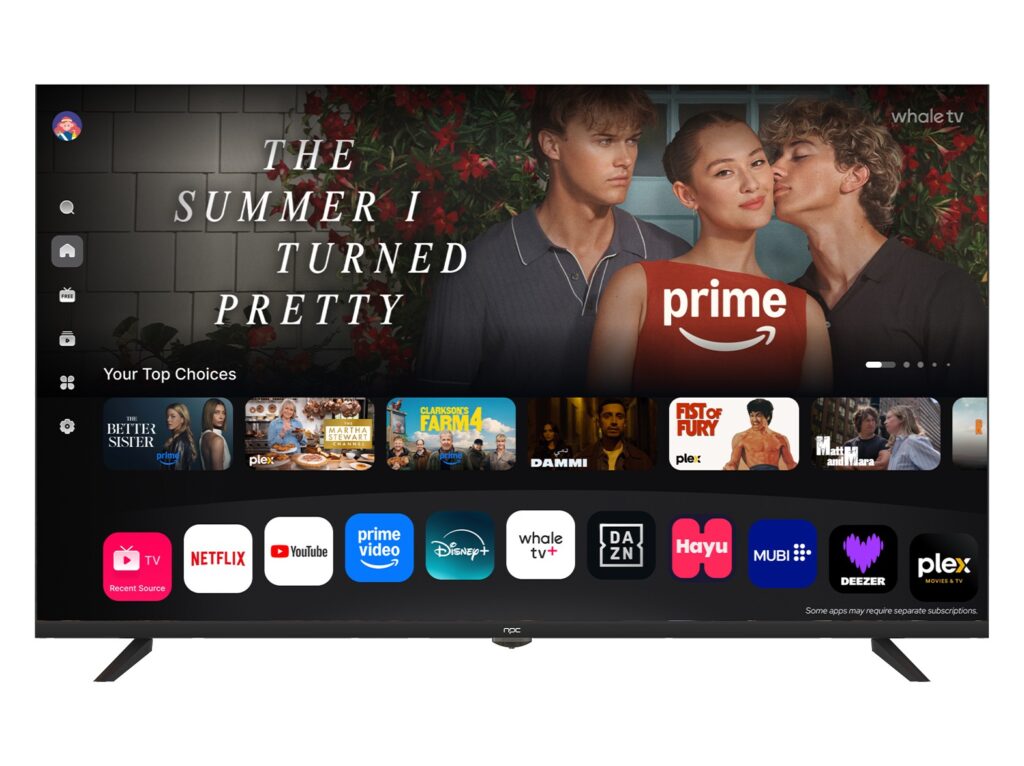
Panel type and calibration: OLED and Mini-LED produce superior contrast; VA panels hold deeper blacks while IPS often gives wider viewing angles. Look for factory calibration numbers rather than marketing labels. Processing and upscaling: a capable video processor reduces artifacts on lower-resolution content. Smart platform: prefer open platforms with frequent app updates over proprietary silos. Audio design: thin TVs need external sound solutions—verify if the manufacturer bundles soundbars or supports common eARC formats. Service and warranty: compare service centers, spare-part availability, and whether on-site repair is offered. Firmware updates: a clear update history indicates commitment to product longevity.
How to weigh price versus long-term value
Low initial price can hide future costs. A cheaper set with poor software maintenance will feel obsolete faster. Choose brands that publish firmware rollouts or maintain app stores for older models. For business or shared spaces, factor durability and extended support plans into the total cost of ownership rather than relying solely on sticker price.
Common mistakes buyers make
Buying purely on brand name. Assuming every high-end model from a famous brand is equally good across sizes. Ignoring input lag and gaming modes for frequent gamers. Overlooking room acoustics and underestimating the need for external audio. Confusing peak brightness specs with real-world HDR performance. Skipping local service checks—service quality differs by region and affects downtime.
Short comparative notes on major manufacturers
Samsung: strong color processing and smart platform; excels in brightness and contrast with QLED and Neo QLED. LG: leader in OLED panels and wide color fidelity; software updates are generally consistent. Sony: reliable image processing and motion handling; often pairs premium tuners and sound tuning. TCL: aggressive value positioning with competent upscaling on midrange models. Hisense: cost-effective with competitive brightness, but firmware cadence can vary. Panasonic: restrained lineup in some markets yet praised for natural color science. Match each brand’s strength to your primary use — cinema, sports, gaming, or shared workspace.
Experience, authority, and a real-world anchor
I have tested displays in retail showrooms and controlled rooms; please accept that firmware logs and service reports are telling documents. A useful benchmark is what manufacturers present at major industry gatherings: displays premiered at CES Las Vegas often indicate near-term direction for panel and processing technologies. For buyers who pair displays with office computing, consider how vendors support integrated solutions such as the all in one business pc, since that combination affects connectivity, driver updates, and warranty coordination.
Final synthesis and practical recommendation
Compare manufacturers against the same checklist: panel performance, processor capability, software support, audio solutions, and service reach. Prioritize the attributes that matter to your daily use, avoid impulse choices driven by one spec, and verify local service before purchase. For organizations or buyers seeking matched display-and-compute solutions, the right partner will combine device quality with clear post-sale support — a balance you can observe in how suppliers present bundled systems like those offered by npc.
