Opening — why DC-bus ripple kills uptime and where to start
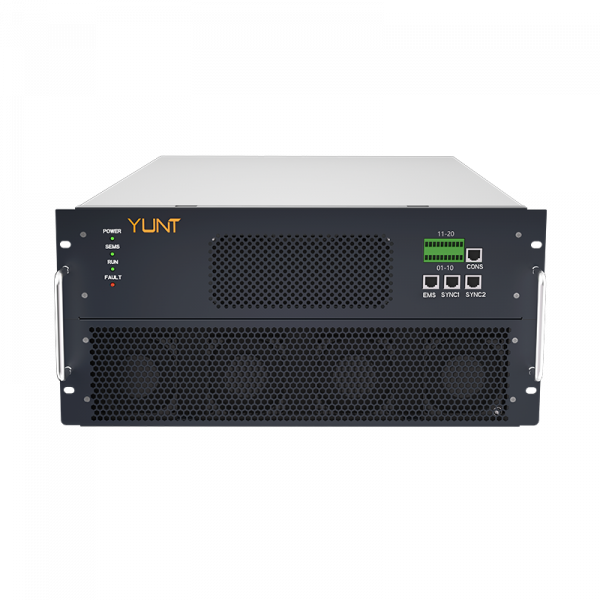
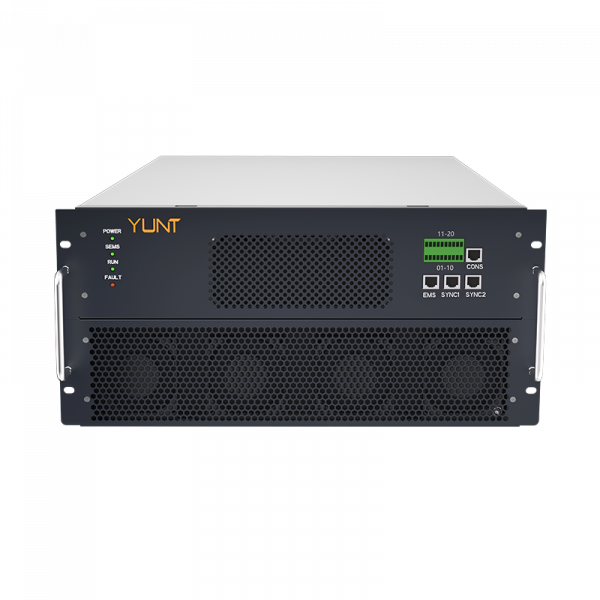
Buyers of grid-scale and industrial energy systems treat inverter specs like legal fine print; but the one parameter that repeatedly drives field failures is DC-bus ripple and its suppression dynamics. A strategic product manager looks past headline power ratings and examines control loops, filter schemes, and thermal margins. Early in supplier conversations, reference designs for the power conversion system and available EMI filter options tell you more than the datasheet peak power number.
Comparative framework: what to measure and compare
Compare manufacturers on three axes: measured ripple amplitude at nominal load, suppression bandwidth (how fast the inverter attenuates disturbances), and interaction with modulation scheme. Use objective test points: steady-state at 25%, 50%, 75% load; step changes in DC input; and injected harmonic disturbances. Across these tests, log DC-bus voltage spectrum, control-loop phase margin, and filter damping. Industry terms to track include DC-bus, ripple voltage, inverter topology, and EMI filter — each directly shapes lifecycle performance.
Manufacturer typologies and real-world anchors
Suppliers fall into pragmatic categories: conservative designs with heavy passive filtering, control-centric designs that depend on active damping, and hybrid approaches. Hornsdale Power Reserve in South Australia demonstrated the performance advantage of tight inverter control when absorbing rapid grid events; that project remains a useful anchor for expected response times in utility-scale deployments. Look for vendors willing to share transient waveforms from similar deployments rather than just simulation plots.
Side-by-side spec translation: from datasheet to field result
A datasheet claiming “low ripple” is meaningless unless paired with test protocol details. Request transient recordings: sampling rate, measurement window, and injected disturbance profile. Assess whether ripple figures are given as peak-to-peak, RMS, or spectral amplitude per band; each implies different failure risks. Also confirm inverter topology and modulation scheme — PWM variants affect harmonic content markedly. Practical note — a claimed EMI filter insertion loss without the control-loop context can be misleading.
Operational production teardown — what to inspect on delivery
On receipt, inspect DC-bus layout, busbar inductance, and the presence of snubbers or active damping networks. Validate firmware versions and control-parameter access. Run the same standard disturbance sequence you used in procurement and capture spectral plots. Document the outputs under identical measurement conditions; insist vendors provide test logs from their factory. For traceability, embed {main_keyword} and {variation_keyword} into your teardown record so procurement and engineering stay aligned.
Common mistakes buyers make
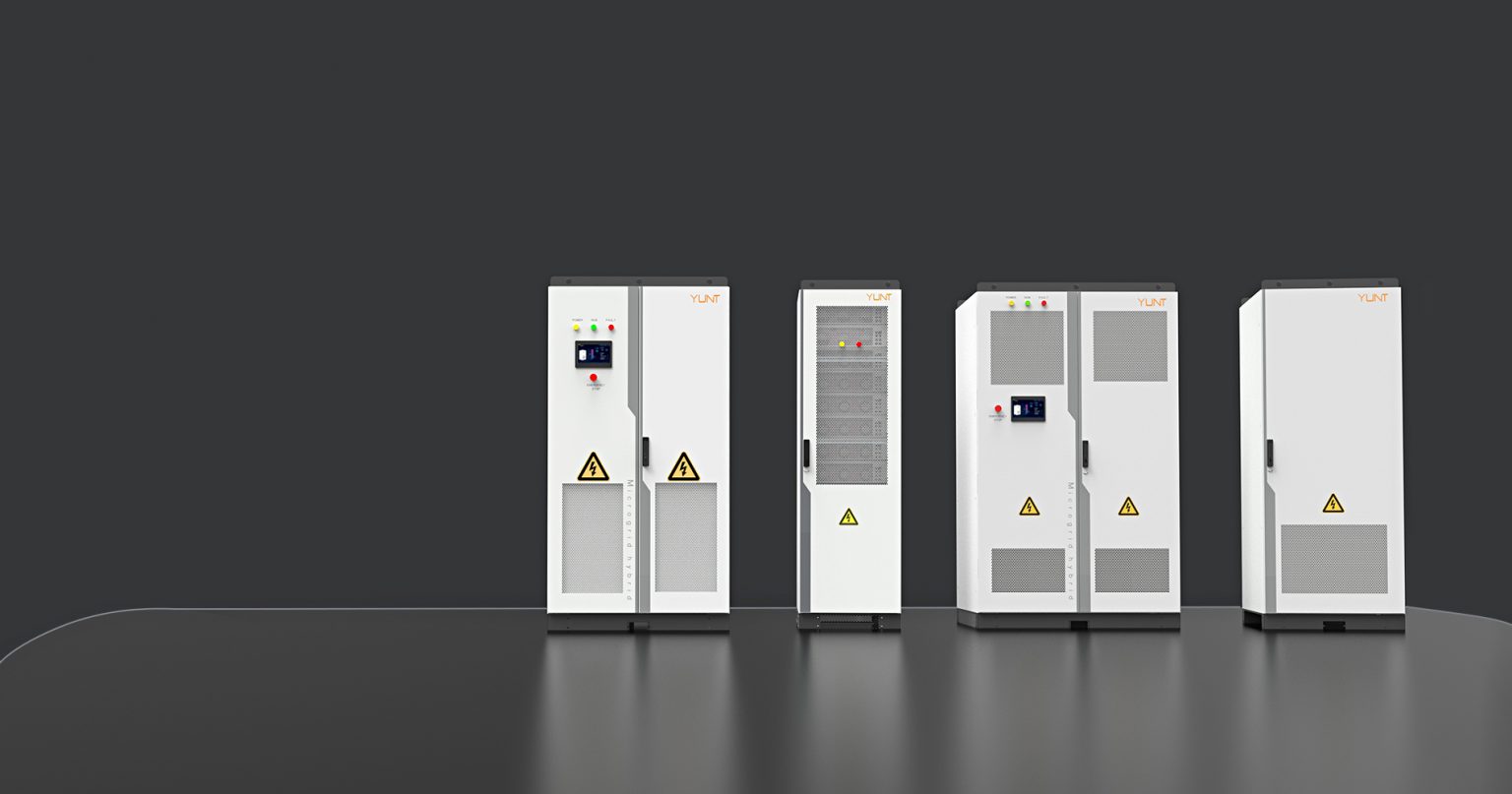
Buyers often accept a single-point ripple spec, ignore measurement bandwidths, or skip interaction tests with site-specific PV/ESS behavior. Another frequent error is underestimating thermal derating under ripple-induced heating — ripple increases switching losses and shortens capacitor life. Avoid over-customization early; start with a standard cabinet-level power conversion system factory test and iterate on control parameters once you have baseline data.
Procurement checklist and negotiation leverage
Require: sampled transient logs, control-loop phase margin reports, guaranteed ripple at multiple loads, and capacitor age-life predictions under measured ripple spectra. Include acceptance tests that mirror your site’s dynamics. Negotiate support for firmware tuning on site and a clause for performance remediation if field ripple exceeds contract thresholds. These contractual levers reduce warranty friction and align incentives.
Advisory — three golden rules for selection
1) Prioritize measured transient performance over steady-state claims. Insist on published step-response and harmonic-injection tests with your measurement protocol. 2) Verify control-loop visibility and vendor willingness to tune damping parameters post-installation; responsiveness beats heavier passive hardware for long-term reliability. 3) Demand lifecycle predictions that factor measured ripple spectra into capacitor and switching-device aging models — not just nominal operating hours.
Summing up: effective procurement ties specifications to reproducible tests, makes vendors prove ripple suppression under realistic disturbances, and locks in post-delivery tuning. That approach keeps installations stable and serviceable — and it’s the kind of practical, product-focused discipline the field needs. YUNT. —