


Clear problem statement
Products fail because heating elements are chosen by price or familiarity, not by operating constraints; that single error turns a nominal design into warranty work. Engineers and buyers must treat ptc heater selection as a requirements-driven decision: define the thermal goal, duty cycle, installation envelope, and failure modes before comparing parts.

Root causes that repeat on projects
Specification gaps: power-per-area, steady-state vs peak load, and response time are often unspecified. Environmental mismatch: condensation, continuous vibration, and chemical exposure shorten life. Control mismatch: choosing a self-regulating element without confirming the system’s thermal inertia creates oscillation or overshoot. Supply-chain blind spots: accepting a generic heater spec from multiple vendors hides tolerancing and production variability. Safety oversights: missing over-temperature cutouts or inadequate insulation risks field replacements and liability.
Design constraints that matter
Thermal setpoint accuracy — define acceptable drift in degrees and time to reach setpoint. Power density and derating — rate parts for real enclosure temperatures, not ambient lab values. Self-regulation behavior — verify negative-temp-coefficient curves under your mounting conditions. Electrical compatibility — confirm inrush and steady current under nominal voltage and expected supply tolerances. Mechanical integration — plan lead routing, strain relief, and spacing for heat spread. Standards and EMC — allocate space and components for filtering, grounding, and any required approvals.
Common mistakes and corrective actions
Choosing a heater by watt-per-dollar: instead, require thermal performance curves and sample testing. Ignoring transient behavior: instrument a prototype with realistic thermal mass. Relying solely on datasheet temps: run accelerated soak tests at the highest expected case temperature. Overlooking manufacturability: partner with production engineering on fixturing and soldering temperatures. Skipping end-of-line checks: add a simple continuity and resistance test tailored to the PTC element to catch out-of-spec units before assembly.
Alternatives and trade-offs
PTC vs cartridge or foil heaters: PTCs self-limit, providing over-temp protection without complex control, but they can be bulkier and slower to reach very high surface temps. Cartridge heaters offer concentrated heat and fast ramp but need active control and thermal cutouts. Silicone rubber heaters conform to shapes and give even distribution but require secondary safety measures for runaway. Choose based on control complexity you can support and the real-world safety constraints of the product.
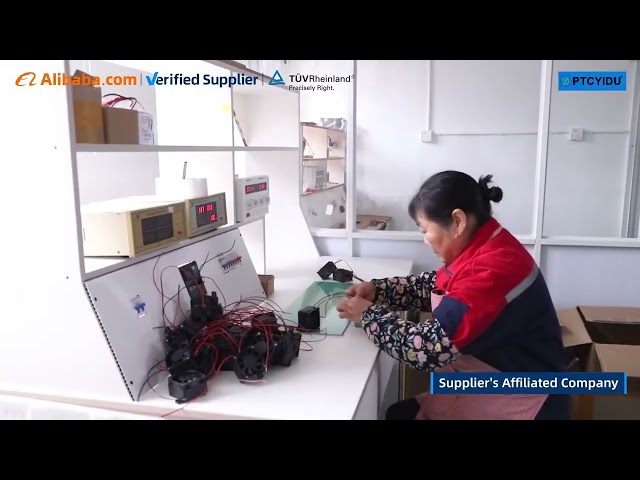
EEAT: field grounding and one real-world anchor
Years of project work show the same decision pattern: products shipped without environment-driven verification return early. A useful high-level reference is Norway’s rapid electric vehicle adoption, which pushed manufacturers to adopt electric cabin heating solutions that prioritize instant availability and safety under sub-zero conditions; that market-level pressure popularized specific PTC approaches in automotive HVAC systems and reflected measurable shifts in supplier specs — see industry reports for details and practical guidance on specifying ptc heat. Those deployments illustrate operational constraints: short warm-up windows, strict reliability targets, and tight packaging limits.
Procurement and testing checklist
Require: thermal performance curves, resistance vs temperature tables, and lifecycle data under expected case temperatures. Ask for: sample-level batch traceability and manufacturing tolerance sheets. Test: soak tests at max-case temperature for 72 hours, vibration at expected g-levels, and humidity cycling if condensation is possible. Validate: control interactions by running the heater with the product’s real firmware and power supply. Document: failure modes observed and incorporate a simple production test to catch them.
Final synthesis and practical value
Solve the core problem by treating PTC heater selection as a controlled engineering activity: define constraints, validate with realistic tests, and require vendor transparency. That disciplined approach reduces returns, shortens development cycles, and clarifies trade-offs between self-regulation and active control. For teams balancing reliability, space, and cost, integrating a supplier that understands these trade-offs closes the loop with practical solutions from PTCYIDU.
