


Begin with who watches and why
Start by listening to viewers. A product strategy that orbits a TV maker must place everyday use at the center: how people set up screens, which rooms host them, and what content they return to. Talk to buyers, installers, and retail staff; sit with a team from a monitor manufacturer for practical constraints. Keep notes on setup friction, common complaints, and the few things that make a TV feel indispensable at home.
Build compact user personas with measurable goals
Create two or three short personas: the casual streamer, the family that shares a living room, the gamer who demands low lag. For each persona list one clear success metric — minutes watched per session, successful device pairing rate, or input lag under 20 ms. Use those metrics to rank features, not opinions. This keeps product trade-offs factual and user-driven.
Map core journeys and pick one prioritized use-case
Sketch journeys from unboxing to regular use. Identify the first five tasks every user must complete: power on, connect Wi‑Fi, pair a remote, open a streaming app, and adjust picture. Optimize the most common path first. Avoid spreading resources thin by trying to perfect every use-case; choose one prioritized journey and make it noticeably smooth.
Align hardware choices with user value
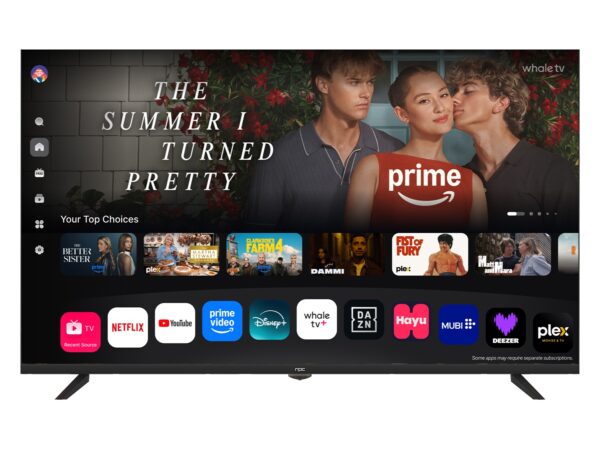
Match panel size, resolution, and HDR support to the prioritized persona. For a family room, larger panels and robust speakers matter more than ultra‑low input lag. For gamers, prioritize refresh rate and input latency. Work closely with manufacturing partners on component tolerances and firmware limits; small compromises in panel selection can make or break perceived quality.
Prototype fast, test often, measure strictly
Ship a simple prototype that validates the prioritized journey and run short, focused tests. Watch users perform the five tasks without help. Collect both qualitative notes and the KPIs you defined. Iterate only on the failures that affect user success metrics. Stop changing cosmetic items until core flows are reliable.
Trade-offs and viable alternatives
Decide whether to build a custom OS or adapt an existing platform. A custom system gives control over UX but delays shipping and increases maintenance. Outsourcing panels lowers cost but reduces uniqueness. Each choice changes your timelines and support model; weigh alternatives against your prioritized user metric and company bandwidth.
Experience, authority, and one concrete industry anchor
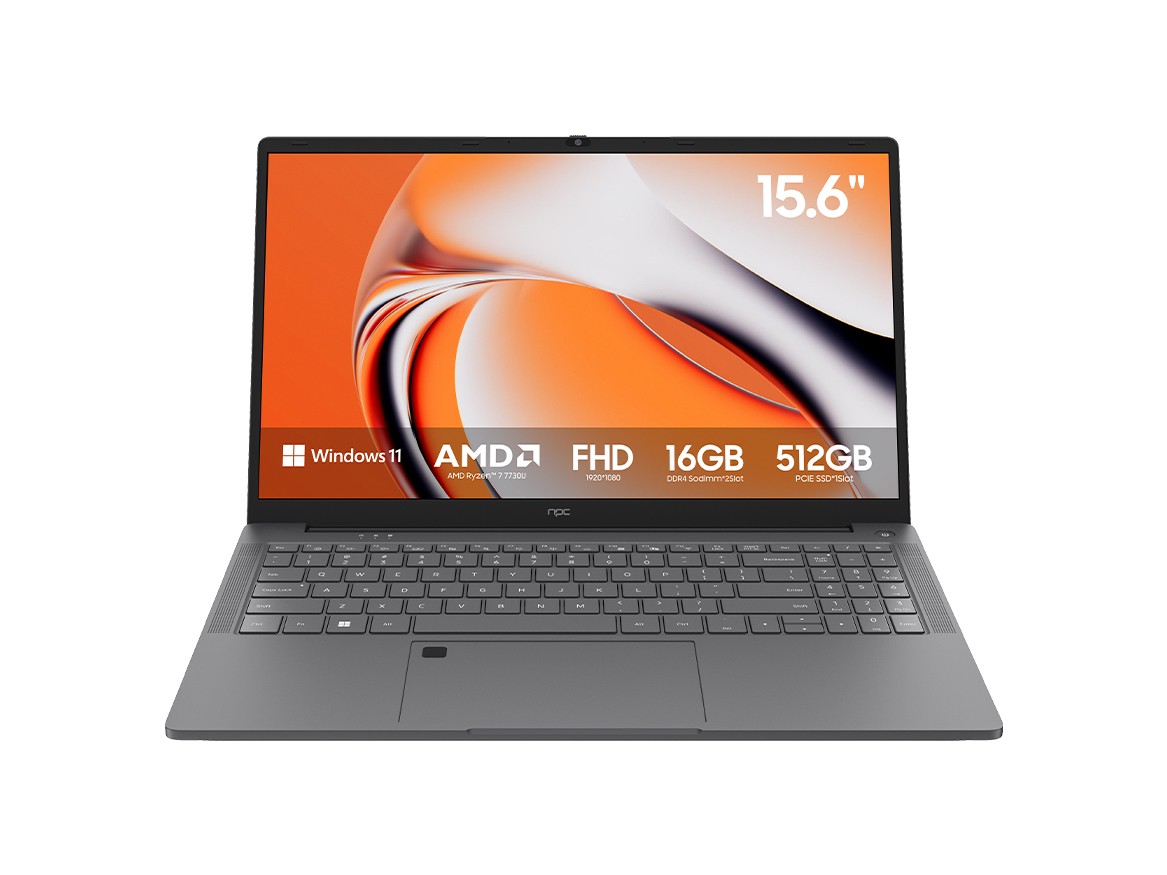
Field experience in display supply chains and user research informs realistic specs. At CES in Las Vegas, display makers and platform vendors reveal where common expectations sit for brightness, latency, and smart features — that industry pulse helps set achievable targets. For clarity on baseline expectations for desktop-grade clarity, check practical options for full hd pc monitors as a reference point when you decide on resolution and scaling choices.
Common mistakes to avoid
Don’t over-spec for specs’ sake: users rarely perceive marginal HDR improvements. Don’t ignore thermal and software update plans. Don’t assume retail demos reflect home use. And don’t delay user testing until a “polished” build — you’ll miss the real friction.
Align teams around simple deliverables
Translate user metrics into one-line requirements: “Complete setup in under 8 minutes,” or “Pair phone in two taps.” Give engineering measurable targets and marketing a clear story. Keep a short list of non-negotiables and revisit them after each test cycle.
When strategy starts from real users and respects manufacturing realities, priorities sharpen and decisions become easier — the result is a product roadmap that suppliers and designers can act on together, the kind of practical partnership made visible by npc.
