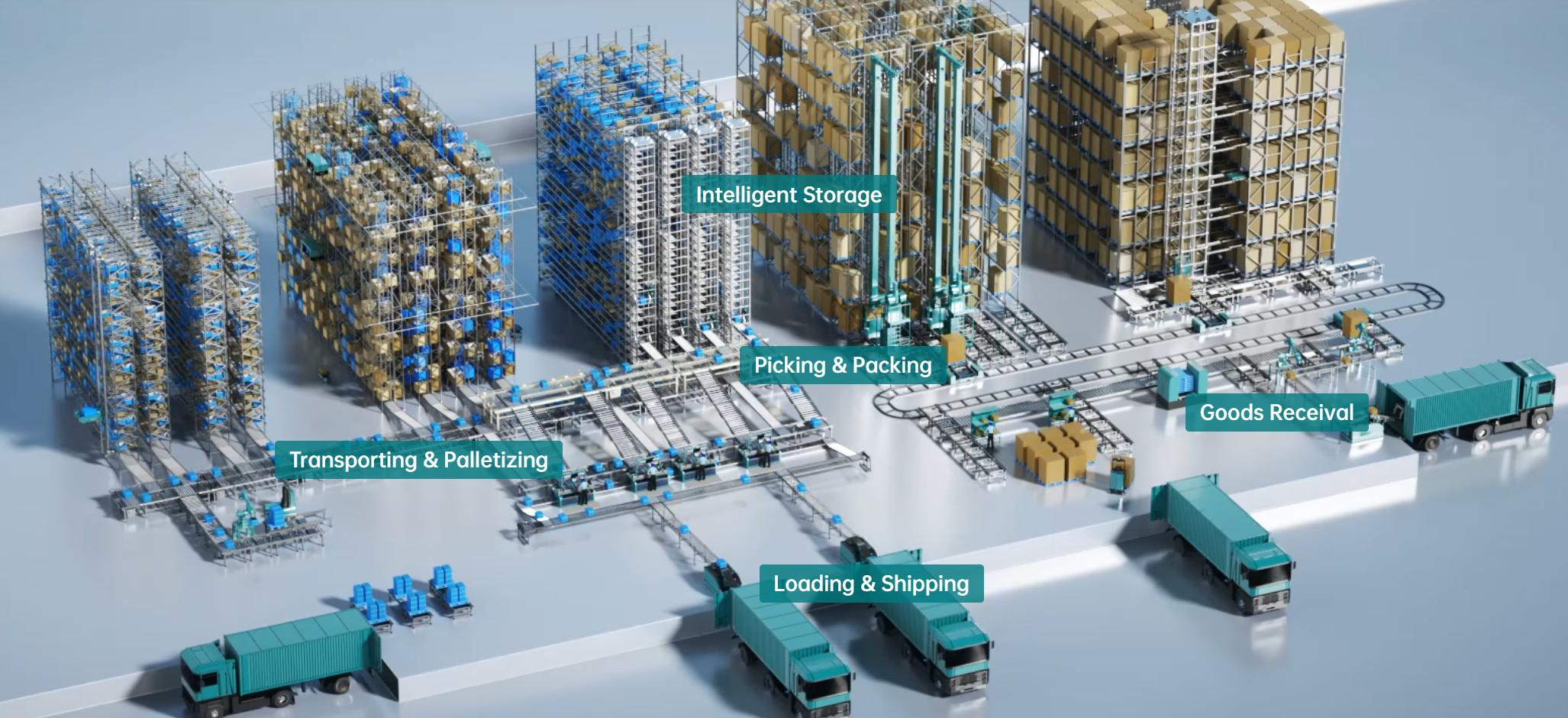
A small, smart start for big work
Think of choosing pallet handling solutions like choosing toys that help grown-ups work: they must fit the job, the floor, and the people. Start with a simple map of needs—how many pallets move each hour, how tall the racking gets, and whether a forklift, pallet jack, or conveyor will be used most. If you want help drawing that map, a warehouse logistics solution company can come in and make sense of the busy floor. Past shocks like the 2020 pandemic showed warehouses had sudden spikes in volume and labor gaps, so plan for flexible gear and quick swaps.
Focus on people first
Users matter most. Pick tools that the team can use safely and happily. Measure pick rates and hand truck ergonomics. Think about training time, not just sticker price. A system that uses simple controls and clear feedback keeps errors low and morale high. For tricky layouts or mixed loads, look into custom solutions for logistics so the solution fits your warehouse, not the other way around. Keep inventory turnover, throughput, and aisle width in mind while you sketch choices.
Match tool to task — clear swaps, clear wins
Line up the tasks and match them to equipment. Use this quick checklist to pair tools and outcomes:
– Short moves, small loads: manual pallet jack — low cost, easy to steer. – Heavy loads and fast lanes: forklift — strong lift capacity and speed. – Long pick lines or small items: conveyor and pick modules — smooth flow. – Dense storage, high accuracy: AS/RS (automated storage and retrieval) — compact and precise. – Tall stacks: racking configurations matter — choose beam strength and access type.
Don’t buy automation because it sounds cool. Buy it when it clearly raises throughput or cuts errors. Also check floor flatness and door clearances first — those small things break big plans. — Sometimes a small change, like a reinforced dock plate, prevents repeated downtime.
Common mistakes from real warehouses
Teams often over-specify capacity and under-specify usage. Buying the biggest forklift wastes money if throughput stays low. Another error is ignoring maintenance access: if a conveyor motor is buried under a guard, repairs slow down shipping. Likewise, mismatching pallet sizes to slots in racking creates handling jams. Learn from sites that tightened operations after 2020 disruptions: they reduced SKU complexity and standardized pallets to simplify handling.
How to test before you commit
Run a short pilot with clear metrics. Track these during the pilot: cycle time per pallet, pick error rate, equipment uptime, and training hours per operator. Use real load profiles and peak-shift conditions rather than average days. Keep changes incremental so you can trace results. If you automate, validate integration with your warehouse management system and check throughput under stress.
Three golden rules to pick right
1) Measure first: baseline throughput and error rates so improvements are measurable. 2) Match scale to rhythm: align equipment choice (pallet jack, forklift, conveyor) to hourly throughput and peak loads. 3) Design for people and serviceability: simple interfaces, accessible components, and quick training save time and money. These metrics are your go/no-go checklist when comparing vendors.
Wrap-up: choices that help the team, not just the ledger
Good pallet handling solutions make work easier and shipping steadier. When you balance human needs, equipment fit, and clear metrics, the right choice becomes obvious. For custom layouts or mixed workloads, experts can translate floor realities into durable plans — and that practical value is exactly what BlueSword brings to the floor. —