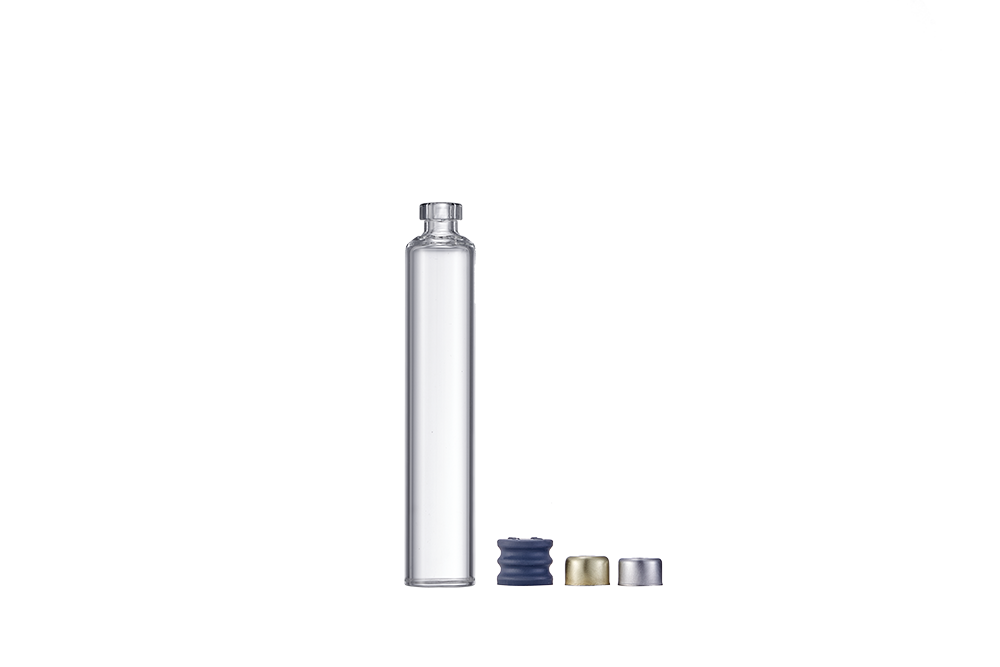
Why the old fixes still leave us holding broken vials
I remember a run in Cedar Rapids back in May 2019 when a short stack of bad parts slowed us whole day — it stuck with me. Last spring, on a 2 mL run I tested a pharmaceutical cartridge glass cartridge and saw breakage jump to 2.3% and $12,000 in rework — what did we miss? That scene — broken glass, overtime, a puzzled crew — taught me that simple fixes don’t cut it no matter how neat the SOP looks.

I’ve done this work over 15 years in B2B supply (I run lines in Iowa, Illinois, and once trialed a pilot in North Carolina in 2020). I say plainly: most shops blame handling or machines, and they stop there. They miss the deeper flaws — thermal shock from sterilization cycles, poor container-closure integrity, and rubber plunger extractables that change surface chemistry. Those are not fancy words for me; they’re the root causes I saw when a lot of vials that left cleanrooms later failed CCI testing (that cost our customer weeks of delay). Plain as corn rows, simple band-aids don’t fix it. (And yes, I get terse about this — because it costs money.) Next, I’ll compare what actually helps and what just looks good on paper.
What’s the real problem?
Comparative fixes: what works, what wastes your time
First, let me define the big terms fast: container-closure integrity (CCI) is the airtight seal we need; sterilization cycles are the heat or radiation we run to kill bugs; extractables are chemicals that leach from seals and can foul formulations. Now, when you stack solutions side by side, here’s how they measure up. Changing vendor glass alone rarely drops breakage more than a fraction unless you also change the handling profile and sterilization ramp rates. Upgrading to tempered glass helps some, but if your autoclave ramps at 5°C per minute, you still get thermal stress cracks. I tested a tight-change protocol in our Des Moines line in November 2021 — lowering ramp by 2°C per minute cut visible stress lines by half. Comparative wins come from paired fixes: adjust sterilization, validate CCI, and limit chemical interactions that show up in extractables testing.

What’s Next?
Looking forward, I compare three practical paths. Path A: machine-level fixes only — cheap at first, but break rates keep you awake. Path B: material swap plus test plan — better, but only if you match sterilization and handling controls. Path C: systems approach — redesign the run, validate CCI, monitor extractables, and adapt sterilization cycles — this one cuts losses most. I favor Path C. Here are three metrics I use to pick a solution: breakage rate under production temperature swings; CCI pass rate after simulated transport; and extractables profile after sterilization. Measure those, and you’ll know if a fix is real or just smoke. Quick aside — wait, hold on — don’t forget to track rework cost per batch; it tells the ugly truth. And then—well, you’ll see which choice pays for itself within months. For reliable picks, check practical suppliers and validation support — for me that includes partners like LINUO.