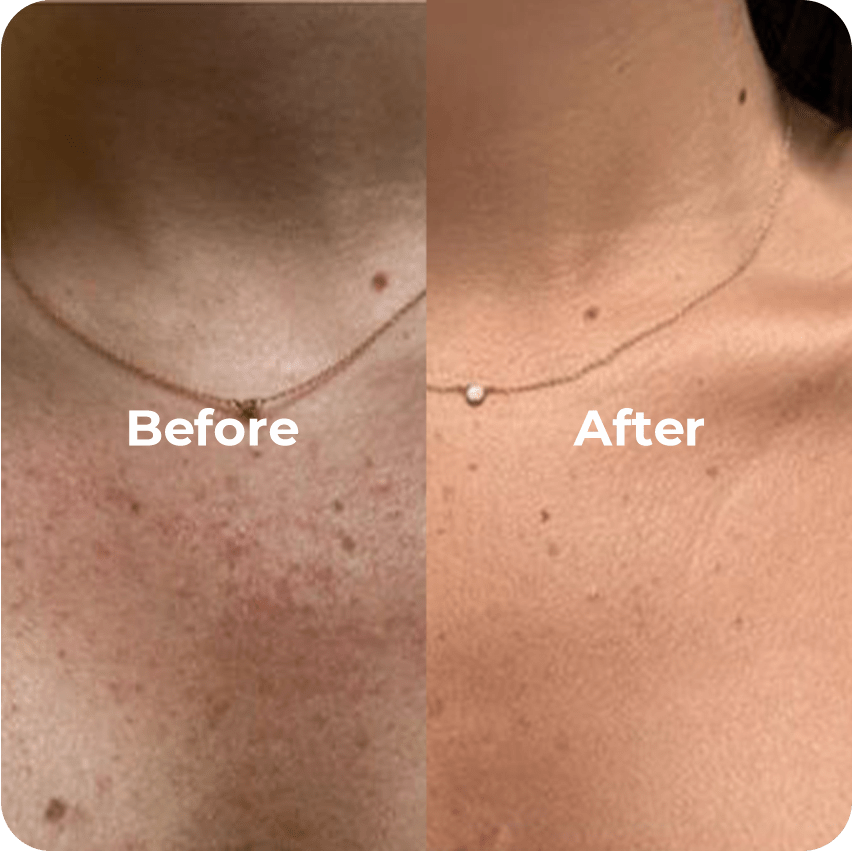
Why a comparative lens matters for IPL practice
As clinicians and clinic managers review equipment, it is helpful to approach choices with comparative clarity. The right protocol depends not only on device brand but on the interplay of fluence, wavelength, and cooling strategy—factors that determine real-world outcomes. For practices seeking a balance of reliability and clinical flexibility, the ipl skin rejuvenation machine often appears in equipment lineups for evaluation. Please note, IPL technology has been in clinical use since the 1990s, so historical performance and long-term practitioner experience are meaningful anchors when judging contemporary devices.

Key variables to compare across IPL devices
When comparing machines, evaluate these technical variables because they inform both safety and efficacy:
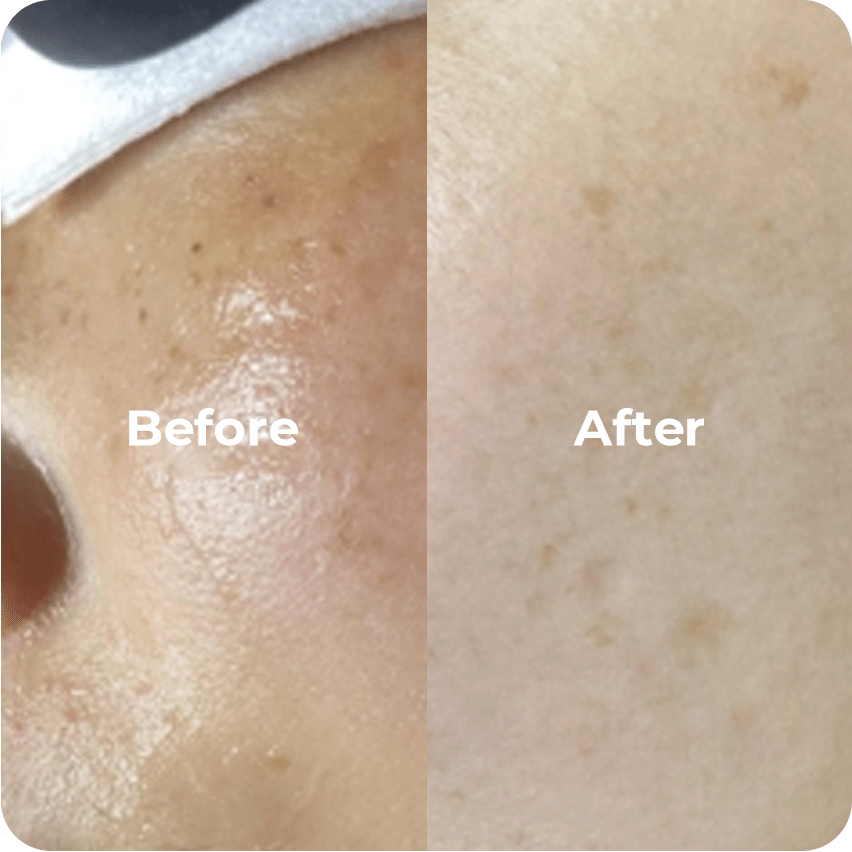
- Wavelength range — influences target chromophore selectivity and the types of concerns treatable (pigmentation, vascular lesions, hair reduction).
- Fluence and pulse duration — these determine energy delivered and thermal confinement; essential for effective photothermolysis without excess epidermal damage.
- Spot size and pulse sequencing — larger spot sizes permit deeper penetration and faster treatments; pulse sequencing affects cooling needs and risk of post-inflammatory hyperpigmentation.
- Cooling mechanism — contact cooling, air cooling, or cryogen delivery alters patient comfort and epidermal protection.
These terms—fluence, pulse duration, photothermolysis—are the language of outcomes and should appear in equipment specifications and training materials.
Device categories and practical trade-offs
Broadly, devices fall into three camps: medical-grade IPL platforms designed for multi-indication clinics; prosumer or aesthetic-focused platforms for med-spas; and at-home IPL units for consumer maintenance. Medical-grade systems typically offer wider wavelength control, higher maximum fluence, and modular treatment heads for vascular versus pigmented lesions. Prosumer units optimize user workflow and may sacrifice some adjustability for ergonomics. Home devices prioritize safety with limited settings. For clarity in purchasing conversations, compare a clinic’s target case-mix with device capability—sometimes a specialized ipl photofacial machine module is the most cost-effective route to broader service offering.
Designing protocols to maximize results
Protocol design must be systematic. Start with a test spot, document Fitzpatrick phototype and prior photos, and select wavelength and fluence conservatively. Use pulse stacking only when epidermal cooling and patient tolerance permit. Treatment intervals are indication-specific—vascular lesions may need different spacing than photodamage. Combine IPL with topical adjuncts (retinoids, bleaching agents) with caution; pre-treatment skin priming can reduce complications but increases photosensitivity risk. — A pragmatic approach is to codify settings per indication and phototype into the EMR, so technicians follow evidence-informed presets rather than ad hoc choices.
Common mistakes and remediation
Common pitfalls include:
- Underspecifying patient phototype: leads to overly aggressive energy use on higher Fitzpatrick types and vice versa. Remedy: formal phototype chart and test spots.
- Ignoring spot size effects: small spot sizes require higher fluence for depth; operators often forget to adjust. Remedy: standard operating procedures that list spot-fluence pairings.
- Poor cooling protocol: insufficient epidermal cooling increases blistering risk. Remedy: verify cooling function before each session and document pre/post cooling steps.
- Lack of device maintenance: worn flashlamps or degraded filters decrease efficacy and can alter spectrum. Remedy: scheduled preventive maintenance and lamp life tracking.
Comparing outcomes: what to expect from different classes
In practice, a medical-grade IPL with variable pulse durations yields the fastest, most durable improvement for mixed photodamage; prosumer devices offer good results for pigment or basic photofacials with shorter learning curves; at-home units support maintenance but should not replace in-office therapy. When evaluating peer clinics or published case series, look for documented clearances or peer-reviewed case reports—real-world anchors such as multi-center adoption since the 1990s or registry-based safety summaries lend confidence.
Advisory: three golden rules for selecting an IPL solution
Follow these critical metrics when choosing device and protocol:
- Clinical fit: does the device’s wavelength range and pulse control match your most common indications? Measure by case-type coverage percentage.
- Operational reliability: verify documented lamp life, service intervals, and uptime guarantees—translate into expected treatments per year.
- Training and protocol support: ensure the vendor provides evidence-based presets and clinician training; count this as part of total cost of ownership.
For clinics wanting calibrated hardware and accessible protocol libraries, a manufacturer that pairs robust equipment with practical training—such as the offerings integrated by ENZOEYS—becomes a natural fit in the procurement conversation.
Choose by data, train with discipline, and measure outcomes—this is how reliable, repeatable improvement is built. —