


Introduction — a quick provocation
Ever noticed how a small change in a motor controller can ripple through an entire plant’s output? I ask because we often underplay the role of control systems when talking about Electrical Motor Products.
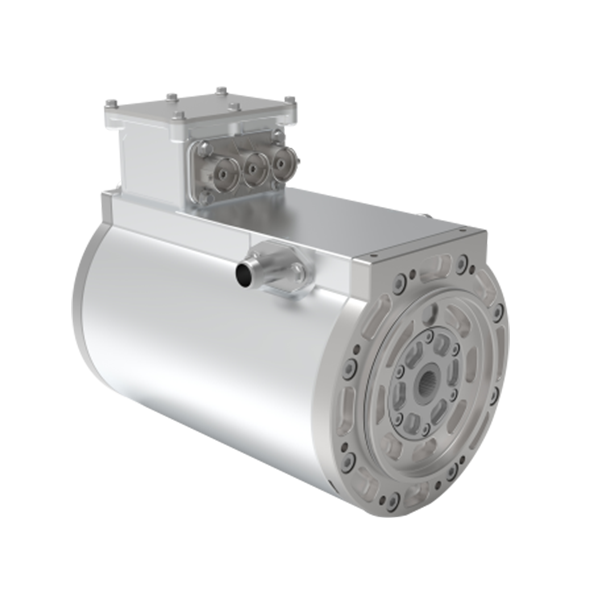
Across many factories, motors are responsible for a large share of energy use — sometimes nearly half of electrical consumption in drive-heavy facilities. Given that, how do we choose parts that save energy without sacrificing uptime or control? (I’ve sat beside engineers making that tough call.)
Here I’ll compare real choices, point out what I’ve seen work, and ask the sharper questions you should be asking. Let’s move from the broad picture into the practical trade-offs professionals actually face.
Why common fixes miss the point
ac motor and controller systems are sold as drop-in efficiency gains, but the reality is messier. Many teams replace a drive or tweak a setpoint and expect dramatic energy cuts. Instead, what often happens is marginal gain and new tuning headaches. I’ve watched skilled operators spend weeks re-tuning PID loops after an “upgrade.”
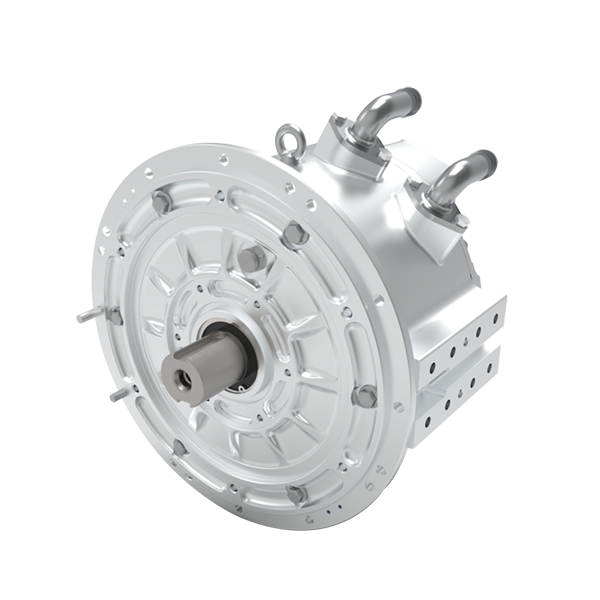
What’s really failing?
The deeper problems are not hardware alone. Legacy wiring, poor feedback (encoder or resolver issues), mismatched torque curves and inadequate inverter tuning often limit real gains. Industry terms matter here: PWM switching, torque ripple, and thermal derating all play into why a new controller does not equal new performance. Look, it’s simpler than you think — you must align drive capability with mechanical load profile, not just swap ratings on paper.
Two concrete pain points I see repeatedly: load profiling is skipped (so controllers run blind), and serviceability is overlooked (so small faults become downtime). When teams ignore feedback latency or rely solely on open-loop control, the system loses resilience. I prefer direct measurement: capture real load cycles, then tune the controller for those cycles. That’s the technical route to consistent improvement, not a blind hardware swap.
Forward view: principles and practical metrics
What’s Next?
We now look ahead. I favour a principles-first approach when evaluating new electric motor solutions — measure before you change, match control strategy to the task, and keep service paths clear. When you layer in modern options (sensorless control, adaptive tuning, edge telematics), the potential is real — but not automatic. You need clear metrics and disciplined checks.
For example, combining a higher-efficiency motor with a smarter drive can cut consumption, but only if you address thermal limits and switching losses in the inverter. Also consider system-level items such as harmonic distortion and regenerative braking—these are not buzzwords; they affect longevity and power quality. — funny how that works, right? I’ve seen installations where power converters and motor bearings were the true bottlenecks, not the controller itself.
To close, here are three evaluation metrics I use when choosing or approving solutions: 1) Measured duty-cycle energy use (kWh per production unit), 2) Control-loop response and stability under real load swings, and 3) Serviceability score — how quickly can a field tech diagnose and restore operation. If you judge proposals against those, you’ll avoid many costly missteps. For practical choices and components that align with these checks, I recommend reviewing product lines from electric motor solutions suppliers and comparing actual on-site data. Santroll
