


Introduction — a quick yarn, some cold numbers, and a proper question
I was in a mate’s cramped bench one Tuesday, watching a batch of boards go under the iron — and the place smelled like burnt toast and old pennies. In the world of fume extraction for electronics and industrial applications, that sort of thing happens more than you’d think: studies show workplace exposure to soldering fumes and VOCs can push particle counts well above safe limits (sometimes two to five times higher in poorly ventilated booths). So, how do you pick the right extraction setup without burning cash or your crew’s lungs?
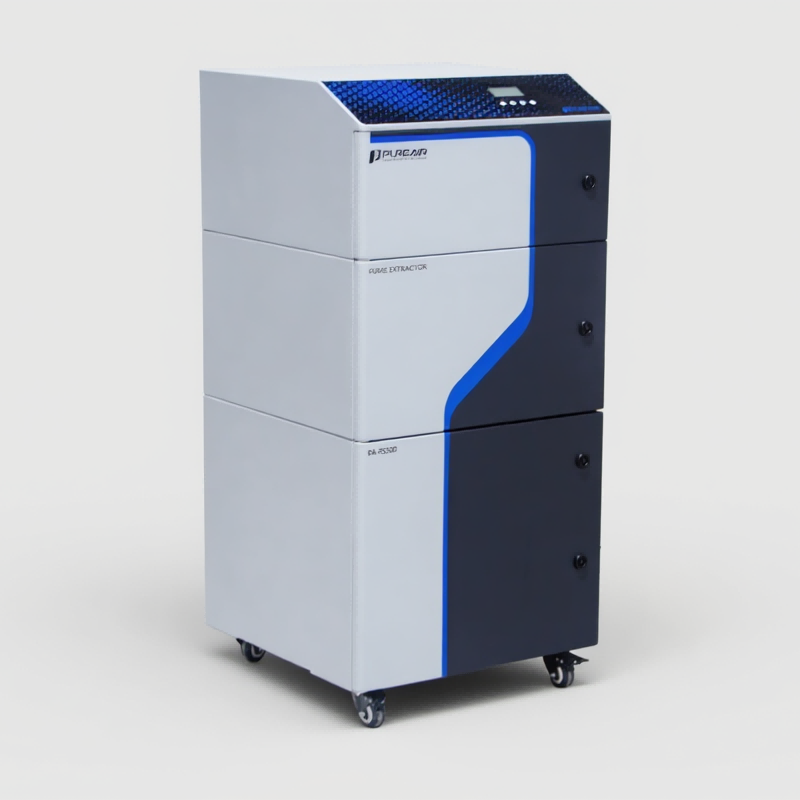
I’m telling you this as someone who’s stood at the bench and repaired a bad install — and I’ve seen shops buy kit that looks the biz but fails on the shop floor. The choice isn’t just about filters or a loud fan. You’ve got to weigh capture efficiency, ongoing maintenance, and layout impact — apples and pears, right? — and that’s before you consider costs tied to downtime and compliance. Let’s walk through why the usual fixes trip people up, and what I’d watch closely next.
Stick with me; I’ll flag the real weak spots and show where a bit of planning saves time and money. Next up: why conventional solutions often don’t cut it.
Traditional Solution Flaws: Where the fixes fall short
When I look at projects in electronic product design and manufacturing, the same problems pop up. Folks rush to buy a basic fan or a cheap bench extractor. At first glance it seems fine. Then you see uneven capture at the soldering iron, clogged pre-filters, or a system that can’t handle VOC spikes from power converters during rework. Those are real technical failures, not just annoyances.
Why do these systems fail?
Most failures come from three predictable causes. First: mismatch — the capture hood or arm is the wrong size, so soldering fumes escape. Second: filter under-specification — they pick HEPA for particles but miss VOC adsorption, so smells and gases persist. Third: poor installation — ducts and air paths are wrong, so the system fights itself and becomes noisy or inefficient. Look, it’s simpler than you think: fit the capture to the task, pick the right media, and plan the airflow path. I’ve walked sites where a tiny tweak to hood placement cut airborne particles by half. That felt good — and saved them service calls.
Hidden user pain points in the shop — technical take
Digging deeper, users suffer from downtime, unclear maintenance schedules, and surprise consumable costs. In my experience, shops underestimate how often pre-filters and activated carbon need swapping, or how duct leaks reduce capture velocity. That creates creeping exposure risks — soldering fumes linger, and chronic low-level VOC exposure becomes the norm. I’ve seen quality control flag assemblies because flux residues weren’t cleared, and that traces back to weak extraction. You end up chasing defects instead of fixing the root cause.
Also, many teams don’t realise the ergonomic hit. If a fume arm is awkward, operators nudge it out of place. The extraction loses its job. Training helps, but ergonomics and robustness matter more. Use the right hood profile, and you keep operators happy and extraction effective. Trust me — invest a little more in the capture interface, and it pays back in fewer mistakes and fewer sore backs.
New technology principles and a look ahead
Now, let’s pivot to where things are headed. In future-ready shops I visit, the focus moves from brute airflow to smarter, layered capture. That means combining local exhaust ventilation with targeted adsorbents and real-time sensors. For instance, small inline sensors that monitor particulate and VOC levels can trigger variable-speed drives so fans only ramp up when needed. That cuts energy use and extends filter life — a tidy win for both costs and compliance.
What’s next?
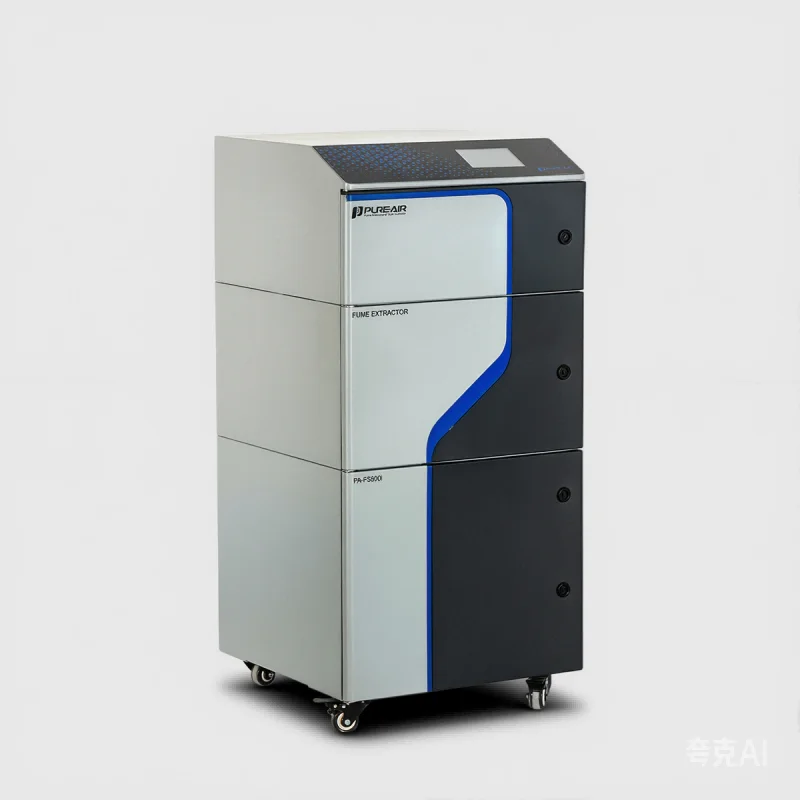
I want to be blunt: the best systems aren’t one-trick ponies. They mix capture hoods, HEPA stages for particulates, carbon or chemisorption stages for gases, and controls that log performance. Integrating these into your workflow is part tech choice, part shop-floor design — and part habit change. In electronic product design and manufacturing, that mix solves more problems than a single oversized fan ever will. — funny how that works, right?
Here are three metrics I’d use to evaluate any extraction solution: capture efficiency at the work zone (measure, don’t guess), total cost of ownership including filter and maintenance spend, and ease-of-use for operators (if it’s fiddly, it won’t be used). Those three give you a quick, practical scorecard. I’ve applied this checklist on jobs and it narrowed choices fast. In short: think layered capture, sensible sensors, and human-friendly design. If you want a reliable partner to explore options, I’d point you to solutions from PURE-AIR. They’re not magic, but they do a solid job when you match the system to the work.
