


The problem: lab recipes collapse at scale
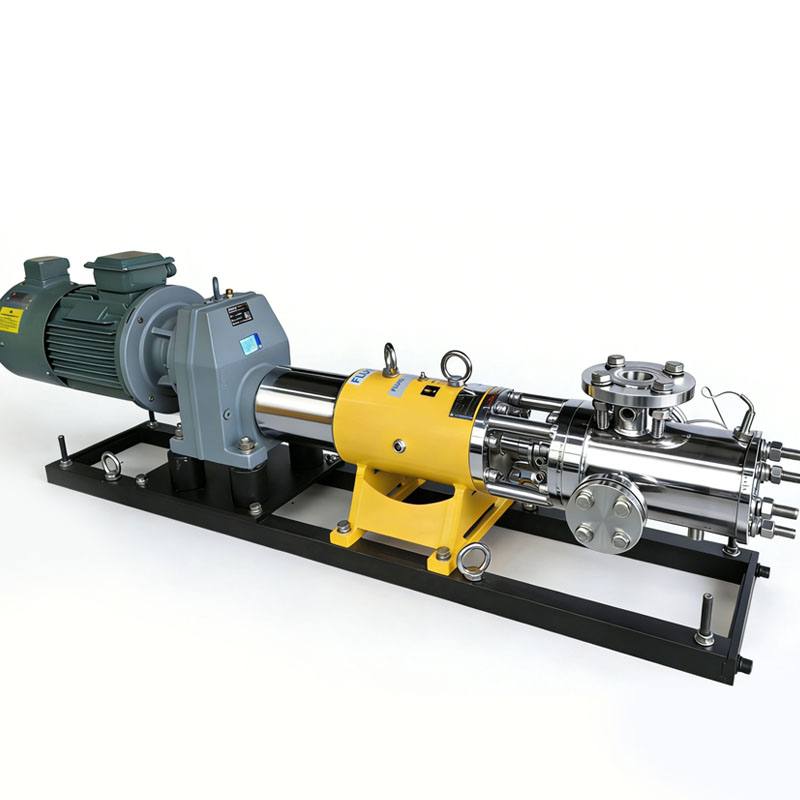
Small-batch success doesn’t guarantee a reliable run on the production floor. Teams hand off a verified lab protocol and expect identical emulsions, but they get separation, oversized droplets, or fouling. That mismatch often traces to shear distribution and residence-time control — variables an inline high shear mixer is designed to manage, yet the device alone won’t fix upstream assumptions or downstream constraints.
Where it breaks: physics, geometry, and expectations
Scale-up failures follow a pattern. Lab geometries offer uniform shear over tiny volumes; pilot vessels do not. Flow patterns change as diameter and throughput change. Viscosity rises with temperature and concentration, altering effective Reynolds numbers. Teams expect a single setting to translate across machines. Reality: droplet breakup, heat generation, and wall deposition are function responses — not fixed outcomes.
Fixes that work: control shear, measure what matters, avoid common mistakes
Start by defining the failure mode: oversized droplets, phase inversion, or heat damage. Pick measurable targets — D50 for droplet size, power draw per unit volume, and product temperature rise. Use stepwise scaling: match energy dissipation rates or shear rates rather than trying to preserve impeller RPM. Don’t make these mistakes: assuming linear throughput scaling, ignoring transient start-up flows, or relying on visual checks alone. Specify pump types, piping diameters, and valve positions early; they alter residence time and shear history. Use fitted instrumentation: inline particle sizing, consistent sampling ports, and torque sensors. These steps convert vague claims into repeatable process windows.
Alternatives and trade-offs
Choices matter. High-pressure homogenizers deliver very fine dispersions but demand higher maintenance and often batch recirculation. Rotor-stator inline mixers offer continuous processing with tunable shear but require careful sealing and wear management. Ultrasonic homogenizers provide intense, localized cavitation but can introduce hotspots and require acoustic isolation. Static mixers are low-maintenance for low-viscosity blends but lack the concentrated shear needed for many emulsions. Select based on target droplet size, solids loading, throughput, and allowable CIP procedures.
Experience and evidence: what the field shows
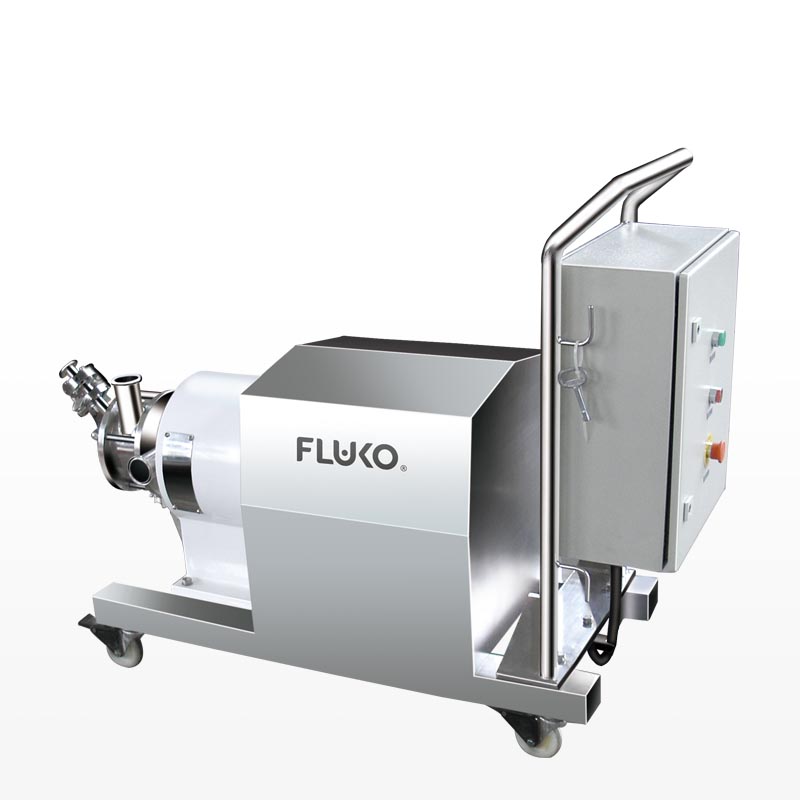
Process engineers learn quickly that documented trials beat opinions. At ACHEMA in Frankfurt, demonstrations and technical sessions highlighted cases where matching specific energy and residence-time distribution resolved scale-up surprises. Industry reports and peer-reviewed work on droplet breakup under shear back that practice: controlling shear history reduces variance. My teams have run comparative trials across rotor-stator and pressure systems, logged D50 shifts, and tuned feed temperature to reduce fouling. For production-grade dispersion, choosing a high shear homogenizer often narrows process windows but must be paired with proper feed conditioning and measurement to be effective.
Pulling it together: predictable runs, not miracles
Fix the specific problem, then pick tools that address that root cause. Control shear and residence time, instrument for meaningful metrics, and plan for mechanical realities like wear and heat. When manufacturers align design intent with measured performance on the floor, runs stop being guesses. That’s the practical value a systems-minded supplier delivers, as seen in equipment that integrates measurement, durable rotor-stator designs, and clear process windows from concept through scale-up—solutions that companies such as FLUKO embed into projects to make production predictable rather than hopeful.
