Why a trusted partner matters
Selecting a reliable cpap device is a decision that blends clinical needs, user comfort, and ongoing support. Start by treating your vendor as a teammate: they should understand mask seal issues, humidifier options, and auto-titration basics. In the first interaction expect clear policies on returns, warranty, and data privacy so the device integrates with care plans rather than complicates them.
The four-step selection framework (step-by-step clarity)
Follow these steps when evaluating suppliers and models to keep decisions practical and measurable.
Step 1 — Define clinical and lifestyle constraints. List required pressure ranges, portability needs, and whether travel mode or battery backup is essential.
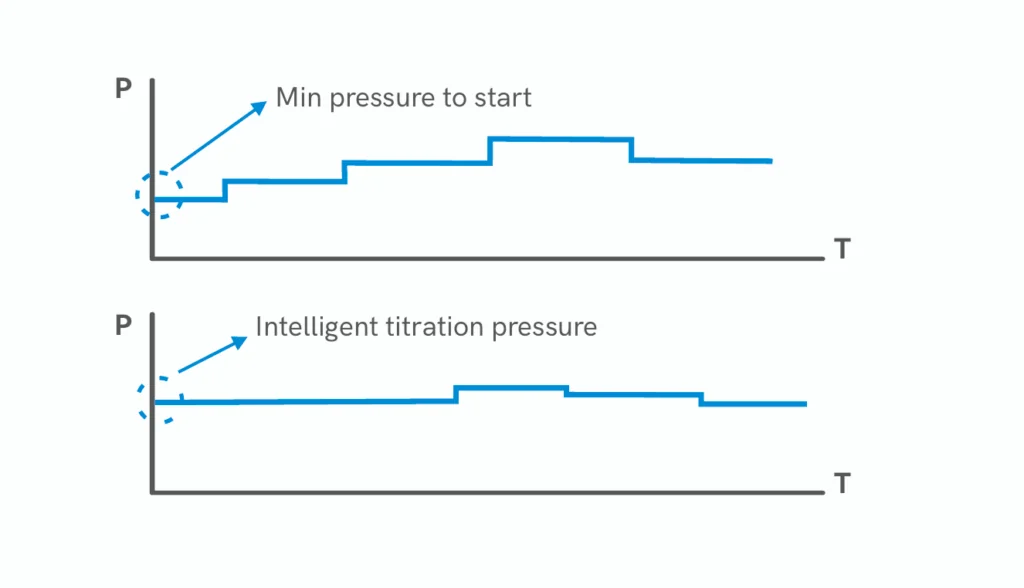
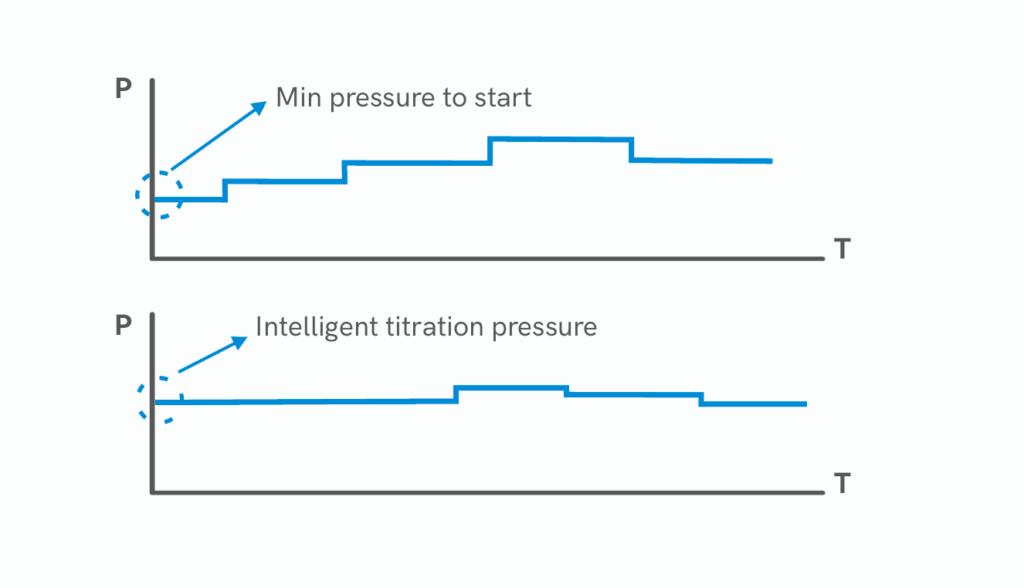
Step 2 — Validate device performance. Request documented pressure curves, noise levels, and compatibility with masks and humidifiers. Look for evidence of consistent auto-titration behavior across nights.
Step 3 — Check service and data pathways. Confirm firmware update cadence, remote monitoring options, and how the vendor handles encrypted therapy data.
Step 4 — Pilot and measure. Run a small pilot with two or three users for at least 7–14 nights, tracking apnea-hypopnea index (AHI), patient comfort scores, and adherence. Use those results to choose a partner who supports iterative improvements rather than a one-time sale.
Operational checks, common mistakes, and alternatives
Operational readiness reduces surprises. Inspect masks for consistent sizing, verify the pressure ramp behaves as specified, and ensure the humidifier is easy to clean. Avoid these common mistakes: buying solely on price, skipping a hands-on mask fit session, or assuming remote monitoring is included with every model—those services often carry extra fees. Try a compact apap machine as an alternative if your team prefers device-driven pressure adjustments; it can cut setup time and reduce sleep lab dependence.
Integration checklist for teams and clinics
Use this concise checklist during procurement to align clinical staff, IT, and procurement:
– Clinical validation: documented AHI reduction and patient-reported outcomes.
– Technical fit: APIs or exportable reports for EMR integration, plus clear firmware update procedures.

– Support model: Guaranteed turnaround times for repairs, local service partners, and training materials for frontline staff.
– Compliance and privacy: written data handling policies that meet regional health-data requirements.
Real-world anchor — the U.S. Centers for Disease Control and Prevention notes that sleep apnea affects millions of adults, which means scalable support and clear data practices are not optional but essential for any partner you pick.
Common pitfalls during deployment
Teams often underestimate user training and follow-up. Run scheduled check-ins at day 3, day 14, and month 1 to confirm mask fit and adherence. Document any recurring leak events and adjust mask type or cushion as needed — small fixes here prevent returns and improve outcomes.
Three golden rules for evaluation
Metric 1 — Clinical effectiveness: Prioritize verified reductions in AHI and improved adherence over feature lists.
Metric 2 — Support velocity: Measure mean repair turnaround and access to trained local technicians; slow service erodes user trust.
Metric 3 — Data transparency: Ensure exportable therapy reports and clear firmware policies so clinicians can audit performance.
These three rules focus selection on measurable outcomes and long-term reliability rather than momentary savings. —
Final guidance and how the right partner ties everything together
Choose a partner who treats deployment as a series of small, testable steps: define needs, validate performance, pilot in real-life settings, and scale with clear support metrics. That approach reduces risk and delivers better patient experiences, and it aligns directly with how Byond approaches respiratory solutions — practical, measurable, and service-driven. Byond.