


Introduction
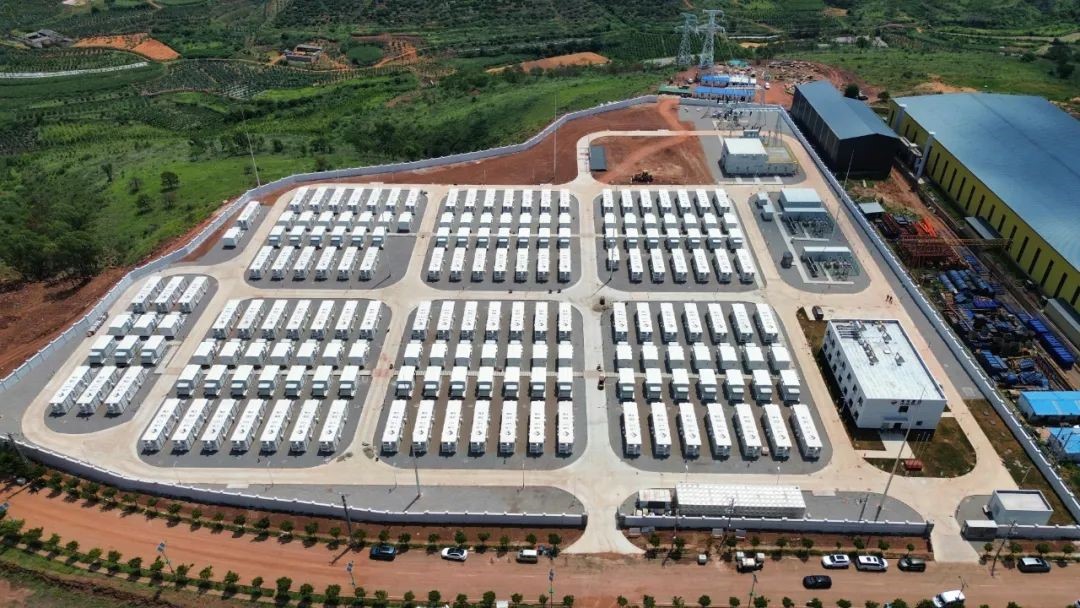
I’ve spent over 15 years building and buying battery plants for big grids, and I’ll start plain: speed and certainty win. Utility scale battery storage is now the difference between wasted megawatts and bankable revenue. In 2023, the U.S. added over 7 GW of new capacity, yet I watched curtailment spike on windy nights outside Lubbock, Texas—fields spinning, cash idling. I worked shoulder to shoulder with one utility scale energy storage company that kept a 1500 V DC block online while a neighboring site tripped three times in one week. That contrast still stings (and motivates me to be sharper). Here’s the data that pushed me: a 100 MW/400 MWh site we audited showed a 1.4% loss in round‑trip efficiency from poor airflow alone, while a tuned liquid‑cooled stack regained that entire margin within two service visits. So, what separates the winners from the rework? I refuse to pretend it’s magic—it’s design, control, and contracts. Let’s line up the choices and see which ones hold when the grid is under stress. We’ll move fast and keep it real, because timelines and penalties don’t care about excuses. On we go—no fluff, just what pays.
Comparative Fault Lines: Where Old Builds Lose Money
What did the old way miss?
When I say “old builds,” I’m talking about split-vendor stacks patched together: one PCS here, another BMS there, and an EMS that talks to neither when SCADA spikes. I remember a September 2022 punch list in Kern County, California—34.5 kV interconnect, containerized 2.5 MWh blocks, air‑cooled. On a 42°C afternoon, three inverters derated by 18% because heat soak wasn’t modeled. The power converters had an LCL filter tuned for steady state, not for rapid grid swings. So the plant hummed—then tripped—then hummed again. You feel that in the P&L the same day. I prefer designs with liquid cooling, cell‑level sensing, and EMS logic that pushes decisions to edge computing nodes. Quick thing—this isn’t showy wizardry; it’s clean controls math, short wiring runs, and a BMS that doesn’t chase noise. And yes, the difference is visible on the meter.
Hidden pain points? I’ve seen plenty. Capacity warranties that ignore augmentation curves. Spare part plans that skip contactors and fiber jumpers (the stuff that actually fails under dust). DC/AC ratios set for day one, not year six. In 2021, a 60 MW/240 MWh system near Las Cruces slipped 23 days because cybersecurity under NERC CIP wasn’t scoped in the EMS RFP—nobody owned it, everyone paid for it. One more: poor rack layout added 90 meters of DC cabling per container, which translated to heat and a 0.3% efficiency loss. Multiply that over 20 years—painful. I tell buyers to pull logs and look at frequency ride‑through, EMS latency, and thermal maps before signing. If you can’t see your system react in under 200 ms during a setpoint swing, you’re flying in fog—no thanks. I’ve sat in those containers at midnight—sweat on my neck—waiting for an alarm that never should have fired.
Forward View: Smarter Blocks, Clear Contracts, Better Yields
What’s Next
Let’s talk about what’s working now. Modern LFP packs—280 Ah and moving to 314 Ah—pair with liquid cooling loops that hold delta‑T tight across the rack. That alone steadies degradation. Add pack‑level fire detection and inerting, and you stop chasing thermal runaway rumors. On controls, I want model‑predictive EMS that prepositions state of charge based on LMP forecasts and feeder constraints. Edge computing nodes at the rack shave latency; grid‑forming inverters keep your plant online during faults, not just compliant in tests. I’ve seen a 100 MW/400 MWh site near Buttonwillow cut commissioning by three weeks by using pre‑wired 1500 V DC skids with integrated MV transformers and SiC‑based PCS. The numbers came through: +1.1% round‑trip efficiency, 18% fewer service tickets in six months, and a cleaner harmonic profile under ramp. When you work with a seasoned utility scale energy storage company, these aren’t buzzwords—they’re field fixes that stick. And yes, sometimes the best upgrade is a shorter cable run—oddly satisfying, and cheap.

Pulling threads together, we’ve seen why the patchwork builds buckle and how tighter blocks, faster controls, and honest warranties shift results. So here’s my short list when you choose a system, because decisions made in a warm office show up later at 2 a.m. in the switchyard. First, thermal headroom: hold cell temps within a 3–5°C spread at 45°C ambient, with logs to prove it. Second, control speed and resilience: EMS setpoint response under 200 ms with redundant comms paths, plus black start tested, not promised. Third, capacity over time: a written augmentation roadmap to maintain 90–95% usable capacity at year 10, including DC bus, PCS, and interconnect impacts. Keep the pricing honest, the drawings precise, and the data open. If you do, you’ll see fewer trips, cleaner revenue, and crews who go home on time—something I care about more than any slide deck. For steady hands and proven kit, I’ve seen teams at HiTHIUM meet those marks while keeping the focus where it belongs: safe, bankable operation.
