Introduction: Why Your Next Wall Lamp Choice Matters
You want a lobby, hallway, or bedroom that feels warm and refined—without waste or hassle. Wall lamp manufacturers now offer more finishes, sizes, and tech than ever, and that can blur the real choice. When you scan catalogs for a modern gold wall lamp, what you really need is light that flatters surfaces, saves power, and lasts. In many spaces, lighting can take up a big slice of energy use (often up to 20% in commercial settings). So here’s the question: are you comparing what shines on paper, or what works on the wall?
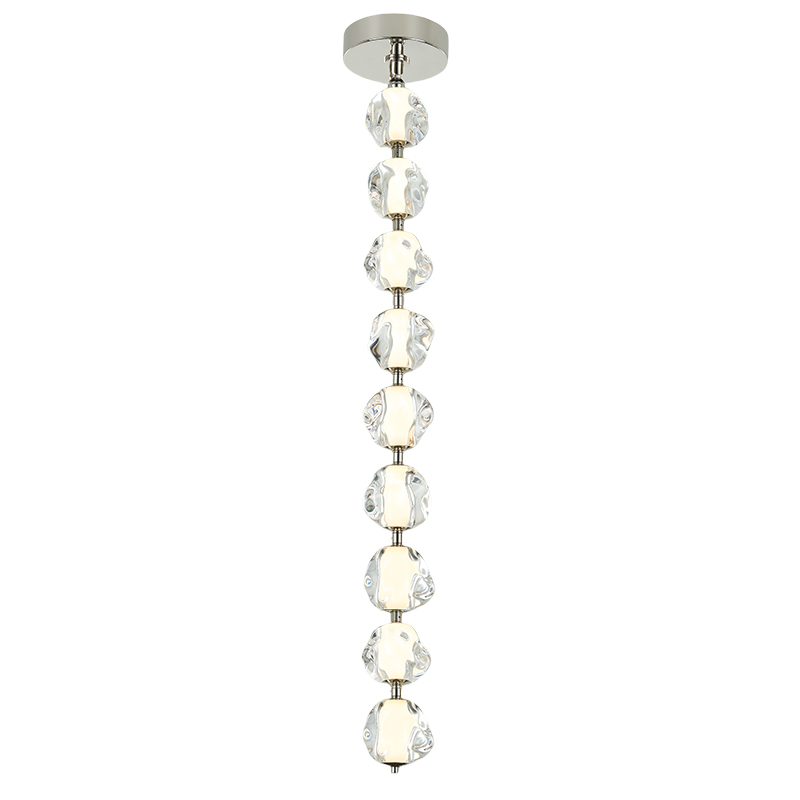
Let’s get direct. The classic approach—pick by looks, then hope the spec sheet delivers—buries hidden pain points. Low CRI makes colors go dull. Weak heat sinks shorten LED life. Cheap driver ICs flicker at low dim levels. Poor power factor steals efficiency. And mismatch with wall dimmers? That’s a nightly buzz, literally. Look, it’s simpler than you think: prioritize optical diffuser quality, luminous efficacy, and verified dimmer compatibility. (Your eyes and your electric panel will thank you.) The deeper layer is this: beautiful brass or gold is easy; stable electronics and balanced thermal control are not. Choose the build that treats both with respect—form and function—then you’ll actually enjoy the glow. Let’s break it down and compare what really changes outcomes.
From Old Habits to Better Results: What Buyers Miss and Why It Matters
Where do traditional picks fall short?
Many first-time buyers chase finish, not function. They compare shade shapes, but skip core metrics. That’s how glare sneaks in, because an optical diffuser wasn’t tested across viewing angles. That’s how PWM dimming banding shows up in videos, because the driver’s frequency is too low for cameras. And that’s why LEDs fail early—insufficient thermal path, not the “brand of chip.” A modern wall lamp lives or dies by thermal management, constant-current control, and surge protection—funny how that works, right? If you’ve ever replaced a wall light twice in three years, this is your culprit. Meanwhile, two models that look the same can differ in CRI and color consistency, leaving one room warm and the other oddly flat.
Comparative insight helps. Line up three products and ask: at the same lumen output, which has the higher efficacy? At the same CCT, which keeps a tight SDCM for color uniformity? At the same price, which uses a reputable driver and a proper heat sink assembly? When you do that, the “premium” choice often lowers total cost of ownership. The lesson: don’t compare only the shell; compare the engine. The goal is stable light, clean dimming, and safe wiring inside the wall box—without rework later. That’s the difference between a glamorous purchase and a smart one.

Forward-Looking Comparisons: How New Principles Raise the Bar
What’s Next
Now let’s look ahead, with a technical lens. Emerging drivers use hybrid dimming—blending high-frequency PWM with constant-current trimming—to cut flicker and keep color stable at low output. Better power converters improve power factor and reduce harmonics, easing load on building circuits. In connected projects, edge computing nodes coordinate occupancy sensors and time-based scenes, so a dimmable wall lamp adapts without user fuss. And optics? Multi-layer diffusers and microprism films reduce glare while holding beam shape. This means the next decision isn’t only “gold vs. brass.” It’s “stable driver vs. buzz,” “tight CRI vs. washed paint,” and “cool-running heat sink vs. early lumen drop.”
Here’s the takeaway, without repeating ourselves: prioritize the invisible architecture. Ask for dimmer compatibility lists. Check thermal test data. Confirm surge ratings. Then evaluate finish and form. You’ll get softer shadows, smoother fades, and fewer callbacks—exactly what you want in hospitality and home. And yes, the elegant finish still matters. It just shouldn’t outrun the electronics. — funny how that works, right?
How to Judge the Best Pick: Three Metrics That Keep You Honest
Use an advisory lens and measure what counts. First, performance stability: verify CRI 90+, tight color binning (low SDCM), and low-flicker dimming across common wall controls; ask about the driver IC and test results with leading- and trailing-edge dimmers. Second, electrical and thermal integrity: look for a high power factor, certified surge protection, and a real heat sink design, not cosmetic mass; confirm the constant-current driver rating matches the LED array. Third, optical comfort: check luminous efficacy, glare control via a quality diffuser, and even wall wash in real photos or mockups. If a modern gold wall lamp nails these, the rest is easy. You’ll get reliable light, lower maintenance, and a finish that stays timeless. Choose with calm confidence—your space will show it. Learn more at kinglong.