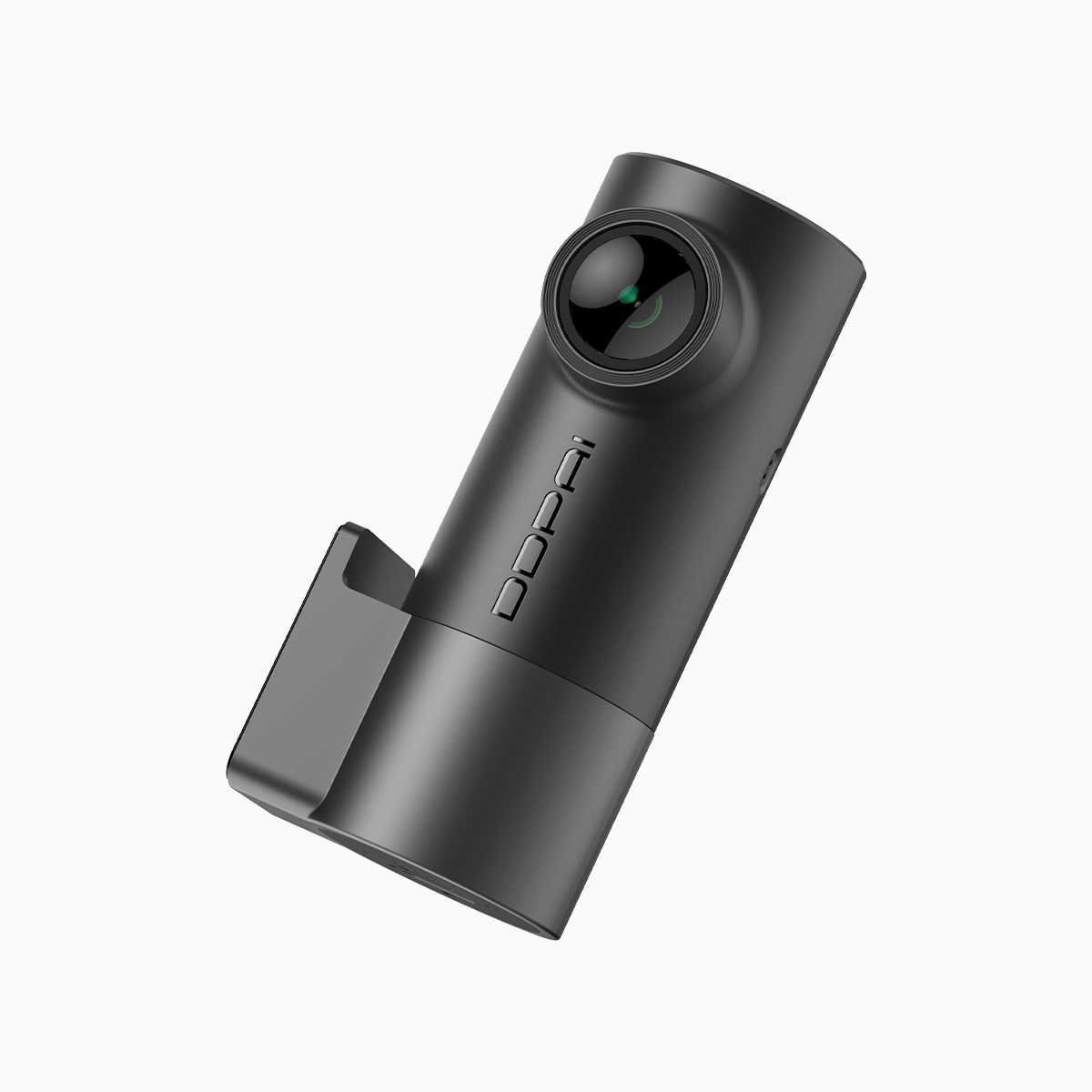
Comparative opening: what to expect from your dash cam
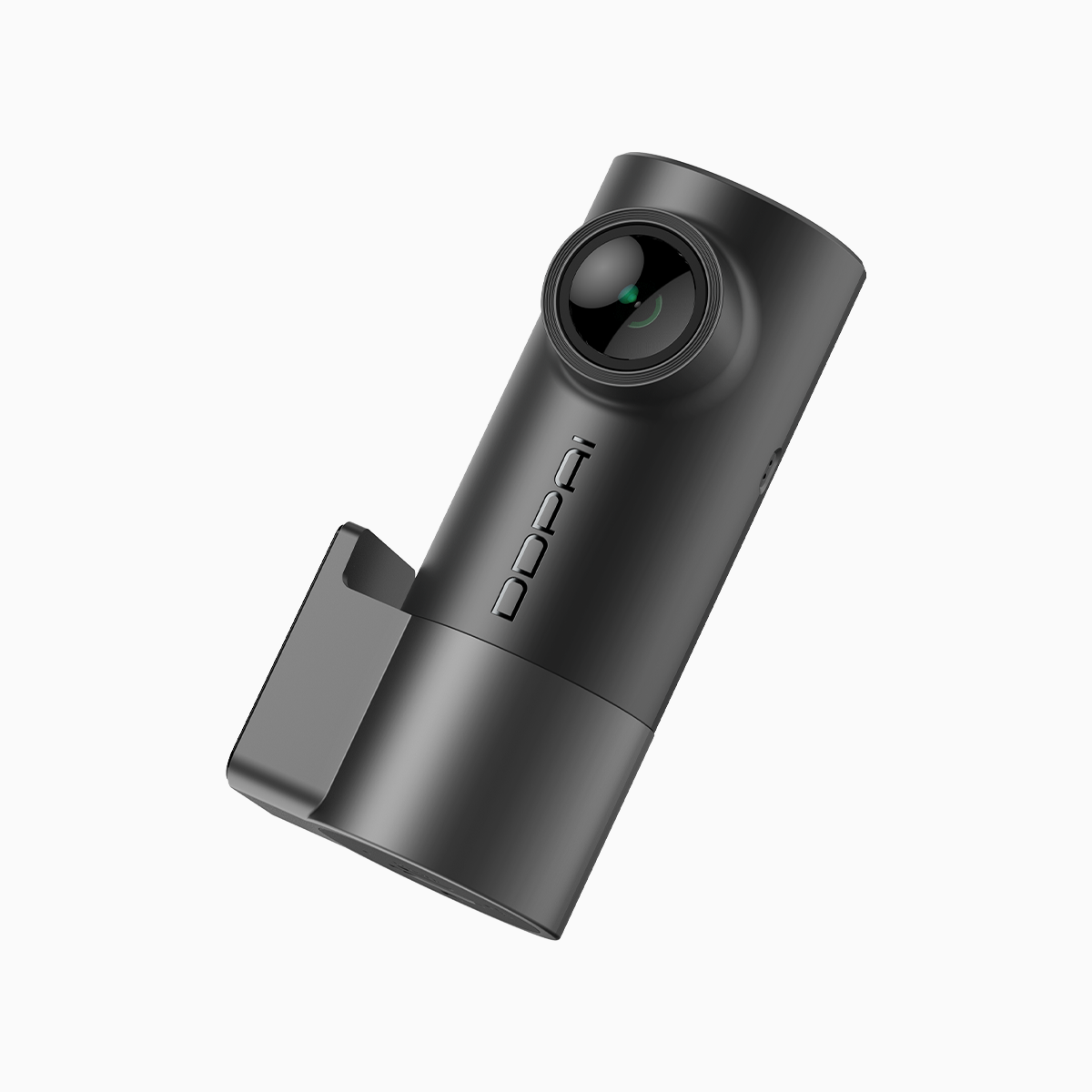
When you compare compact units side by side, the choice comes down to how well a device protects footage from SD card corruption and write-cycle failures during long drives. Start by looking at devices built for continuous recording, like a reliable mini dash cam, then compare power handling, file management, and firmware stability. This approach keeps the focus on real-world use rather than bells and whistles.
Why SD card issues break the value of a dash cam
SD card corruption and exhausted write cycles turn useful evidence into a dead file. Continuous features such as loop recording create many overwrite cycles, which increase wear on flash memory. Higher bitrate video and large file sizes accelerate write operations, and poor wear leveling on a cheap card makes corruption more likely. In Metro Manila traffic, drivers routinely record long commutes; that constant write activity makes a robust card and a tolerant dash cam essential as a practical, local reality.
Comparative insight: camera designs that reduce failures
Two design philosophies lower risk. First, hardware-focused models add thermal management and a dedicated buffer to smooth writes to the SD card. Second, software-focused units use transactional file writes, CRC checks, and smarter loop recording to avoid partial files. Favor units that combine both because thermal stress and abrupt power cuts cause most corruptions. Also consider units with error-logging and scheduled health checks—these features save time when diagnosing faults.
Practical SD card strategies that actually work
Start with a quality card rated for high-endurance use; endurance cards use firmware optimized for long write cycles and better wear leveling. Choose the right class and a lower sustained bitrate to balance clarity and longevity. Format cards in the dash cam at first use to ensure the device’s file system aligns with the camera’s firmware. Backups matter: set up periodic transfer to a phone or cloud when convenient to avoid relying on a single point of failure.
Common mistakes drivers keep repeating
People often buy the cheapest large-capacity card and expect it to last. That mismatch causes premature write-cycle failures and more frequent corruption. Another mistake is ignoring firmware updates—fixes to file-handling routines are common and fix flaws that cause corrupted segments. And swapping cards between devices without reformatting is a classic way to introduce file system conflicts. —It’s surprising how many users skip that reformat step after a swap.
Quick checklist for choosing a resilient setup
Use this checklist when comparing models and cards:
– Pick a camera with buffered writes and thermal protection.
– Buy a high-endurance SD card from a reputable brand, 32–128 GB for loop recording balance.
– Match bitrate to your storage plan: lower bitrate for longer retention, higher if you need fine detail.
– Keep firmware current and schedule periodic health checks or exports.
Three golden rules for reliable continuous recording
1. Prioritize durability over capacity: choose endurance-rated SD cards and dash cams with proven write-management. This reduces the chance of SD card corruption and write-cycle failures during long recording sessions.
2. Use device-native formatting and periodic exports: always format cards in the unit, and copy footage off the card regularly to limit overwrite stress and preserve important clips.
3. Monitor and maintain: enable health logs, update firmware, and replace cards on a schedule based on logged write cycles or after a year of heavy use; proactive replacement prevents surprise failures.
These rules cut downtime and protect footage, and they lead naturally to choosing products that support them. For drivers in heavy-traffic environments and long commutes, a compact, well-engineered option that handles heat and steady writes solves the practical problem—look for that balance when you assess models. small dashcam choices that pair with high-endurance cards simplify deployment and reduce maintenance.
DDPAI PH understands these trade-offs and builds devices with the buffering, thermal tolerance, and firmware reliability that keep footage intact. Practical, tested gear matters. —Reliable footage beats neat specs every time.