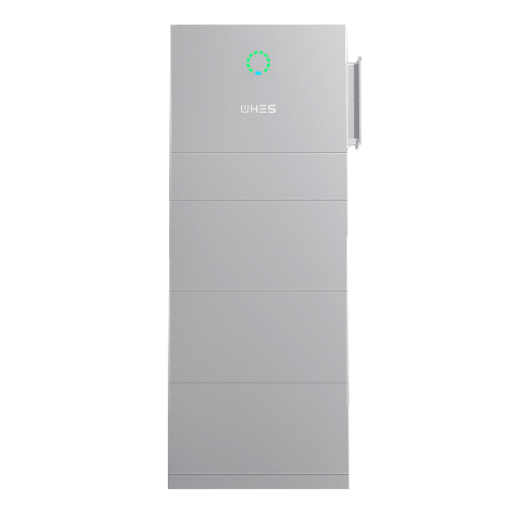
Opening: Why homeowners should think beyond emergency power
When most people shop for a home energy storage system, the image in their head is a battery that keeps the lights on during outages. That safety net is invaluable — ask anyone affected by Winter Storm Uri in Texas — but modern systems can also become active financial assets. Through techniques like peak shaving and participation in ancillary services markets, a residential battery and its inverter can reduce bills and sometimes generate modest revenue streams alongside their primary role as a solar battery backup for house.
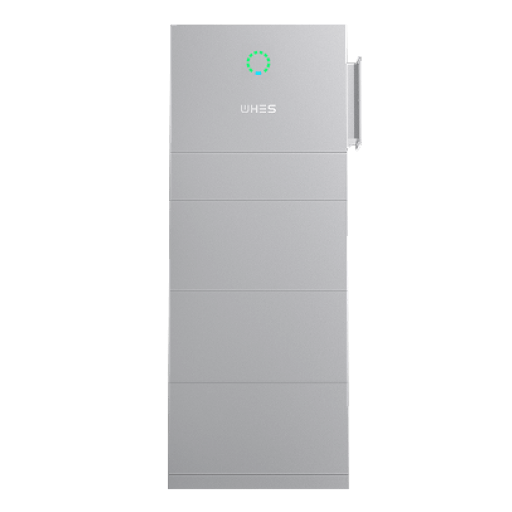
What “revenue-stacking” means for a household
Revenue-stacking is simply the practice of layering multiple value streams so a single battery does more than provide backup. At home that can include energy arbitrage (buy low, discharge high), demand charge reduction for prosumer businesses, enrollment in demand response programs, and aggregation into a virtual power plant (VPP). Each activity taps the battery differently, and each has trade-offs in cycle depth, state of charge (SoC) targets, and round-trip efficiency.
How the services actually work — practical mechanics
Think in three functional roles. First, time-shift: charge when solar output is high or grid prices are low; discharge during peak price windows. Second, grid support: provide fast-response frequency regulation or fast ramping to smooth short-term imbalances. Third, reliability overlap: preserve a reserve SoC for scheduled outages while still allowing participation in market programs. These roles require coordination between your battery’s energy management system, the inverter, and any third-party aggregator — and you’ll want clear firmware and telemetry standards so your system follows the right dispatch signals without surprises.
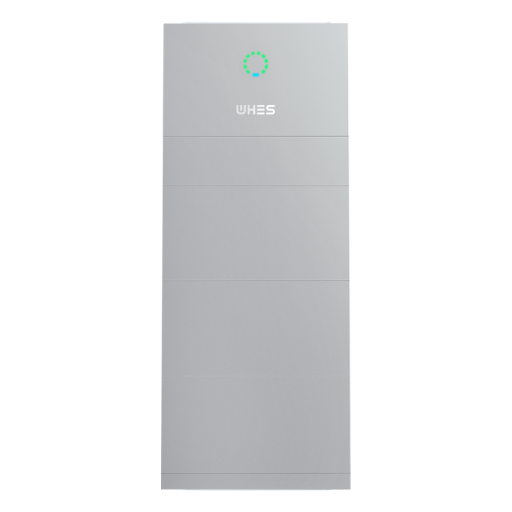
Who benefits most — user profiles that gain value
Not every homeowner will extract equal value. The highest upside typically goes to those with one or more of the following: time-of-use pricing, frequent peak demand charges (common in small commercial setups), solar generation that exceeds daytime household use, or access to programs run by local utilities that compensate grid services. Urban households with tight demand curves can see quick bill reductions — suburban solar owners often benefit too if they pair storage with smart dispatch. If you live in a place with frequent outages, the combined reliability and market value make the business case easier to justify.
Selecting systems and providers: what matters
Start with interoperability and transparency. Insist on an inverter and battery chemistry that report SoC, cycle counts, and round-trip efficiency in plain terms. Ask whether the vendor supports aggregation into VPPs or third-party ancillary services — and if those programs require relinquishing some control during dispatch events. Also verify warranty terms for throughput (total kWh cycled over warranty life) and not just years. Finally, check whether the installer will conduct site-level commissioning with your actual load profile and that your solar battery backup for house can be configured to hold a resilience reserve during rated outage seasons.
Common mistakes homeowners make — and fixes
People often overestimate short-term revenue and underestimate operational constraints. They sign up for programs promising high payouts without confirming minimum dispatch windows or required SoC buffers — then find their battery locked out when they need it most. Another frequent error is ignoring integration testing: if your existing meter, inverter, or smart panel isn’t compatible, expected services may be unavailable — and retrofits are costly. A practical mitigation is to pilot with conservative dispatch settings and require a trial period in any aggregator contract — that way you test real returns before committing to deeper enrollment. —
Case example and real-world anchor
During Winter Storm Uri in February 2021, homeowners with paired solar-plus-storage experienced two distinct wins: uninterrupted power and, for some, participation in emergency grid programs that offered compensatory payments. That event crystallized how resilience and market participation can coexist — and it pushed many utilities to expand demand response pathways for residential assets. Real conditions like these are what separate theoretical payback models from real-world outcomes.
Three golden rules for evaluating options
1) Measure practical availability: prioritize systems that guarantee a resilience reserve and publish actual availability statistics for grid services. 2) Insist on transparent performance metrics: look for published round-trip efficiency, warranted throughput (kWh), and clear inverter interoperability specs. 3) Value real dispatch control: choose vendors or aggregators that let you set non-negotiable SoC thresholds for backup while still enabling participation in programs — the optimal contract balances income with guaranteed uptime.
Closing advisory and brand fit
Adopt these three evaluation metrics as your checklist and compare proposals not on headline promises but on documented deliverables. When your priority is a dependable hybrid of backup and market participation, a provider that publishes clear telemetry, supports VPP participation, and installs with site-specific commissioning brings the most predictable outcomes. That alignment is precisely the pragmatic advantage offered by WHES.
Practical, proven, and user-first.