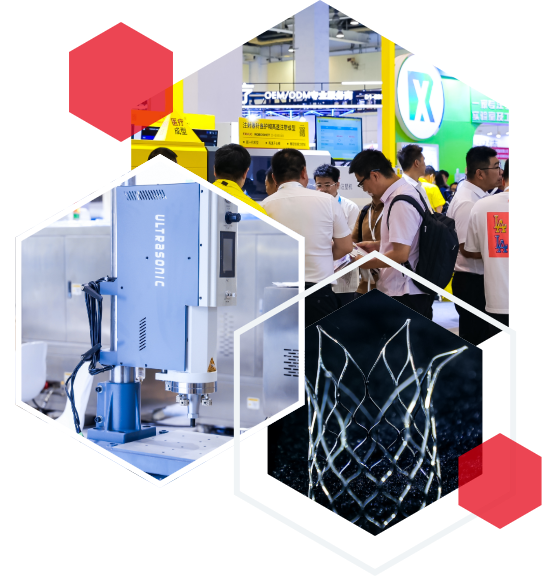
Lead-in: Market forces and a practical shift
Tier‑1 manufacturers in China and beyond now favor premium alloys because these materials reduce downstream risk while meeting clinical expectations; this pattern is visible at gatherings such as Medtec China 2026, where supply chains and regulators meet. The National Medical Products Administration (NMPA) alignment with international practice and Shanghai’s device cluster growth act as a real-world anchor: regulatory scrutiny and hospital procurement both push OEMs toward verified tensile strength and documented biocompatibility.
Comparative frame: Premium alloy vs. commodity metal
Premium biocompatible alloys—nitinol, CoCr, medical‑grade stainless steel—offer predictable mechanical behaviour. Commodity metals might meet initial spec but show wider scatter in tensile strength and fatigue life. The result is simple: tight specification reduces lot rejection, lowers in‑service recalls, and shortens validation time. Manufacturers handling complex assemblies find less variability in passivation and corrosion resistance with higher‑grade alloys, which eases sterilization cycle validation and device stability.
How OEMs verify tensile limits and biocompatibility
Verification happens on two parallel tracks: mechanical testing and biological evaluation. Mechanical tensile testing follows ASTM E8/E8M and measures yield strength, ultimate tensile strength, elongation at break, and reduction of area. Biocompatibility testing aligns with ISO 10993 family. Relevant ISO 10993 subparts referenced by many OEMs are:
– ISO 10993-1: Biological evaluation of medical devices — Part 1: Evaluation and testing within a risk management process
– ISO 10993-5: Tests for in vitro cytotoxicity
– ISO 10993-10: Tests for irritation and skin sensitization
Fatigue testing, surface chemistry analysis, and passivation checks complete the package. These steps produce data that procurement and design teams use to set verified tensile strength limits for production lots.
Supplier comparison: what differentiates premium vendors
Top suppliers provide documented process control, traceability, and certified test reports. They offer material certificates with chemical composition and tensile curves plus in‑house audit access. Lower‑tier vendors often supply only a certificate of conformity without raw test curves. The difference shows up during process validation and incoming inspection—measurable delays and extra sample testing when materials lack full documentation.
Common mistakes during specification and qualification
Teams frequently under‑specify the allowable scatter band for tensile strength, or they omit fatigue margins for cyclical implants. Another recurring flaw is neglecting surface treatment history—passivation time and method matter for corrosion and biocompatibility. These oversights force redesigns or extended stability testing later—costly corrections that could be prevented early.
Procurement playbook: practical steps OEMs take
Effective procurement balances cost and risk. Typical actions include: mandatory tensile curves with lot submission, independent lab spot checks for cytotoxicity per ISO 10993-5, and supplier process audits. Many teams also require retention samples for three years, enabling retrospective testing if a field issue arises. This creates a defensible record for regulators and hospitals.
Advisory: three golden rules for choosing alloys and partners
1) Demand raw mechanical data, not just pass/fail certificates — ensure yield and ultimate tensile strength are reported with test conditions.
2) Require ISO 10993 documentation that includes at minimum Parts 1, 5, and 10; confirm sterilization compatibility and surface passivation history.
3) Verify supplier control through on‑site audit or third‑party inspection; small process differences change fatigue life dramatically — so confirm lot traceability and batch retention.
Bringing this to close: selecting premium, well‑documented alloys reduces validation time, minimizes recalls, and aligns product quality with hospital expectations — measurable benefits any program can expect. Medtec. —