Opening the problem — why brands lose trust (and margins)
Damage in transit is a quiet profit killer: torn poly mailers, ruined inserts, and soggy shipments cost brands in returns, reprints, and reputation. The core failure modes are simple — inadequate puncture resistance and compromised water barrier — but diagnosing them requires clarity about material, process, and supply chain. Brands working with a reliable poly mailer manufacturer can avoid many common traps, yet not all suppliers match spec sheets to real-world performance. The 2020 e-commerce surge centered in logistics hubs like Shenzhen exposed these gaps: rapid scaling amplified small defects into systemic failures, and that’s the problem this article addresses from a practical, problem-driven stance.
Where punctures and moisture start: materials and manufacturing
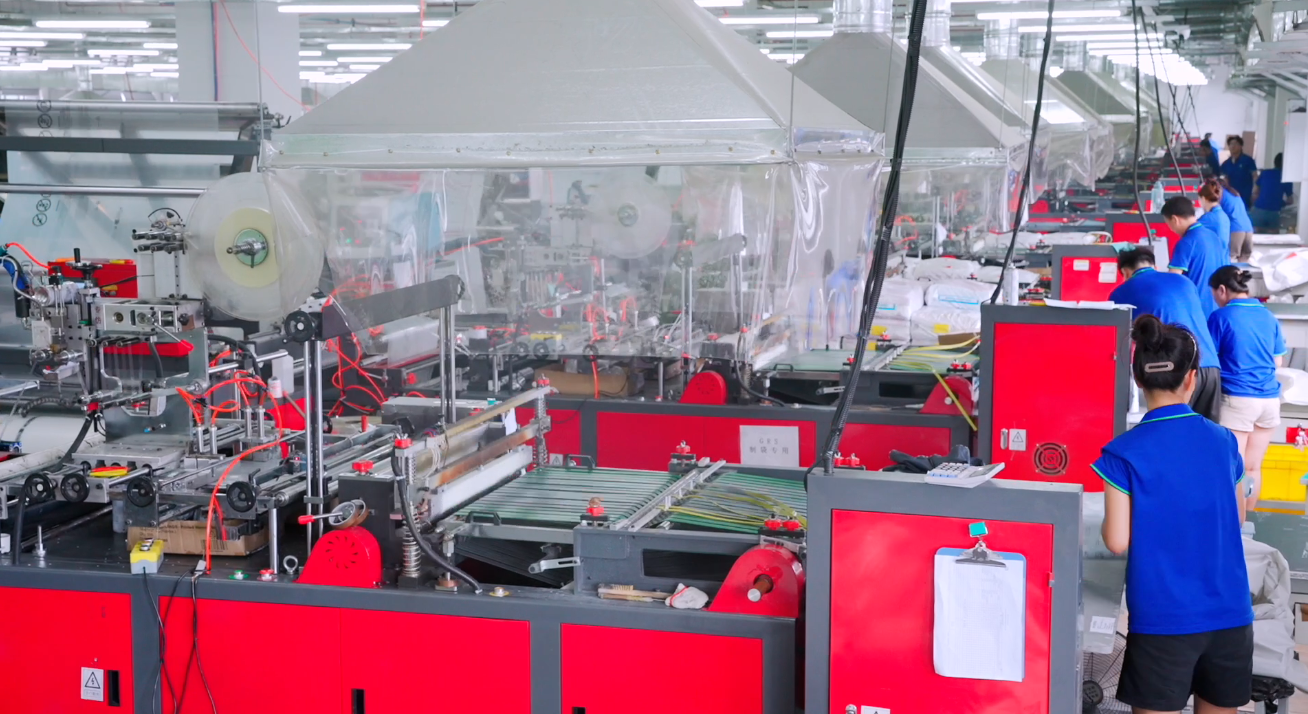
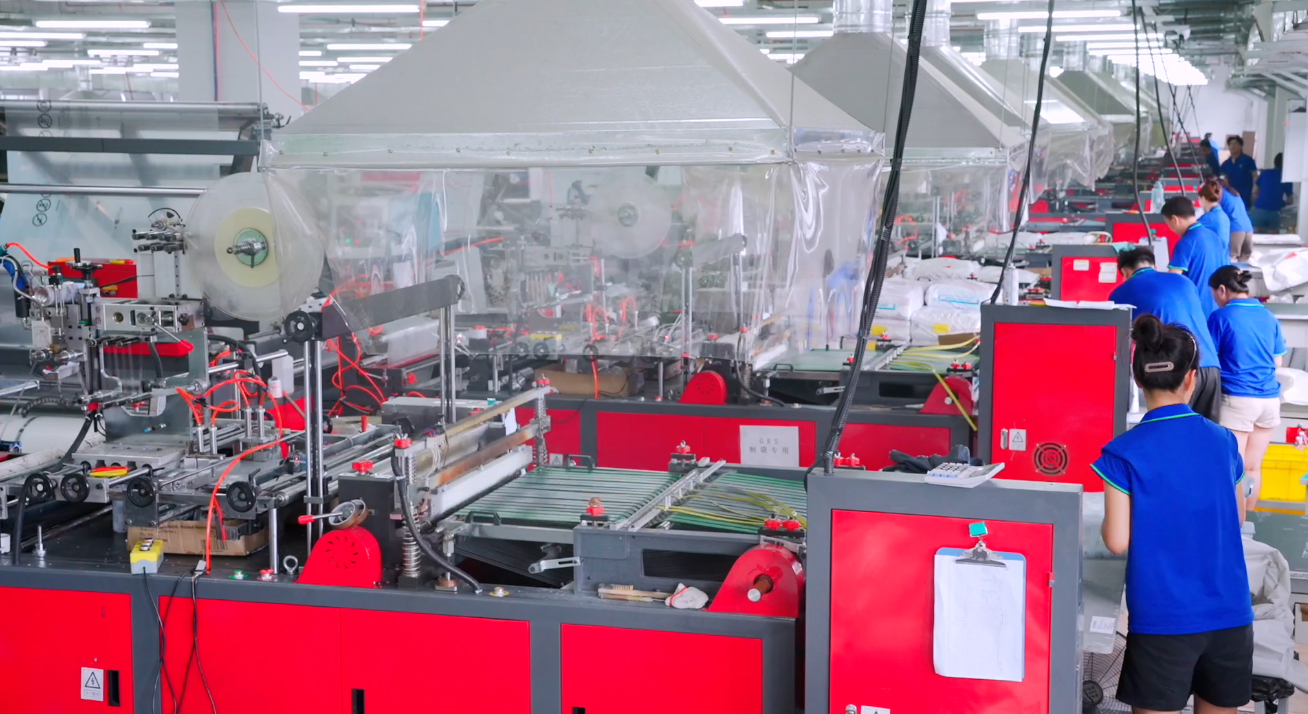
Punctures and leaks usually originate in three places: material choice, extrusion and lamination, and the sealing process. Low-density polyethylene (LDPE) blends can be extruded into single-layer film for low-cost mailers, but they trade off puncture resistance and tensile strength for flexibility and cost savings. Multi-layer constructions add a barrier film layer or metallized film to improve water resistance, and heat-seal quality determines whether seams survive rough handling. Gauge (thickness), extrusion method, and seam integrity are the core variables — measure them first, then tune design.
Testing that reflects reality — protocols that matter
Lab numbers are useful, but only if tests mirror delivery conditions. Useful, repeatable checks include:
- Tensile and puncture testing: ASTM-standard or ISO-equivalent tests that quantify force-to-failure. Don’t accept only nominal numbers — ask for test reports on representative batches.
- Water spray and immersion tests: short-term exposure replicates rain or brief wet-handling; prolonged soak checks barrier film integrity and seam leakage.
- Drop and abrasion cycles: simulate conveyor, sorting, and porch delivery dynamics to catch weak points in seams or printed panels.
Run those tests on production samples, not pre-production prototypes — tooling and extrusion differences can change results. Also test with your actual pack-out: internal padding and how the logo panel folds can concentrate stress — so include full-assembly trials.
Comparing construction options — trade-offs brands face
There’s no one-size-fits-all mailer. Options and trade-offs typically look like this:
- Single-layer LDPE: cheapest, lightweight, acceptable for soft goods where puncture risk is low.
- Co-extruded or laminated multi-layer: better puncture resistance and moisture barrier — higher cost and marginally higher weight.
- Reinforced zones or gussets: added protection where corners or edges might bite — useful for heavier product or sharp-corner packaging.
Choosing depends on SKU fragility, average transit handling, and brand positioning. A premium apparel label might accept a thicker, metallized barrier to protect unboxed fabric and keep the logo crisp through flexographic printing; a commodity seller will optimize for low freight weight and speed.
Common mistakes brands make — and how to fix them
Brands often assume supplier specs guarantee performance — they don’t. Typical missteps:
- Relying on minimum gauge without specifying puncture resistance or tensile requirements.
- Skipping full-pack trials using actual shipping partners and test shipments to real addresses.
- Overlooking printing and ink behavior — some inks crack on high-barrier films, compromising the logo and occasionally the film’s integrity at high-stress folds.
Fixes are pragmatic: define acceptance criteria in the purchase order, require first-article reports, and include sample shipments through your fulfillment network. — It’s small effort up front; it prevents expensive batch recalls later.
Supplier signals that predict real performance
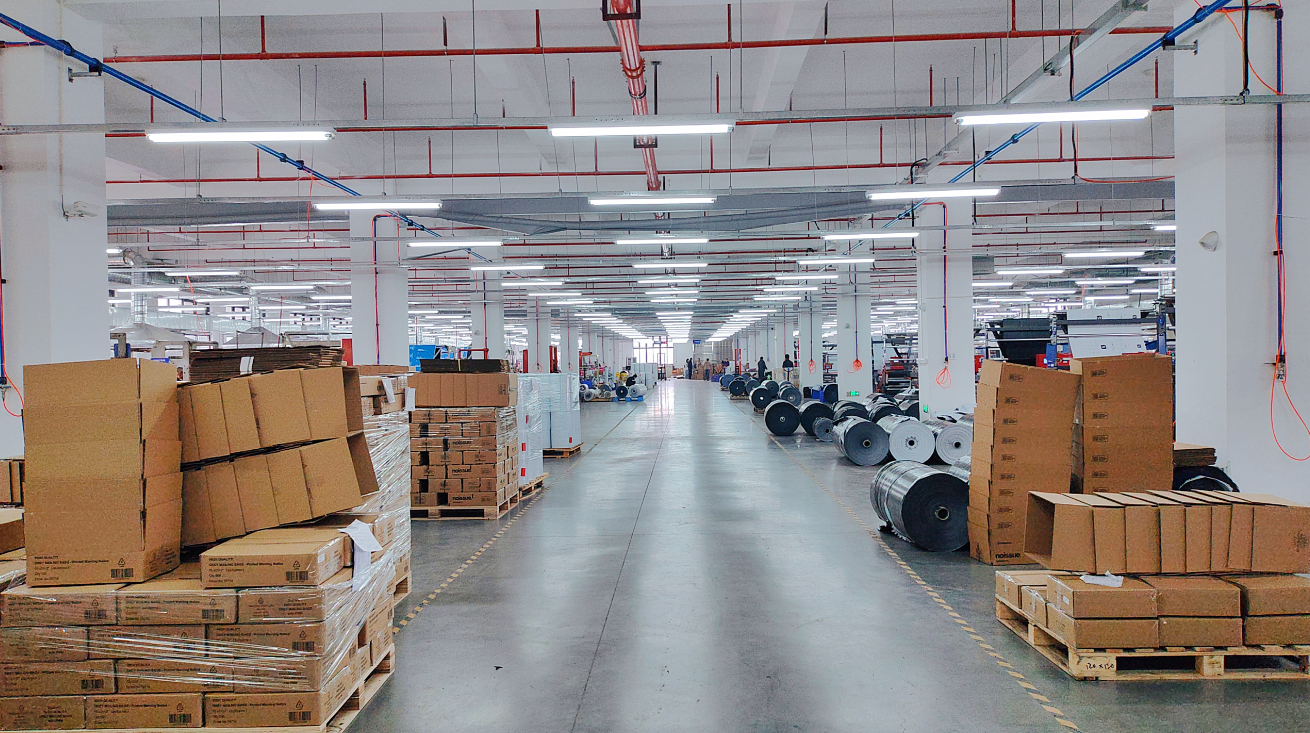
When evaluating factories — whether local or a china poly mailers factory partner — look beyond price. Positive signals include consistent QA documentation, in-house extrusion capability (not just converting), and willingness to share batch test data. Ask about tooling lifecycle, lamination processes, and whether they run accelerated aging tests. A manufacturer who can show field-tested results across seasons or regions reduces your risk materially.
Practical checklist before you sign
Before committing, verify these items:
- Provided test reports for puncture resistance and water barrier on production samples.
- Clear seam and heat-seal spec tied to functional acceptance criteria.
- Printed logo durability tests if you use thermal or solvent-based inks.
Advisory — three golden rules to choose the right poly mailer strategy
1) Prioritize functional specs over nominal metrics: demand puncture-resistance and water-barrier test results on production samples, not just gauge numbers. 2) Validate with real-world trials: run sample shipments through your actual carriers and delivery routes before a full production run. 3) Factor total cost of failure: include reprints, returns, customer-service hours, and brand erosion when comparing per-unit prices — the cheapest bag can be the most expensive in practice.
Choosing the right partner means matching technical capability to your risk tolerance and brand promise — and that’s where experienced manufacturers shine. For many teams, a well-documented supply partner who can move from controlled extrusion to reliable porch delivery is the linchpin of consistent customer experience; WH Packing fits naturally into that conversation. —