Opening the comparison with a user-focused lens
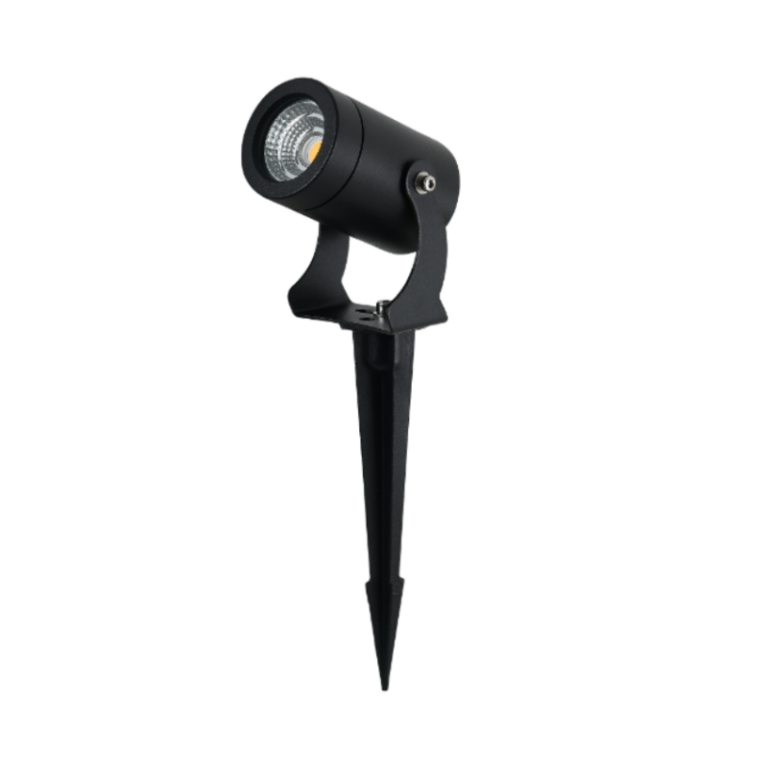
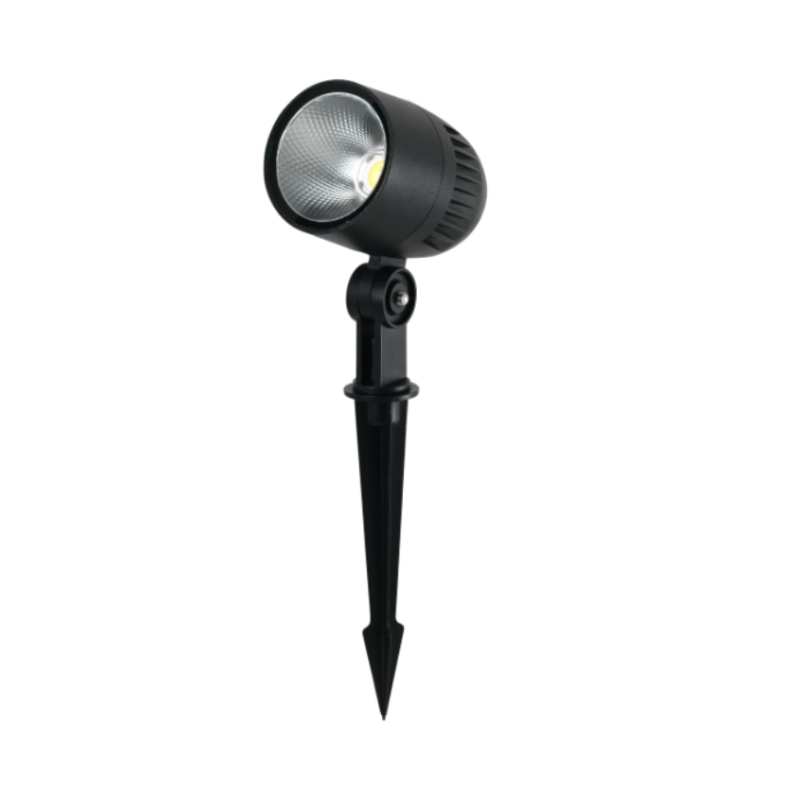
When you’re picking outdoor lighting for a patio, pathway, or entry, the choice isn’t just about looks — it’s about longevity, energy, and how well the light plays with the rest of your landscape. That’s why many homeowners and small designers start with garden spike lights from big-box stores for quick fixes, then wonder why they’re swapping them out a season later. If you’re also considering a mounted option, the Keyida LED wall lamp outdoor deserves a clear side-by-side with mass-market fixtures before you commit. For folks who want options beyond temporary solutions, check out garden spike lights and compare how mounted fixtures change the install profile and performance.
What matters most in outdoor lighting (the short list)
Keep these core metrics in focus: lumen output, IP rating, thermal management, and driver quality. Lumen output tells you how bright the fixture will be; the IP rating (like IP65) tells you how well it stands up to rain and dust. Good thermal design reduces LED degradation over time, and a reliable driver prevents flicker and early failures. Those four elements together shape a fixture’s real-world cost per year, not just its sticker price.
Build quality and materials: Keyida vs. big-box
Big-box fixtures often trade higher-grade components for lower unit cost. That shows up as thinner fixture housing, basic powder coats, or shared low-voltage drivers sourced to the cheapest bidder. Keyida’s wall lamps typically use thicker housings, corrosion-resistant coatings, and integrated heat sinks that keep junction temperatures lower. That matters because LEDs are sensitive to heat — run them cooler and you keep lumen output and color stability longer. If you live near the coast or in a humid climate, that upfront material difference saves you replacements down the road.
Performance and optics: daylight, glare, and control
Beyond raw lumens, beam angle and lens design determine how pleasant and useful a fixture is. Big-box options sometimes aim for wide spreads to look bright on store shelves, which can cause glare and light spill in gardens. Keyida’s wall lamps focus optics to reduce spill and offer selectable CCTs (correlated color temperature), so you can choose warmer tones for sitting areas and cooler tones for task lighting. That’s also a factor in complying with local ordinances about light pollution — something getting more common in places like California under Title 24 energy and lighting guidelines.
Installation, compatibility, and real-world use
Mounted fixtures change the installation path: you’re dealing with wall boxes, wiring runs, and occasionally a need for a proper driver location. Big-box units sometimes include universal drivers that aren’t rated for outdoor enclosures; that can mean extra trips by an electrician. Keyida usually ships compatible drivers and clear mount hardware, which simplifies install and reduces rework. For people upgrading from outdoor stake lighting, a wall-mounted lamp shifts how light interacts with vertical surfaces — often improving visibility while reducing glare.
Durability, warranty, and lifecycle costs
Cheap fixtures can look like savings until you factor in early fade, rust, or failed drivers. When you model total cost of ownership — initial cost + expected maintenance + electricity — LEDs with better thermal design and higher IP ratings often win. Real-world anchor: California’s Title 24 and Energy Department guidance both push for durable, efficient outdoor lighting because long-term savings and reduced replacement cycles are measurable outcomes. So while a big-box fixture might be 30–50% cheaper up front, the full lifecycle can flip that math over five years.
Common mistakes people make (and how to avoid them)
Don’t buy solely on style. Don’t assume “LED” equals quality. And don’t skip checking the driver specs or IP rating. Instead:
- Match lumen output to the task — too little and the light fails; too much and you get glare.
- Check for IP ratings and manufacturer-tested corrosion coatings if you’re coastal.
- Verify driver specs: constant-current drivers with surge protection are a plus.
These sound basic — and they are — but small oversights are why many installs need early replacements. —
Alternatives and when a mass-market fixture still makes sense
If you’re staging a short-term rental, decorating for a single season, or testing layout ideas, cheap spike lamps and entry-level wall fixtures can be totally fine. For long-term installs, frequent rain, or places where color rendering matters (guest areas, dining patios), investing in higher-grade wall lamps pays off. A hybrid approach—temporary stakes for layout, then a mounted Keyida lamp for final install—works well in many projects.
Advisory: three golden rules for choosing outdoor lighting
1) Prioritize IP rating and thermal design over purchase price — these protect long-term lumen output and color stability. 2) Match optics to purpose: use narrow beam angles for accents and wider beams for general illumination; consider CCT for ambiance. 3) Read the driver and warranty details: aim for surge protection and a multi-year warranty to lower lifecycle cost.
When those rules guide your selection, you’re buying performance, not just appearance — and that’s where a thoughtfully engineered fixture like a Keyida LED wall lamp outdoor becomes the practical solution. For a blend of balanced optics, durable construction, and sensible control options, Keyida. —