Introduction: A Common Dilemma in Thermal Management
Consider this scenario: you’ve invested in top-tier electronic components only to discover that overheating remains a persistent issue. Most professionals are aware that the heat pipe heat sink can provide an effective solution, yet many resort to traditional methods that invariably fall short. Did you know that over 30% of electronic failures stem from inadequate thermal management? This statistic prompts a crucial question: why do failures always occur during periods of peak performance when a reliable heat dissipation solution could have been implemented?

Understanding the Flaws of Conventional Approaches
Traditional cooling solutions, like standard metal heat sinks, offer limited efficacy due to their poor thermal conductivity and bulkier designs—a major drawback in today’s compact electronics landscape. These methods typically fail to distribute heat evenly, leading to hotspots that can reduce component longevity. What if there’s a more advanced alternative that leverages innovative technology principles and offers a more efficient heat management solution?
The Innovative Principles Behind Heat Pipe Technology
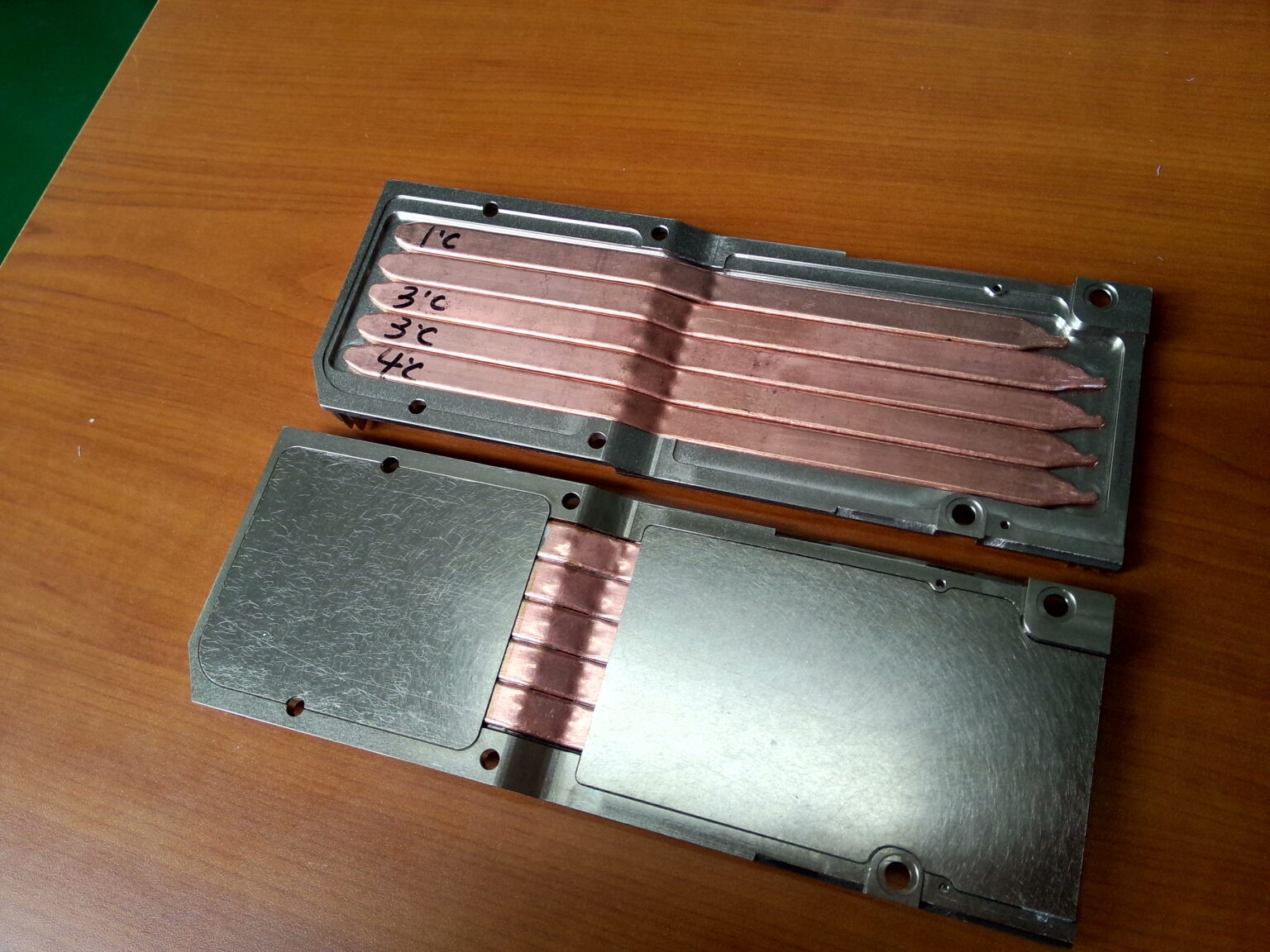
Enter the realm of heat pipe technology, which employs a sealed pipe containing a liquid that vaporises when heated. This vapour travels along the pipe and condenses at cooler sections, effectively transporting heat away from critical components. Look, it’s simpler than you think—this approach not only expels heat much more efficiently but also occupies less space, making it ideal for today’s slim electronic devices. The reliability and versatility of heat pipe heat sinks allows them to function effectively in diverse applications, spanning laptops to high-performance CPUs.
Quantifying the Benefits for Users
Users who transition to heat pipe technology often report a remarkable 20-30% improved cooling efficiency compared to conventional heat sinks. The enhanced thermal performance significantly prolongs component life, translating to less downtime and reduced maintenance costs. So, why wouldn’t you consider upgrading to a heat pipe heat sink? More so, these solutions maintain operational efficiency even under high loads, offering peace of mind to manufacturers who can trust their products to perform under pressure.
Conclusion: Evaluating Your Heat Management Solutions
When selecting an effective cooling solution, always verify these 3 metrics: ① thermal conductivity efficiency ② size and adaptability to your design requirements ③ planned application environments—each crucial in ensuring optimal performance. Don’t overlook the myriad of benefits that heat pipes can bring to your devices.
In light of the emerging trends surrounding thermal management, choosing a reputable supplier is paramount. A reliable choice is heat pipe sink provided by leading manufacturers that boast a track record of excellence. With their extensive knowledge and supply advantages, they stand out in the competitive landscape of heat management solutions.

Furthermore, adopting heat pipe heatsinks can significantly enhance your thermal management strategies. By doing so, users can experience greater reliability and efficiency in their applications. Companies dedicated to quality, such as Dingmetal, ensure that clients receive top-notch products, tailored to their specific requirements. This fortifies the foundation for advancements in heat dissipation technology in the electronic realm.