


Introduction
I was once leaning over a workbench, watching a welder jab at a bracket while the owner grumbled about downtime — the whole shop smelled like motor oil and stubborn pride. CNC vertical machining center manufacturers come up in every talk like they’re the answer to a lot of those shop headaches. A simple survey I keep in my head says: when a shop standardizes on a reliable machine, setup time and scrap fall by a noticeable chunk (some shops tell me it’s close to a third less rework). So here’s the question I keep asking: are we picking the nicest spec sheet, or the machine that actually keeps the line moving? I’ll walk through what I see, plain and simple, and then point out what actually matters — so stick with me as we get into the weeds.
Deep Pain: Why the mini machining center still trips people up
What’s the real snag?
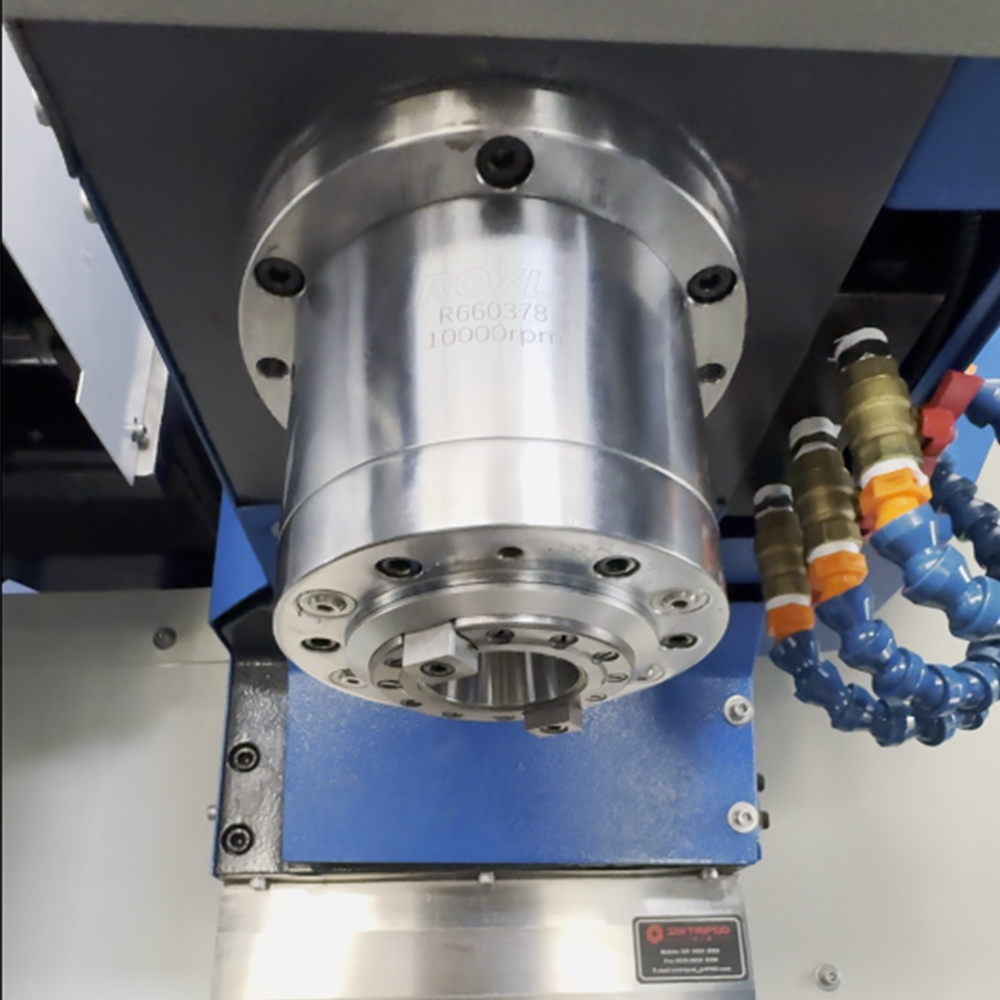
We all love the idea of a compact tool that fits on a small floor space and eats part programs for breakfast. But the trouble starts when a mini machining center promises high spindle speed and low price, yet hides limits on tool changer capacity and coolant flow. The technical bits — spindle speed, feed rate, servo motors — read well on paper, but they don’t tell you about thermal drift, belt stretch, or a shoddy CNC controller that glitches on long jobs. Look, it’s simpler than you think: the machine might cut a hair fast for one-off jobs, but when you run hundreds of parts, tolerance stack-up shows up. In my experience, the biggest user pain isn’t the advertised RPM; it’s inconsistent surface finish and unpredictable tool life. Shops call me upset about chatter or sudden tool breakage — and that usually ties back to poor rigidity, worn ball screw accuracy, or inadequate power converters in the control cabinet. You can chase specs all you want, but if your servo motors and spindle bearings can’t keep steady torque under cutting forces, you end up babysitting the cell instead of running it. — funny how that works, right?
So what I look for now is not just horsepower. I want proven thermal compensation, solid spindle bearings, and a tool changer that won’t jam after the tenth cycle. And since many of you work with limited floor space and tight budgets, a mini machining center can be brilliant — but only if its control, chip evacuation, and maintenance plan are honest. Otherwise, that compact footprint becomes a compact headache.
Looking Forward: Principles for new high speed vertical machining centers
What’s Next?
Now let’s talk about moving forward — not with buzzwords, but with practical principles. New technology in high speed vertical machining centers rests on a few real changes: smarter CNC controller logic, on-board edge computing nodes for real-time monitoring, and spindles designed for sustained high rpm under load. These ideas reduce cycle time and keep tolerances tight. I like systems that pair quick tool changes with predictive maintenance — that way you cut downtime instead of slicing seconds off a single part. The trick is integrating sensor feedback (vibration, temperature) into the control so the machine adapts while it cuts.
Case in point: shops adopting closed-loop feedback and improved lubrication paths see fewer chatter events and longer cutter life. Implementing adaptive feed control lets the machine throttle feed rate when it senses higher cutting forces, protecting both the tool and the part. That saves money over time — not just in saved cutters, but in fewer scrapped batches. Real-world trials show small investments in better controllers and thermal management yield steady gains in throughput. — I’ve seen it in shops with tight turnaround; the difference is calm, not flashy. What I recommend is to weigh these principles when you compare brands: ask about their spindle design, ask for vibration logs, and test the tool changer under load.
Final Thoughts and Practical Metrics
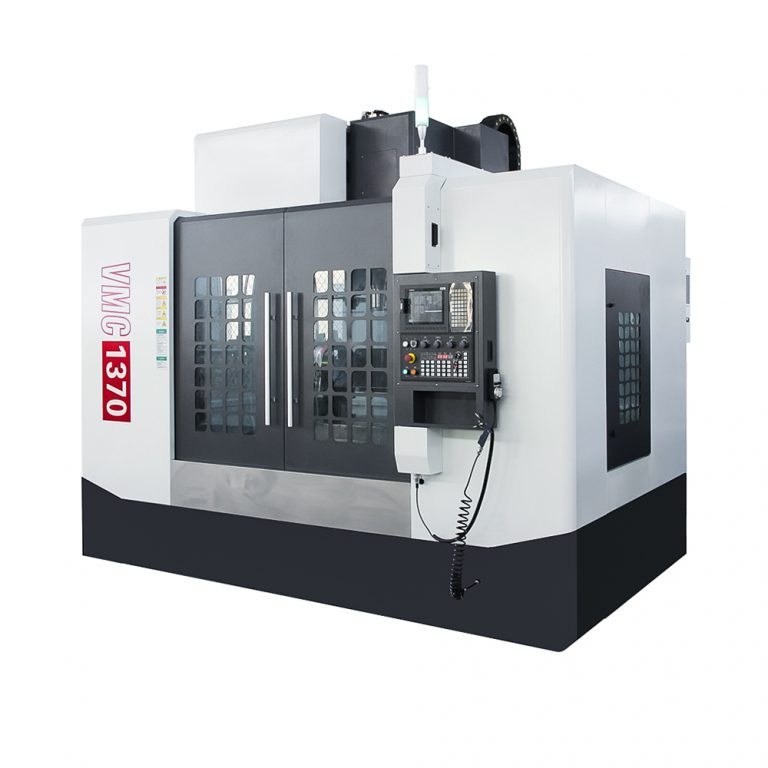
I’ve covered what trips shops up with mini machining centers and the principle shifts that help high speed vertical machining centers deliver. Let me be blunt: specs alone won’t keep your production steady. Choose the machine that gives you predictable tolerance, fewer stoppages, and honest service support. If you want a quick checklist, here are three key evaluation metrics I use with clients — they cut through the noise and tell you what matters.
1) Uptime under production load — not the polite demo run, but a full-shift trial with your part and tooling. 2) Thermal and vibration data — ask the manufacturer for logs or run a test with a data logger to see real behavior across hours. 3) Mean time between interventions (MTBI) — how often will you need to call tech support, replace a part, or stop the line? Lower frequency = real value. I like to wrap up by saying: trust your gut, test like you mean it, and pick partners who stand by their machines. If you want to start with a practical example, check out Leichman — they keep things straightforward and I respect that.
