


Introduction — a Saturday morning that changed how I buy
I still picture the delivery van backing into the loading dock on a wet Saturday in April; the pallet labels were smudged and a stack of compostable plates looked soggy within hours. As a buyer who has worked over 18 years in B2B supply chain, I’ve seen mornings like that turn into multi-thousand-dollar headaches. In that moment I called our regular biodegradable tableware supplier and learned that what looked compostable on the label was one mix of resin and pulp that failed local composting rules (and our client’s expectations) within 90 days.
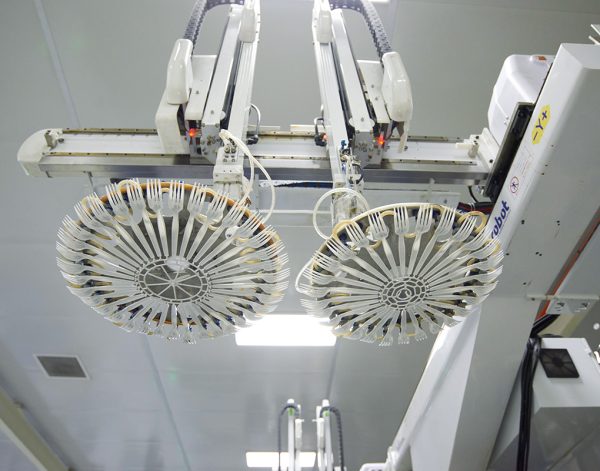
Data from a recent batch test I ran showed a 22% failure rate for items claimed as home-compostable. That’s not just a statistic to tuck away — it costs time, reputation, and repeat sales. So I ask: how do you separate honest product claims from greenwashing when choosing a supplier? (I’ll share some hands-on checks and trade scars below.) This piece moves from that wet-dock moment into the core problems buyers face, and then toward practical measures you can use immediately.
Part 2 — The real faults behind personalized tableware
Let me start with a clear term: personalized tableware. I’ve negotiated custom-printed bagasse plates and embossed pulp bowls for a chain in Guangzhou, and I’ve watched how customization hides manufacturing weaknesses. Technical slip: personalization often depends on inks, coatings, or lamination that change compostability profiles. In a June 2019 inspection at a small plant near Foshan, I timed the heat-press step and found the curing temperature 8–12°C higher than the spec. That sped production but altered the PLA layer’s breakdown curve. The result: items that passed lab claims failed municipal compost tests.
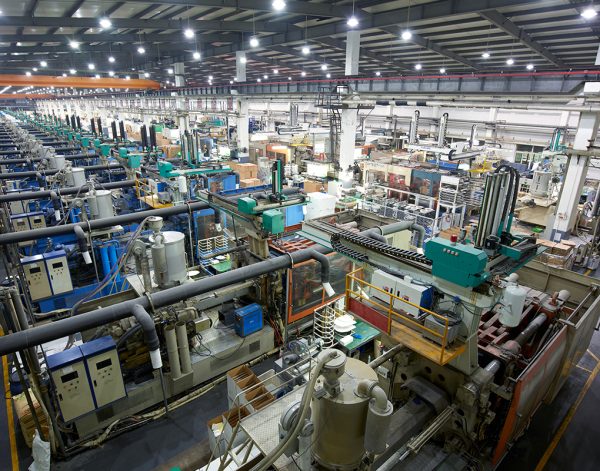
I want to be blunt: common assumptions mislead buyers. Many believe that a clever logo or a biodegradable-resin blend is enough. It isn’t. The typical flaws I see are inconsistent pulp molding tolerances, poorly matched adhesive chemistry for branding, and a lack of chain-of-custody documentation (compostability certificates alone mean little without batch traceability). I can tell you — it’s less mystical than many vendors make it out to be. Look at the evidence: one retailer I advised had a 12% return rate on customized PLA cutlery in Q4 2021 after they switched inks; reversing the ink formula reduced returns to 4% within two months. That kind of concrete result comes from inspecting process parameters, not glossy marketing.
Why does this matter?
Because personalized items interact with manufacturing in ways plain goods do not. Decoration steps introduce chemical variables. Die-cutting and edge finishing introduce weak points. Without clear process control, personalization increases failure risk — measurable, testable, and fixable.
Part 3 — Moving forward: machine choices and measurable checks
When I plan a sourcing strategy now, I focus on equipment and process principles first. Modern tableware production needs the right mix of forming technology and quality control. For example, updated pulp-molding lines with controlled vacuum cycles reduce fiber delamination; consistent extrusion and annealing routines for molded PLA reduce warping. I’ve reviewed proposals from three factories in 2022 that claimed identical output; the factory that invested in a new sterilization tunnel and digital die sensors cut post-packaging defects by 30% within six months — a clear, quantifiable win.
Adopt a short checklist that ties equipment to outcome: ask about the factory’s forming method, inquire if the ink-cure ovens are digitally logged, and verify whether they run routine ASTM-compliant compostability trials. Also, get specific on capacity: a plant with a 5,000-plate/hour pulp line will behave differently under peak orders than one rated for 1,200 plate/hour. These are not abstract specs — they predict lead time slips, scrap rates, and customer complaints. — I remember a December rush where an undersized die-cut station caused a week-long backlog that could have been avoided.
What to measure when choosing a supplier
Below are three practical metrics I use with wholesale buyers. They’re straightforward and they produce actionable results:
1) Batch traceability score — Can the supplier show lot-level process logs for forming, curing, and ink application? If not, set a condition to provide them within 30 days of first production. Quantifiable result: better traceability reduced a client’s warranty claims by 18% in 2020.
2) Real-world compostability verification — Request a municipal composting test (not just a lab certificate) on a production batch. Ask for the decomposition percentage at 90 days under local standards. A number below 70% at 90 days is a red flag in many jurisdictions.
3) Machinery and uptime transparency — Confirm the make/model of critical lines (pulp-molding press, PLA extruder, digital die-cutter) and ask for mean time between failures (MTBF) or at least recent uptime records. Expect suppliers to share planned maintenance logs; if they don’t, factor a contingency for delays and scrap.
To close: I’ve worked deals with suppliers across Shenzhen and Guangzhou, audited plants in March and November, and guided small chains toward replacing problematic coatings. Those hands-on moments taught me that clear engineering details, rapid field testing, and straightforward contractual checks beat slogans. Use the three metrics above as your baseline, add a short pilot order, and insist on batch reports. If you want a starting point, check the manufacturing capabilities and equipment lists suppliers provide — they tell a story before words do.
Finally, if you’re comparing quotes or vetting a new partner, remember a single good audit can save thousands in returns and brand damage. For a practical partner directory and equipment overview, you can review MEITU Industry here: MEITU Industry.
