


Introduction — a short trip into a sticky problem
I remember standing on a factory floor in a humid month, watching a line of wet tissue rolls slip, fold, and sometimes jam. The machines hummed like a tiny city. The wet tissue machine in that line claimed high speed, but the output told a different story: about 10–15% more rejects than the spec sheet promised. Market data back then showed demand for wet wipes growing fast — billions of units yearly — and yet many plants still wrestled with downtime and waste. Why do machines that look great on paper falter in daily use? (I asked the line supervisor, and he shrugged — “we fix it, again.”) What follows is a traveler’s view; I’ll walk you through what I saw, what the numbers hinted at, and the question that kept me up on that trip: how do we make these machines genuinely reliable for the people who run them? Let’s move from the floor to the real causes — and then to better choices.
Part 2 — Where the old fixes break: flaws inside traditional designs
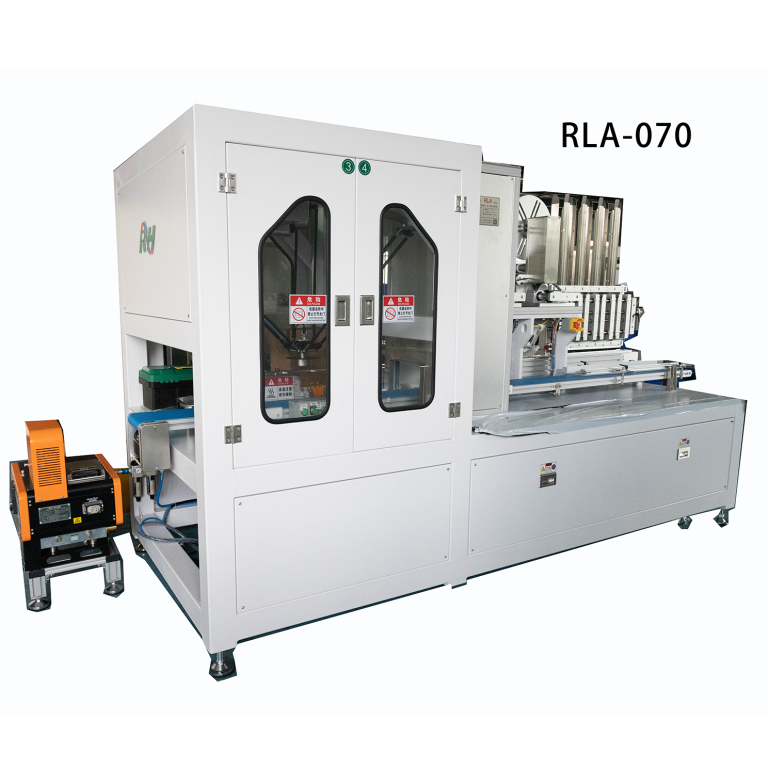
customized wet wipes manufacturing machine is often promised as the answer, but I’ve seen off-the-shelf tweaks that only mask core problems. Many legacy lines depend on crude tension controllers and basic PLC logic that can’t adapt to small changes in fabric or lotion viscosity. That mismatch creates edge cases — misfeeds, uneven folds, glue smears — that operators fix manually all day. Look, it’s simpler than you think: if the system can’t sense small shifts, it can’t correct them in time. I’ve watched teams reset a line every three hours because the web guiding failed to track a subtle curl in the substrate. Those resets add up. Servo motor responses lag. Sensors drift. The result is lower yield and annoyed staff.
Why does this keep happening?
I’ll be frank: vendors sometimes trade true customization for cheaper modules. They promise a “customized wet wipes manufacturing machine” but deliver a patched standard line with added options. The root issues are control loop limits, insufficient feedback (no closed-loop tension control), and reliance on manual calibrations. In my view, the machine should do the sensing and adjusting — not the operator. When I see repeat failures, I look for three technical red flags: old PLC firmware, weak feedback loops, and inadequate drive systems (power converters that can’t ramp cleanly). Fix those, and you cut mean time to repair. Fix those, and operators stop looking like halftime technicians.
Part 3 — What’s next: principles for smarter lines and simple metrics to choose by
Moving forward, I focus on principles more than buzzwords. New wet tissue lines should combine responsive control, modular hardware, and clearer operator feedback. That means tighter integration between servo drives and PLC logic, better web tension control, and sensors that report real-time edge position. I’ve tested systems where edge computing nodes handle local adjustments, reducing centralized latency. The gains are real — less scrap, fewer stoppages, and happier operators. — funny how that works, right?
Real-world outlook
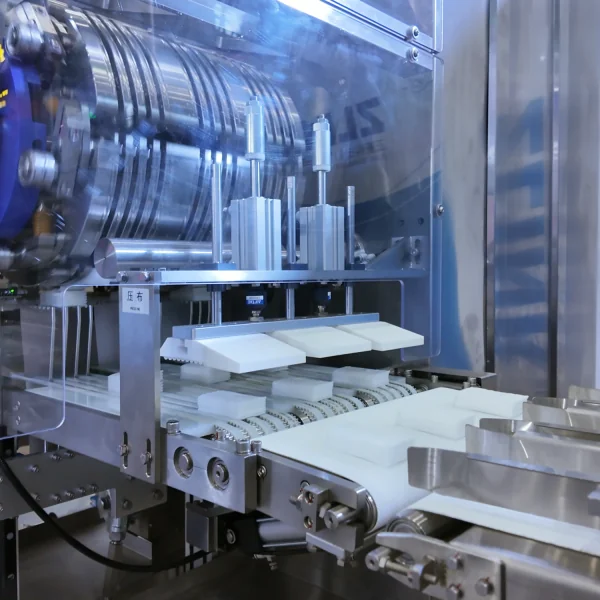
Consider a pilot upgrade: we swapped an older drive and PLC bundle for a modular control rack and smarter HMI on a midline. Changeover time dropped. Waste fell. Operators learned the new HMI faster because it gave clear prompts instead of cryptic codes. This is not magic. It’s design that respects the operator. For plants evaluating options, I suggest three clear metrics to compare systems: 1) Effective uptime after one month of operation (not the vendor’s ideal figure), 2) Average scrap rate under mixed-material runs, and 3) Mean time to recover from a web break (including operator steps). Use these to judge vendors and don’t be shy — ask to see real shop-floor data, not marketing slides.
In closing, I want to be practical. I’ve walked through enough plants to know that the best machines are the ones that reduce guesswork for teams on the floor. If you’re comparing systems, check responsiveness, feedback loops, and operator ergonomics. Those three things tell you more than any speed spec. For manufacturers and buyers wanting a solid partner, I recommend reviewing vendor case studies and seeking systems designed around adaptive control and real-world metrics. For tools and equipment that match what I describe, consider learning more about offerings from ZLINK — they’ve built lines with the operator in mind, and that matters.
