


Introduction: A Shop Floor Moment, the Numbers, and a Question
I was three shifts deep once, watching a trainee wrestle with a stubborn job — the part kept coming out oversized, and the team blamed the tooling (sound familiar?). CNC turret lathe setups can be deceptively simple, yet a single bad choice in turret indexing or coolant flow ruins hours of work. Statistics from small shops I talk to show scrap rates often climb to 5–8% on new programs; that adds up fast. So, how do we stop repeating the same slip-ups and actually save time and money on the floor? (Lekker question, hey.)
Part 2 — Going Deeper: Where Traditional Fixes Fall Short
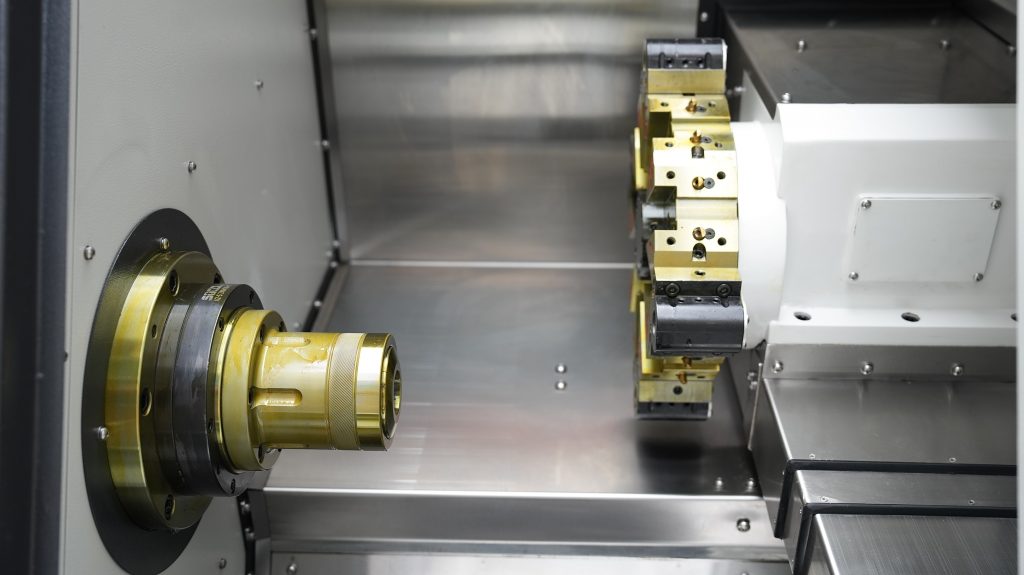
multi turret cnc lathe is often offered as the go-to answer for throughput problems, but the usual band-aids miss the mark. Too many teams double down on higher spindle speed and live tooling without rethinking fixturing, tool life or the CNC controller logic. I’ve seen shops crank up RPM and tighten tolerances — only to reveal vibration that ruins surface finish. Look, it’s simpler than you think: the core issues are alignment, turret stability and cutting strategy. In my view, those are the real levers we must pull.
Why do the classic fixes fail?
Because they treat symptoms, not causes. We swap in carbide inserts and expect miracles. We change power converters — and forget to tune acceleration profiles. Tool offsets pile up. The coolant system might be fine, but if turret indexing is sloppy (or the tool turret isn’t secured properly), the cut shifts. I’ll say it plainly: I prefer tightening procedure and monitoring spindle speed and vibration first — before buying new toys. That shift saves hours and avoids the classic “new-machine optimism” trap — funny how that works, right? We also need to track tool life with simple logs. A little discipline on setup — and a checklist — fixes far more problems than expensive upgrades.
Part 3 — What’s Next: Principles for Smarter Upgrades
Now we look ahead. New technology needs to be matched to real problems, not glossy brochures. I focus on three principles: measure before you change, prioritize rigidity and integrate smarter control logic. For example, pairing a horizontal turret lathe upgrade with improved feedback on spindle torque and a tightened coolant nozzle can yield better results than doubling spindle speed. (Yes, really — small changes often beat big swings.) Integrate sensors if you must, but align them with clear KPIs: scrap rate, cycle time and first-pass yield.
Real-world steps to consider
Start by validating your baseline: log cycle times and inspect runout. Then, test one variable at a time — change turret clamping torque, then test. Use live tooling only when it shortens setup or eliminates secondary ops. I recommend keeping the control interface familiar to operators; new software is great, but only if people use it. We did this in my last project and cut rework by nearly half. — honest results, not hype.
Conclusion — How to Choose and Measure Better
We’ve chased quick fixes long enough. I’ve learned to slow down, measure, and then act. If you want a practical checklist, here are three evaluation metrics I use when deciding on upgrades or processes: 1) Reduction in scrap rate over 30 runs; 2) Net cycle-time improvement per part (including setup); 3) Operator error rate after one week of use. Those metrics keep decisions grounded in real shop life. I’m not selling a silver bullet — just plain advice I’d offer a mate in the workshop. For solid equipment and support, check Leichman.
