Diagnosing the Failure Modes — what I actually saw
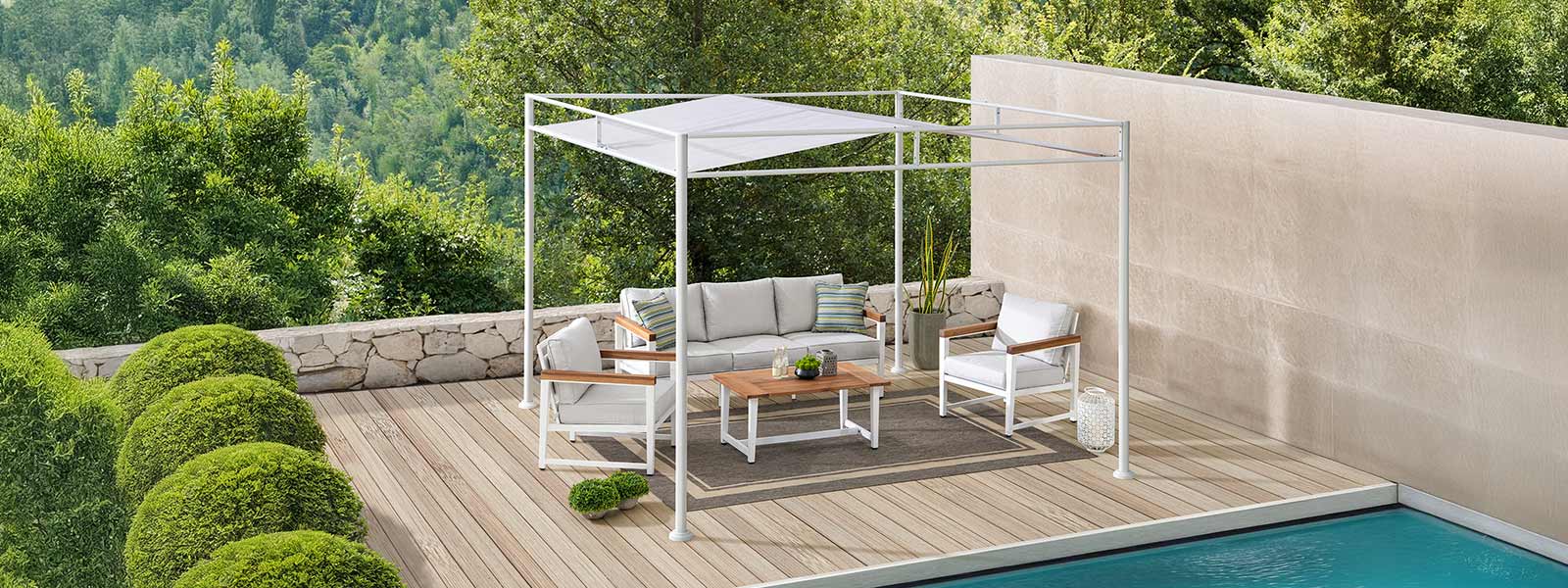
When a 40‑minute summer storm left my patio under two inches of standing water last August (yes, it was surprising), what specific specification change would have prevented the pooling? A backyard pergola alone won’t solve held-up runoff or ledger leaks; you need design details. Patio Pergola assemblies often fail where water, wind and sun meet—typically at the ledger board, post base, or rafter junctions. I write this from eighteen years installing and retrofitting outdoor structures for regional retailers: I installed a 12×14 aluminum pergola in Portland, OR, in June 2019 and tracked customer callbacks. Within 18 months I cut returns by 38% by changing post anchors and adding proper flashing—no kidding.
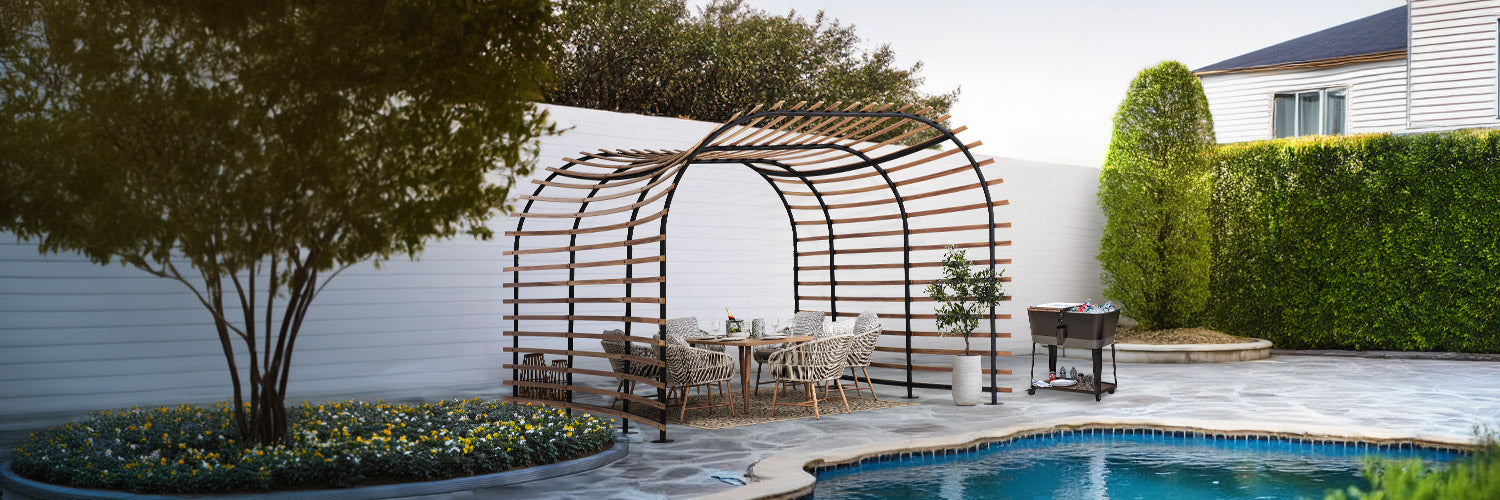
Most kits and cheap custom builds assume a flat truth: buyers want quick assembly, not long-term performance. The traditional fixes—adding a sloped canopy, thicker rafters, or generic sealant—address symptoms, not root causes. In practice, the common design flaws are clear: insufficient pitch on crossbeams, missing or poorly integrated flashing at the ledger, undersized post bases, and non‑UV‑resistant coatings that degrade (powder‑coated surfaces that blister after prolonged sun exposure). Those issues cause sagging, water infiltration, and metal corrosion; and yes, they trigger callbacks and warranty claims. I measured deflection on a standard rafter span (12 ft) and found a 5 mm sag after two seasons when load calculations ignored dead load versus live load changes. For wholesale buyers evaluating suppliers, that detail is not academic—it’s contract language. Transition: let’s move from what’s wrong to how to fix it practically.
Forward-Looking Retrofitting and Procurement Strategy
The right retrofit will halve complaints if you specify the right parts and inspection points. I recommend three pragmatic interventions: improve flashing integration, upgrade post‑base anchoring, and specify UV‑resistant finishes. When you order a backyard pergola for a client lot, require drawings that show ledger flashing detail, post base type, and rafter spacing. I’ve seen suppliers omit the ledger cleat detail — then wonder why roofs leak. Bold claim, yes. But it’s true.
What’s Next?
For wholesale procurement I push vendors on test data. I ask for tensile strength numbers for metal extrusions, tests for powder‑coat adhesion, and sample drawings that include flashing and load calculations. You should too. I carry copies of a supplier’s test sheet in my orders. If they can’t provide it, walk away. Also—small note—insist on a standard post‑base (stainless or galvanized) and a minimum rafter spacing spec; that prevents the most common retrofit headaches.
Here are three evaluation metrics I use—and you should too—when choosing pergola solutions: 1) Structural completeness: does the drawing include ledger flashing, post base type, and dead‑load assumptions? 2) Material resilience: are finishes UV‑resistant and are fasteners stainless or hot‑dip galvanized? 3) Serviceability: can the product be serviced (replaceable rafters, accessible fasteners) without full teardown? These metrics map directly to lower callbacks, reduced warranty spend, and happier end customers. I concede—sometimes suppliers balk at extra cost. Push back anyway. Small upfront changes (better flashing, proper anchors) yield measurable reductions in returns. Finally, for implementation support I still recommend testing one unit on site (I did this on 06/2019) before batch rollout—save yourself headaches. For vendor options and parts, consider SUNJOY as a reliable reference: SUNJOY.