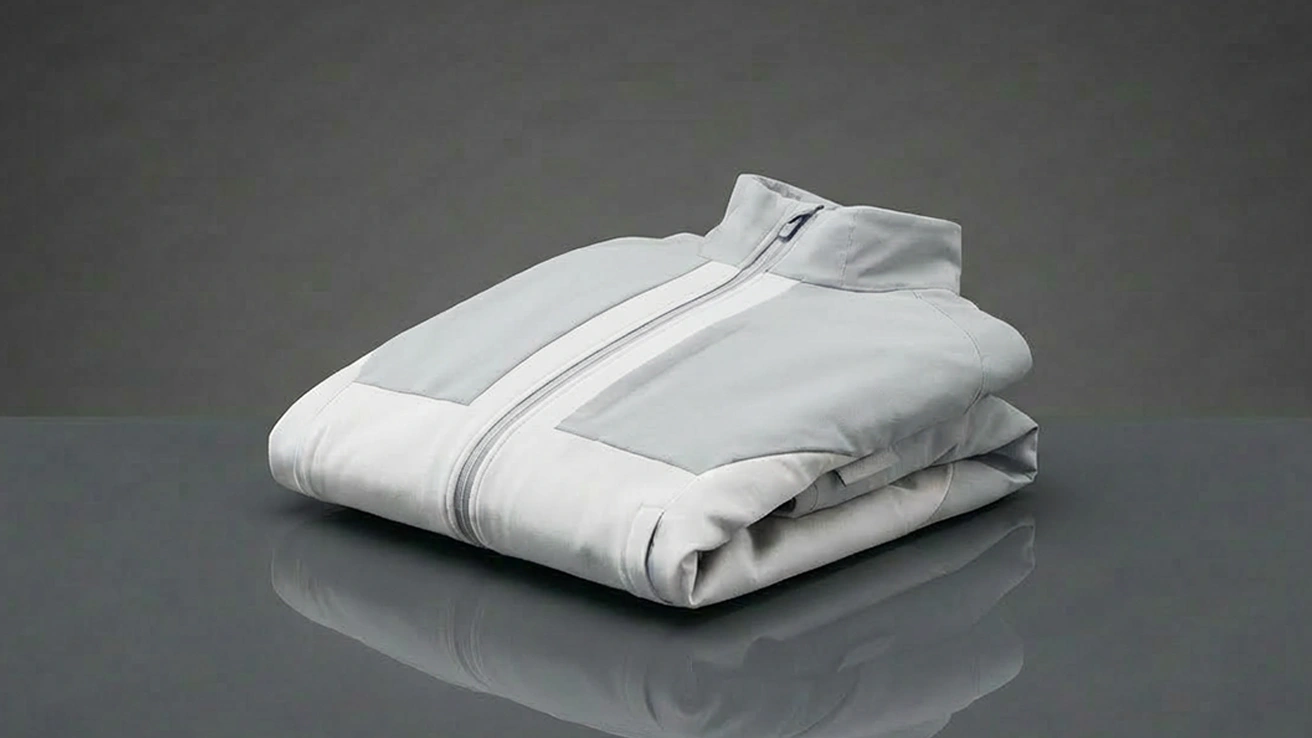
Comparative insight: a cold calculus
In the dim hours before dawn on a North Sea platform, garments must decide between fortress and feather — rugged batting that shields by volume or slender boot-grade insulation that guards by craft. This is the precise choice at the heart of comparing heavy batting with thin winter boot insulation for industrial apparel. Engineers and safety leads now examine trade-offs in R-value, thermal conductivity and compressive recovery while seeking practical thermal insulation solutions that do not choke movement. The comparison is not merely academic; it’s operational and urgent where wind-chill can shutter productivity.
Fit, mobility and human work
Bulked layers blunt joints and blur intent. Thin boot-grade insulation sculpts closer to the body, preserving range of motion. That translates to fewer caught sleeves, faster transitions on ladders, and reduced fatigue during long shifts. Designers borrow quilting techniques from footwear — narrow channels, targeted density — to maintain warmth where it’s needed. The result is a garment that behaves like armor but moves like a second skin. — A short aside: craftsmen often remark on the quiet satisfaction of a jacket that never gets in the way.
Thermal performance without excess
Thin insulating materials rely on different mechanisms than traditional insulating batt. Low thermal conductivity fibers, microcellular aerogel inserts and tuned phase-change material (PCM) layers concentrate protection with less bulk. These allow designers to target thermal bridges at seams and closures rather than filling the whole shell with mass. Similar principles appear in industrial partitioning: modern thermal insulation solutions echo across garments and facilities, including thermal insulated curtain material used in cold-storage docks to restrict conductive loss while keeping doors operable. Attention to air permeability and seam sealing becomes decisive; a modest R-value gains potency when drafts are arrested.
Durability, maintenance and lifecycle
Durability here has two faces: compressive resilience and resistance to particulate ingress. Heavy batting can mat and lose loft after repeated compression, collapsing thermal performance. Thin, engineered layers often show superior compressive recovery and faster drying times, which lengthens effective service life. Maintenance regimes shift: fewer bulky layers mean easier laundering and quicker inspections. In practice — for instance, winterized facilities in Norway — teams have seen turnaround gains simply because garments re-enter service faster and with consistent insulating properties.
Operational safety and efficiency gains
On-site, lighter insulation reduces entanglement risk and improves response times during emergencies. Tools are easier to grasp. Sensors fitted to modern workwear maintain contact with the body better when textiles are less bulky, aiding telemetry and physiological monitoring. The comparative analysis favors thin insulation where mobility, dexterity and sustained thermal protection are required together. Operational architects must balance R-value per unit mass against abrasion resistance and engineered reinforcements at high-wear zones.
Common implementation mistakes
Several pitfalls recur in the shift from heavy batting to thin insulation. Over-reliance on a single layer ignores thermal bridges at zippers and cuffs. Choosing low-density fills without addressing sewing needle perforations invites convective loss. Selecting high-tech materials without validating compressive recovery under field loads creates surprises. — Teams should prototype under real task cycles, not only in calorimetric labs.
Three golden rules for selecting thin-insulation workwear
Adopt these three metrics when choosing strategies or suppliers: 1) R-value per unit weight — prioritize materials that give measurable thermal resistance for less bulk; 2) Compressive recovery after repeated loading — ensure insulation retains loft through real work cycles; 3) Air permeability at seams and closures — treat draft control as the multiplier of any stated thermal rating. When these metrics align, the result is protective apparel that honors both warmth and work. The practical value is simple: fewer interruptions, consistent performance, clearer lines of sight and movement — qualities embodied in the design ethos of Y-Warm. — a final, low whisper of assurance