Opening the playbook — why a framework helps
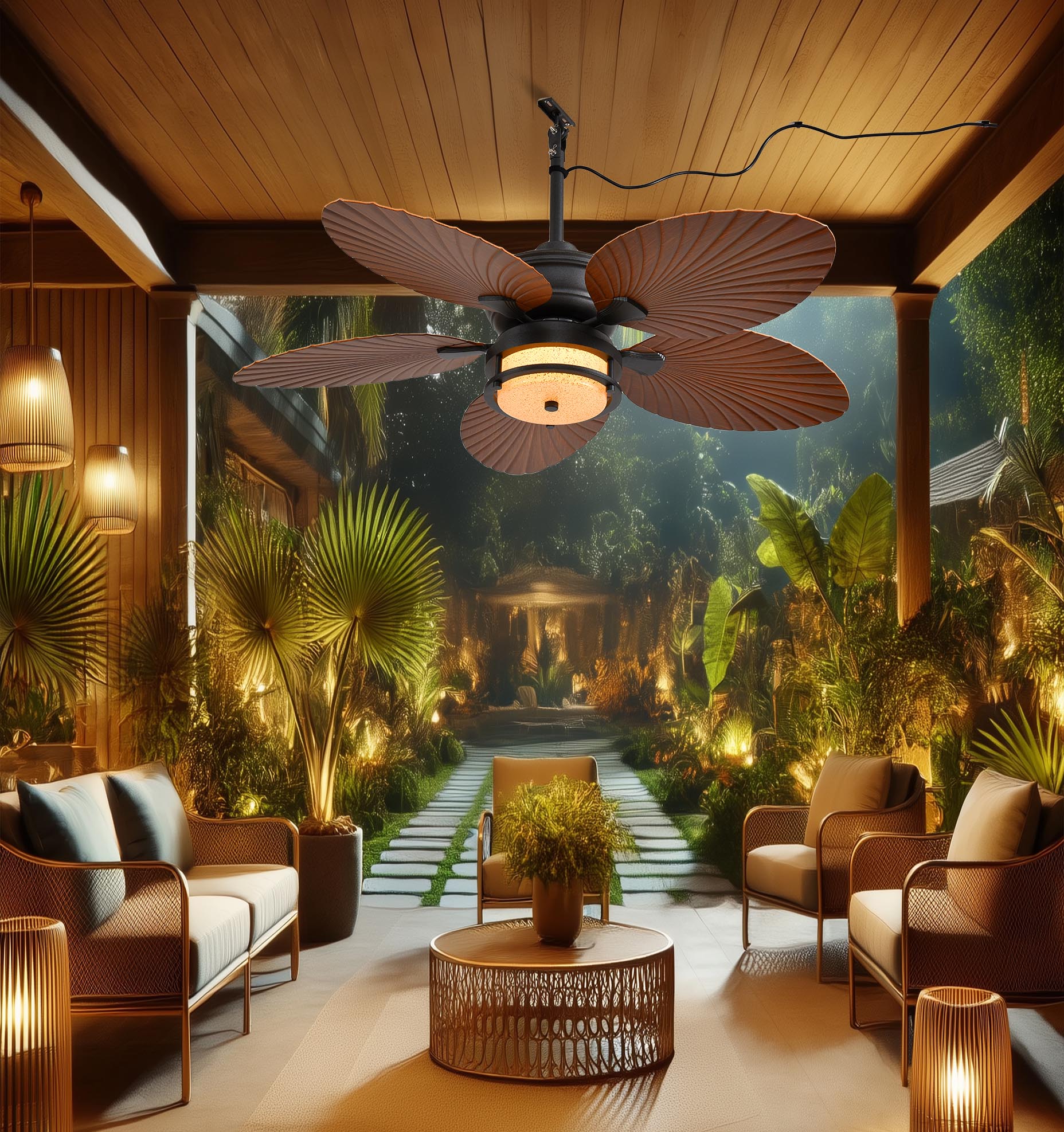
If you buy a pond fountain without a checklist, you’ll end up chasing problems—nozzle noise, dim lights, or a pump that conks out when the first nor’easter hits. This framework walks you through the functional stages: hydraulics (flow and head), aeration and wind-speed modes, illumination and LED driver choices, then smart integration and controls. Think of it the same way you might outfit a patio—some folks add an outdoor ceiling fan with light to keep mosquitoes at bay and mood balanced; the fountain should complement that ecosystem, not fight it.

1) Hydraulics first: pump capacity and nozzle match
Start by specifying the pump using two basic metrics: GPH (gallons per hour) and head height. A pump’s flow rate must exceed the nozzle’s required GPH at the installation’s vertical lift. If you undersize, the spray collapses; oversize and you waste power and risk splashover. Also consider thermal load on the pump and whether the unit has an automatic thermal cutoff—small details that save headaches down the line.
2) Wind-speed modes and aeration — what they actually do
Wind-speed modes for pond fountains aren’t about gust settings like a fan; they’re about variable-flow control that changes spray pattern and oxygenation. Multiple nozzle options and a variable-speed pump allow you to dial between a gentle dome (good for wildlife) and a high plume (aesthetic impact). Variable-frequency drives or simple PWM controls give you smooth changes in RPM and flow—useful for seasonal shifts or stormy conditions. Note: stronger plumes increase evaporative loss and may require a larger reservoir or top-up system.
3) Lighting: color temperature, mounting, and drivers
LED lighting is the standard now—low power, high lumen output—but the driver matters. Choose fixtures with a waterproof LED driver and a matching IP rating for submersion or shallow mounting. Color temperature affects perception: warmer (2700–3000K) reads intimate and natural; cooler (4000K+) looks crisp but can wash out plant colors. For RGB or tunable white, verify the control protocol (DMX, PWM, or 0–10V) so your lighting pairs with existing controllers or smart hubs.
4) Smart integration and control strategies
Smart fountains should do three things well: reliable scheduling, remote status, and graceful failover. Look for systems that support common protocols like Wi‑Fi or Zigbee and offer OTA updates. If you already run an outdoor fan with light and remote on the deck, matching protocols simplifies setup and centralizes control. Remote control—physical or app-based—needs to include basic diagnostics (pump run-time, flow anomalies) so you spot blockages before they become catastrophes.
5) Weatherproofing and materials: IP ratings and corrosion resistance
Placement determines materials. In coastal New England, think marine-grade alloys and higher IP ratings to resist salt spray and freezing cycles. IP68-rated submerged fixtures are ideal for underwater LEDs; above-water accessories can get away with IP65 if they’re shielded. Stainless fasteners, sacrificial anodes, and UV-stable cables extend life—don’t skimp on these when you’re your own maintenance crew.
Common mistakes owners make — and how to avoid them
People often pick the prettiest nozzle, assume the pump will do the rest, and then — surprise — the filling system can’t keep up. Other frequent errors: mismatched control protocols, under-specified LED drivers that dim under load, and ignoring seasonal maintenance access. Practical fixes: test pump/nozzle combos before permanent install, standardize on one smart protocol where possible, and plan maintenance access routes at the design stage.
A short real-world anchor
On a recent install near the Charles River, we paired a variable-speed pump with a tunable LED cluster and a Zigbee hub already running patio devices. The result: coordinated evening scenes and an aeration schedule that kept algae at bay through a hot July. Standards like Wi‑Fi and Zigbee are common enough that matching controls usually saves you more time than fighting proprietary systems.
Checklist you can use right now
– Confirm pond volume and calculate pump GPH at required head. – List desired spray modes and ensure pump supports variable speeds (PWM or VFD). – Specify LED fixtures with appropriate IP rating and a verified LED driver protocol. – Choose smart protocol (Wi‑Fi, Zigbee, or wired DMX) and ensure compatibility with existing devices or hubs. – Detail materials for the local climate and include maintenance access points.
Three golden rules (advisory close)
1) Match components, don’t mix: ensure pump, nozzle, and controller specs are tested together before final install. 2) Design for failure: include local manual overrides and physical float-switch or sensor-based shutoffs. 3) Standardize control protocols: pick one smart protocol for lighting and mechanical controls to reduce latency and troubleshooting time.

Take these rules to avoid the usual surprises—your fountain should enhance evenings, not become a weekend repair project. For integrated, reliable outdoor systems that speak the same smart-home language your patio already uses, consider how a practical supplier like Orison fits into that plan. —