A model-by-model review of Industrial Heating Elements begins with supplier questions for early research
When system integrators compare industrial heating elements, the first task is not to pick a model from a short list. It is to define the machine conditions that the heater must meet. Early supplier questions should connect the intended heating method, available electrical supply, target temperature, space, airflow, and operating cycle. This creates a useful starting point without treating a general product description as proof of suitability.
Clarify the decision before comparing models
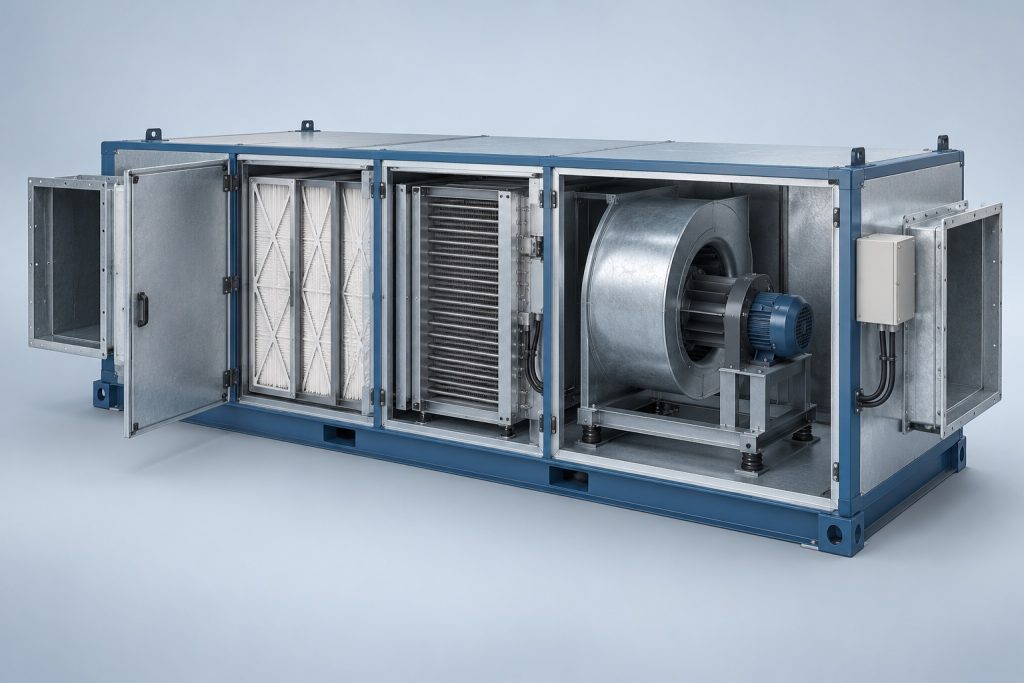
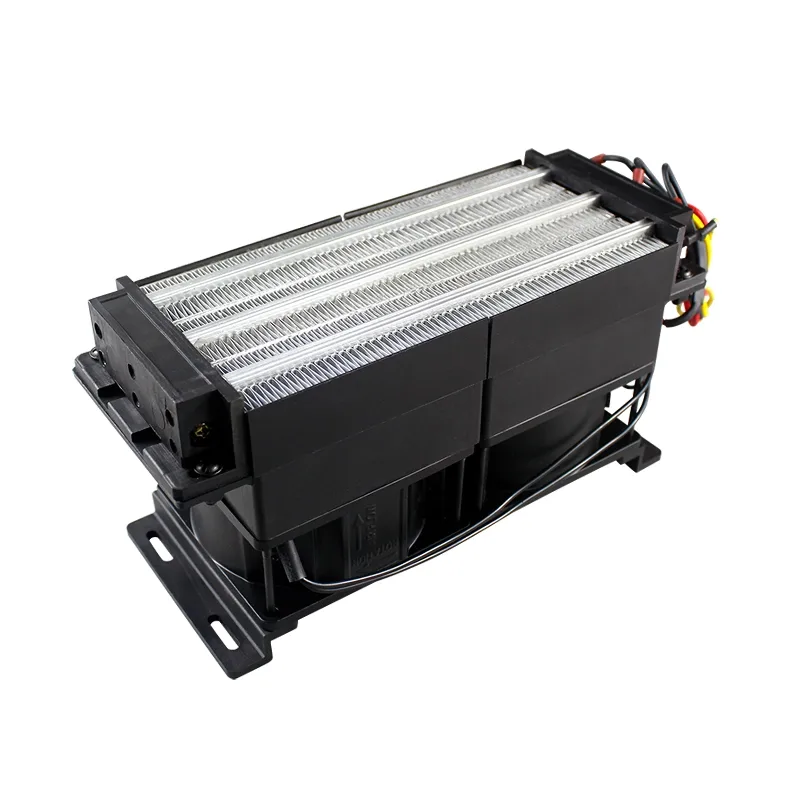
Start by describing what must be heated and where the heat must go. A component or surface that can accept a suitable mounting interface points toward contact heating. A cavity, duct, or equipment compartment may instead require an air heater so heat can travel through the space. This distinction is more useful than comparing wattage alone because it connects the element to the physical job inside the machine.
Record the operating conditions before asking for a recommendation. The relevant points include supply voltage, target temperature, minimum ambient temperature, operating cycle, warm-up time, and the heated load. Also note insulation, heat loss, and airflow. These conditions affect the required output, so the element should be considered as part of the complete machine rather than as an isolated component.
Enclosure dimensions are only one part of the picture. Two machines with similar internal dimensions may have different heat loss, airflow, insulation, or loading conditions. A concise requirements sheet should therefore describe the machine’s operating environment and the heating task together. Include dust or moisture exposure, installation limits, required protection, and expected order quantity when they are known.
- What supply voltage, target temperature, minimum ambient temperature, operating cycle, and warm-up time define the machine requirement?
- Is the heating task applied through a suitable contact interface, or must heat travel through a cavity, duct, or equipment compartment?
- What insulation, heat loss, airflow, and heated-load conditions affect the required output?
- Can the supplier review an equipment drawing together with installation limits, required protection, and expected order quantity?
- Will samples be evaluated in the target machine before production, with electrical, temperature, and installation details confirmed?
Build a comparison framework that suppliers can answer
Use the same questions for each candidate or supplier. First, ask whether the proposed configuration matches the heating location: contact heating for a suitable surface interface or air heating for a cavity, duct, or compartment. Next, ask how the electrical specifications relate to the machine supply. Then record the target temperature, ambient range, warm-up requirement, operating cycle, airflow data where applicable, and heated load.
A practical framework should separate stated information from open engineering questions. One column can record what the page or supplier has actually specified. A second can list the machine requirement. A third can identify what still needs to be tested or confirmed. This prevents a model name, a nominal wattage, or a broad application label from becoming an unsupported conclusion.
A useful real-world anchor is the official machine-equipment heating page’s operating guidance. It says to specify supply voltage, target temperature, minimum ambient temperature, operating cycle, and warm-up time. It also states that insulation, heat loss, and airflow affect required output, so wattage should be evaluated in the complete machine. That boundary matters when reviewing an industrial heater element: the page supports these operating questions, not a blanket claim that one configuration will work in every application.
Avoid conclusions that the evidence cannot support
Do not rank models solely by a single number. A higher stated wattage does not, by itself, show that the element is the right choice for a particular enclosure, airflow pattern, heated load, or cycle. Likewise, enclosure size alone does not establish the required heater power. Keep those conclusions open until the proposed configuration is considered under the machine’s operating conditions.
Be equally careful with application labels. A description of an industrial drying cabinet can show a relevant use context, but it does not establish performance for another cabinet or process. Treat page-listed examples as scope indicators. Match them to the actual heating location and operating requirements rather than extending them to an unlisted design.
Prototype evaluation is the point where assumptions become testable. The supplied guidance recommends evaluating samples in the target machine before moving to production. During prototype testing, confirm electrical specifications, temperature performance, and installation details. Record the configuration used and the conditions under which it was evaluated. This creates a clearer basis for a production discussion than a comparison made from catalog wording alone.
Carry the requirements into procurement
Send the supplier an equipment drawing and state the heating method, target temperature, ambient range, warm-up requirement, and operating cycle. Add airflow data where relevant, dust or moisture exposure, installation limits, required protection, and expected order quantity. This information gives the supplier a defined technical context and reduces the chance that a generic response will be mistaken for a complete recommendation.
Keep procurement records organized around the same comparison fields used during early research. Preserve the drawing, the stated machine conditions, the proposed configuration, and the prototype findings. Before agreeing on OEM supply, align the configuration, order quantity, and delivery requirements with the tested design. The goal is not to make the earliest comparison look final; it is to make the next supplier conversation precise.
A sound review of industrial heating elements therefore begins with the machine, not the model number. Define the heating location, operating conditions, load, airflow, installation limits, and test plan. Then use supplier questions to distinguish documented details from assumptions and carry the tested requirements into procurement. PTCYIDU can be included in that early research as the named supplier context, while the final decision remains tied to the complete machine and its documented evaluation.