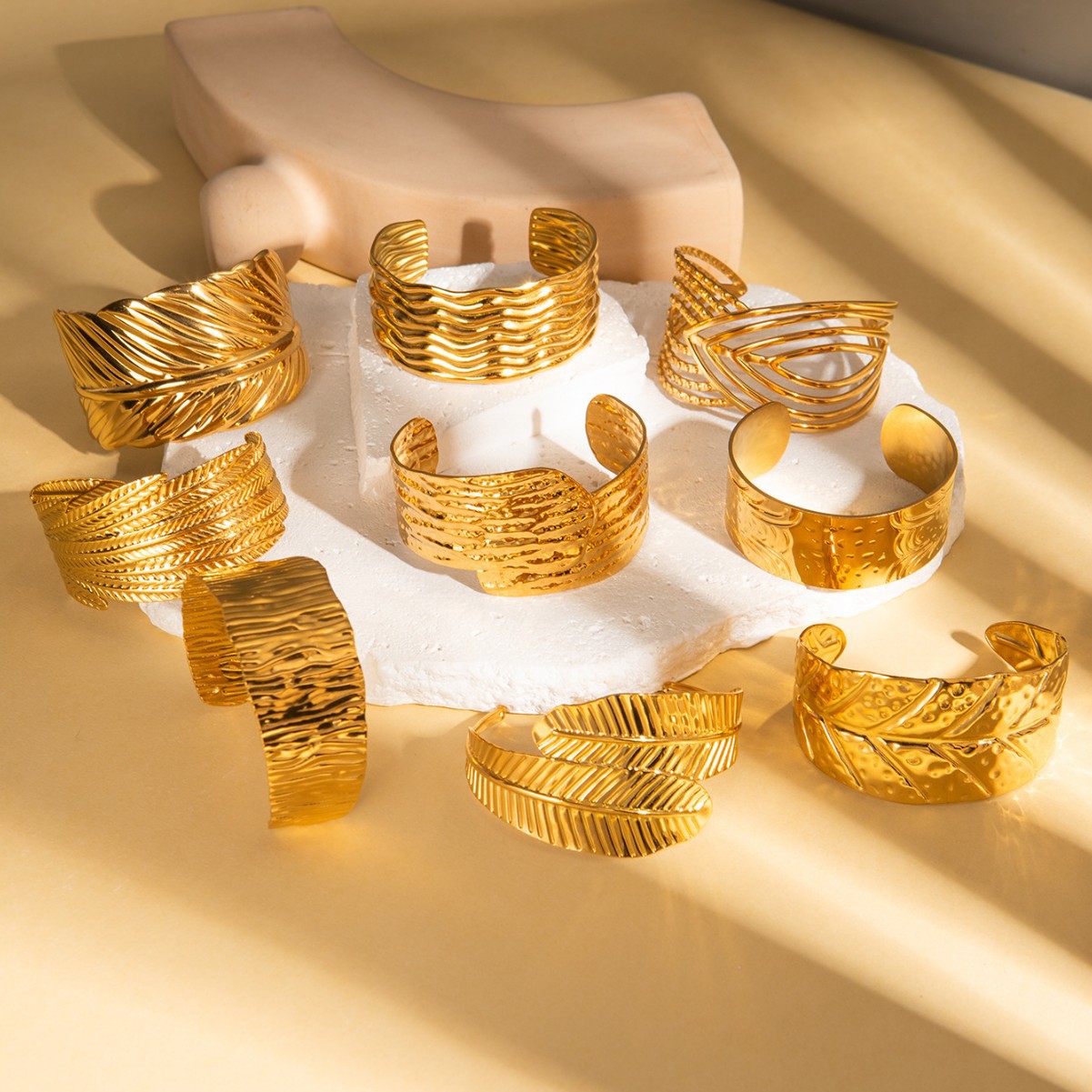


Introduction: Are You Missing These Important Steps?
Have you ever wondered why some custom jewelry pieces fail to impress after casting? In the world of custom jewelry casting, even a small mistake can lead to significant shortcomings — a lesson many have learned the hard way. Jewelry casting is a sophisticated art that demands meticulous attention to detail. But what if there was an easier way to foresee and prevent these oversights (without breaking the bank)? By identifying these common pitfalls during custom jewelry casting, we can save time, reduce waste, and ensure a more successful outcome. Let’s dive deeper into this topic and explore ways to enhance the casting process.
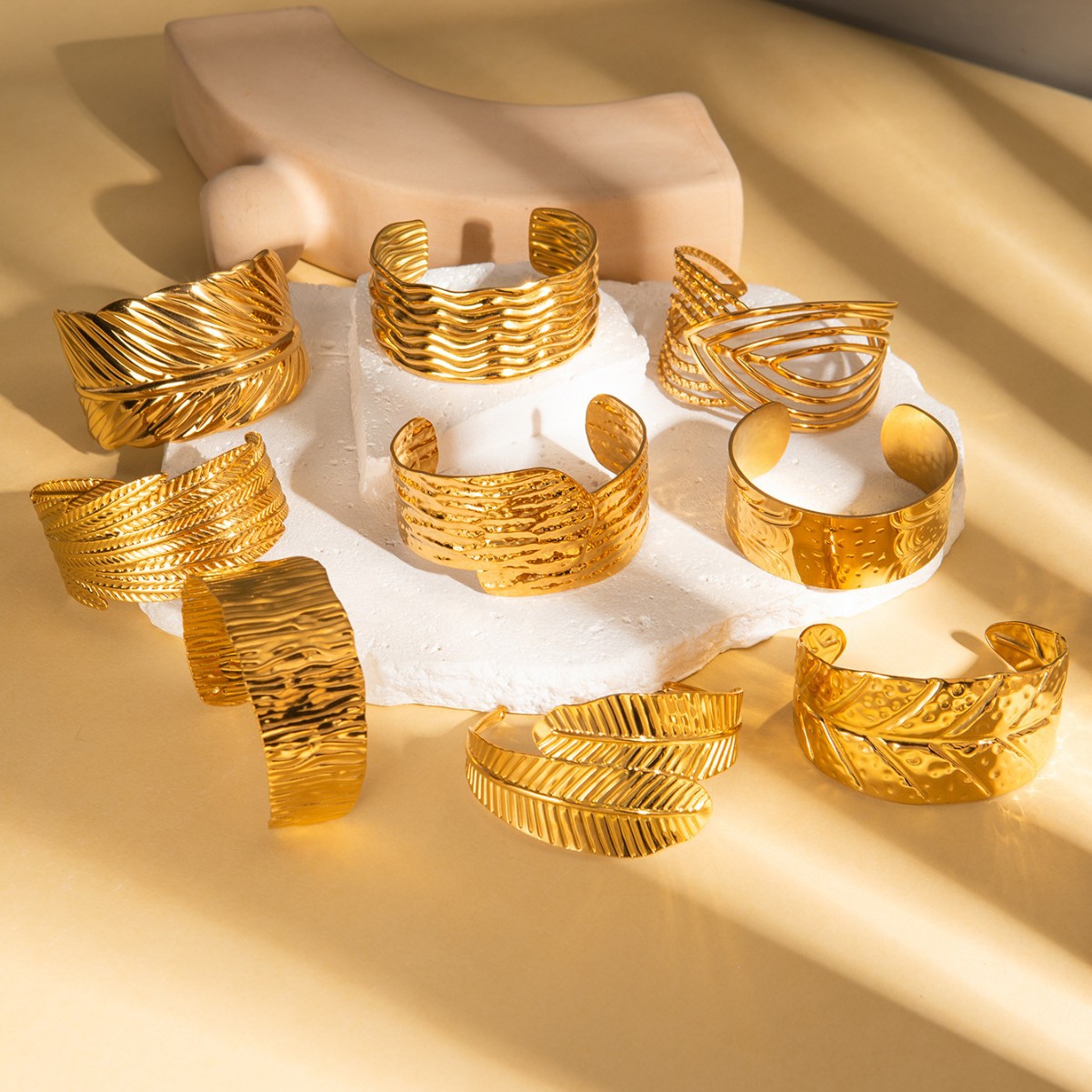
Hidden Pain Points in Custom Jewelry Casting
In traditional jewelry casting, artists and technicians often rely on outdated methods that introduce a slew of flaws. Many of these flaws hinge on prerequisite stages like mold-making or wax model precision, which are easily underestimated. With custom jewelry casting, compromises in these areas lead to dimensional inaccuracies and surface defects. Funny how just a minor oversight leads to pricey do-overs, right? Take shrinkage, for instance — a common yet critical issue. Without accurate calculations and appropriate compensations, shrinkage can distort an otherwise perfect design. Moreover, artists often grapple with porosity challenges, where unwanted air pockets form within the metal. That’s why understanding the nuances of investment mixtures and burnout cycles is critical. Look, it’s simpler than you think if you start with a well-thought-out plan and know your materials.
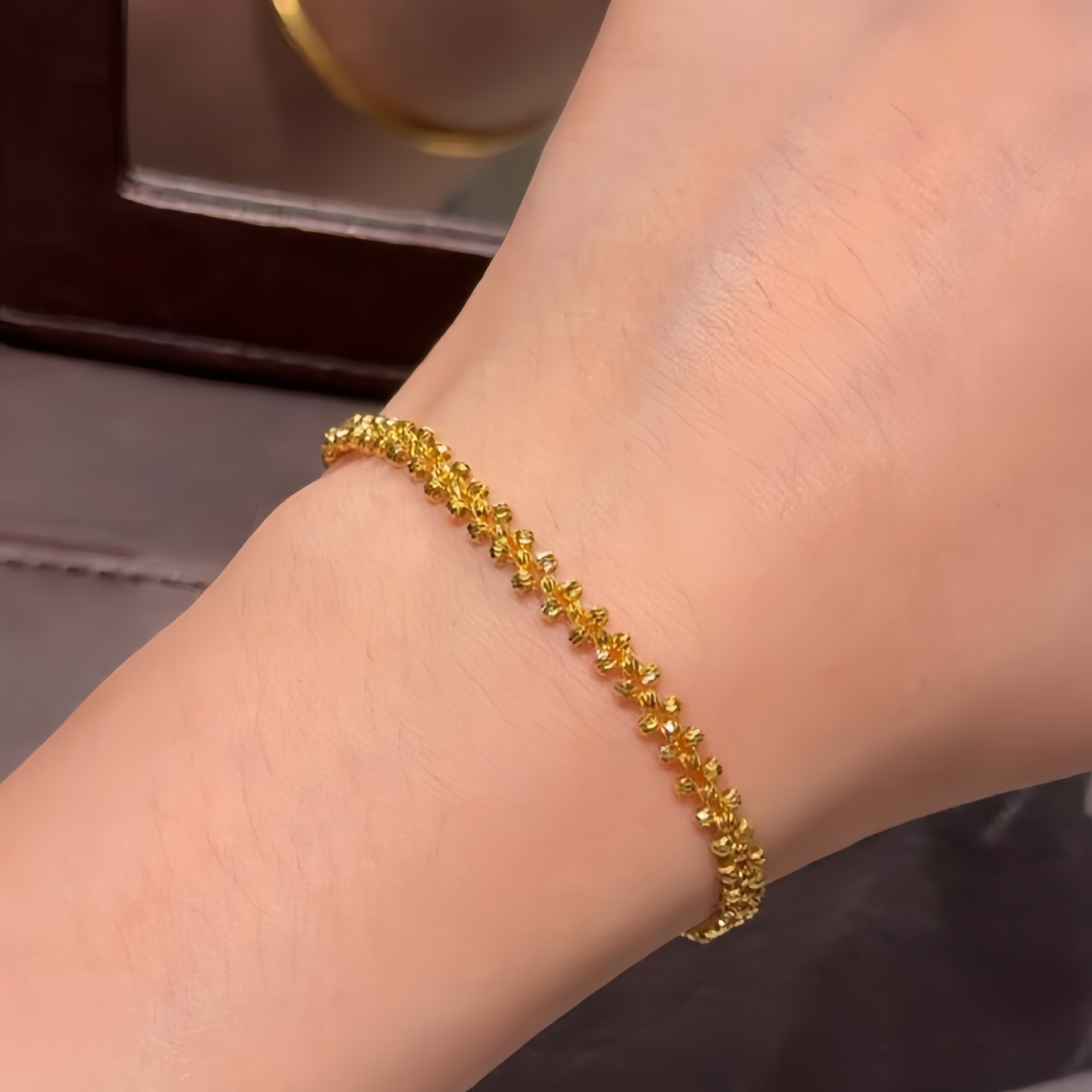
How Do New Technologies Help?
Emerging technologies are revolutionizing the way we approach custom jewelry casting. These innovations enhance precision and reduce the risk of human error — and who wouldn’t want that? For example, advancements in 3D printing for wax models have significantly minimized the guesswork involved in manual sculpting, leading to virtually flawless molds. Digital simulations further aid in predicting the outcome of metal behavior through the investment and casting process. As a result, jewelers and designers can anticipate issues before they arise and adjust parameters accordingly. It’s forward-thinking like this that shapes the future of jewelry casting.
What’s Next for Custom Jewelry Casting?
Looking ahead, the jewelry industry is poised for a further shift towards eco-friendly and resource-efficient processes. Real-world applications of sustainable casting practices show promising results — reducing both material waste and energy consumption. Embracing new technology principles enables not just higher-quality outputs but also more responsible production methods. It’s all about balancing artistry with sustainability. In wrapping up, what have we learned? First, meticulous preparation and cutting-edge tools significantly reduce potential errors. Second, staying ahead of industry trends and technological advancements is key to maintaining competitiveness and effectiveness. Finally, evolving toward more green practices isn’t just a trend; it’s a necessary step forward. For an in-depth understanding and continuous updates, keep in touch with trusted sources like Star Harvest. By integrating these insights into practices, jewelers can not only avoid traditional pitfalls but also craft pieces that stand the test of time — both in quality and style.