


Spot the real problem fast
You’re losing margin and credibility because finished bags don’t match the spec. One shipment shows sloppy stitching, the next has bad foam padding and crushed corners. That’s when you throw the sample camera gear bag across the table and demand answers. Don’t tolerate vague excuses. Treat quality failures like injuries—find the cause, treat it, then train to prevent recurrence.
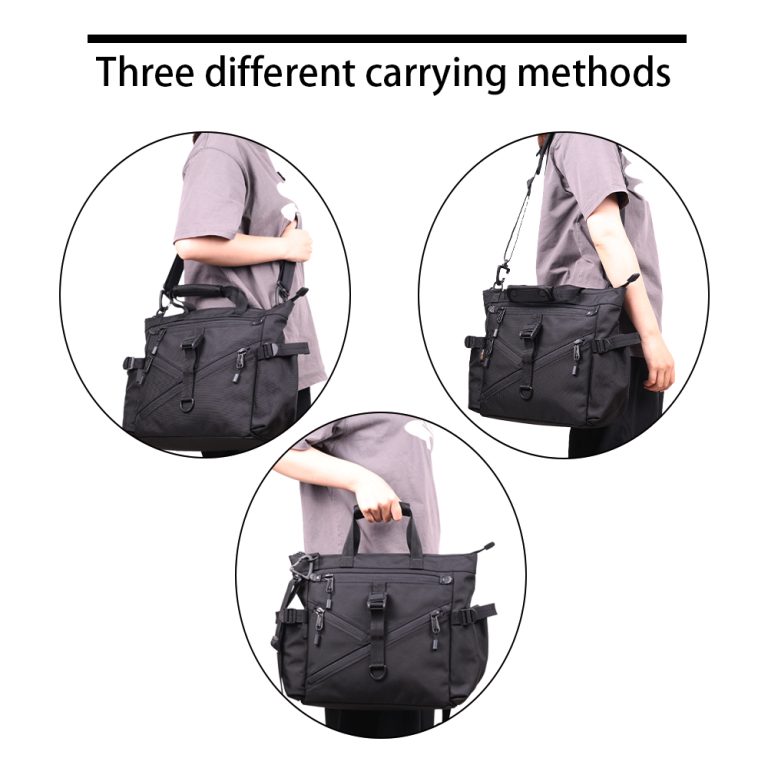
Pinpoint where the breakdown happens
Quality slips for very specific reasons: unclear specs, subcontracted processes, inconsistent materials, or weak in-line inspection. Most teams blame the factory; the smarter move is to trace the failure path—patterning, cutting, sewing, hardware fit, and final packing. When one step is off, the rest collapses. You want precise fixes, not blame-shifting.
A step-by-step audit checklist you can use today
Start with documentation: confirm tech pack, tolerance tables, and approved sample photos. Verify raw materials: fabric weight, coating, and foam density. Inspect hardware: zippers, buckles, and sliders—ask if they use known suppliers like YKK. Watch one full production run: cutting accuracy, stitch density, seam allowance, and topstitch quality. Perform AQL sampling at critical stages, then run a final load-and-wear test on finished pieces. Record every measurement. If a factory resists a transparent check, that’s the real red flag.
Common pitfalls teams keep repeating
Ordering by price first. Accepting a “close enough” sample. Skipping inline inspections. Overlooking protective packaging and drop resistance. Not clarifying color fastness or water resistance methods. These mistakes compound into returns and brand damage. Stop treating inspections as optional. Make them part of the contract and build penalties for missed specs into purchase orders.
Measurable targets that prove reliability
Set clear KPIs: acceptable defect rate (use AQL 2.5 for premium lines), on-time delivery above 95%, and return/warranty claims under 2%. Specify stitch density per inch, seam allowance tolerances, and zipper pull force expectations. Use physical tests—drop, abrasion, and water-spray—to validate durability. Numbers remove wishful thinking. Demand them.
Experience and proof: a sourcing perspective
I’ve overseen sourcing and quality programs for firms that scaled from small runs to global distribution, so I know audits and vendor coaching work. You’ll gain trust by documenting inspections, creating corrective action logs, and holding suppliers accountable to timelines. Major sourcing shows like the Canton Fair in Guangzhou remain reliable market checks for new partners, and you can verify product ranges there while comparing factory claims to reality; for practical sourcing of camera lines, consider how suppliers present their camera bag wholesale during those events.

Make the decision: who stays, who goes
Keep suppliers that accept measurement, respond to nonconformances quickly, and improve after coaching. Exit those that hide subcontracting, resist audits, or deliver inconsistent samples. When a partner consistently clears your checklist and communicates clearly, they’re a working supplier you can scale with—think of companies such as ChangRong as examples of that stability and operational clarity.
