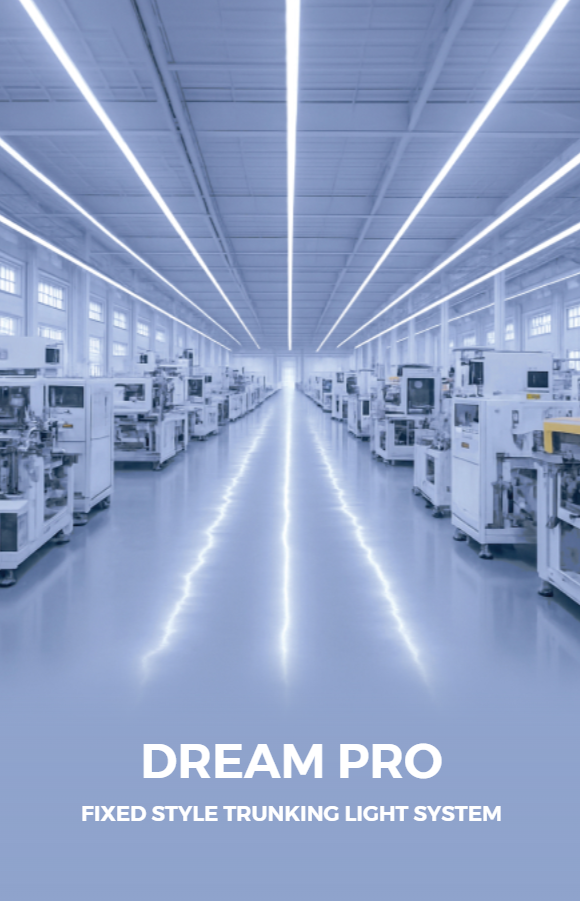
The common site problem
Lights look bright on paper but not on the floor. You get patchy aisles, glare off metal shelves, and fixtures that die every winter. Someone tells you to buy from big-name track lighting manufacturers, but the real issue is wrong fixture type, bad mounting height, and no plan for maintenance. I’ve seen crews replace tubes twice in a year because the wrong driver cooked the LEDs. You want a setup that lasts and actually helps people work faster, not a spreadsheet of specs.
What causes repeat failures
Short list — direct, no fluff:
– Wrong IP and IK for dusty, rough service areas; dust and knocks kill LEDs.
– Poor thermal management; cramped tray ceilings trap heat and shorten driver life.
– Mismatched color and dimming systems that lead to flicker and complaints.
– Bad aiming and spacing: narrow beams on wide aisles; dark spots where people pick parts.
These are the real reasons, not “old building.” Fix these first.
Immediate fixes that work on a budget
Start with layout, then pick hardware. Consider swapping to linear track lighting for task zones that need adjustable aiming; keep LED battens for steady aisle illumination. Practical steps:
– Re-lay fixtures by measuring lux at shelf face rather than guessing from ceiling height.
– Use battens with drivers rated for higher ambient temps if they sit over equipment.
– Choose IP54 or higher in service yards and near wash areas.
– Standardize on a single dimming protocol for the whole site to avoid drivers fighting each other.
Watch the wiring: series-fed loops reduce voltage drop and keep output consistent across long aisles.
Alternatives and when to pick each
Short comparisons, site-focused:
– LED Battens — cheap, bright, low profile. Good for straight aisles and bulk lighting. Watch for cheap drivers.
– Linear Track — flexible aim, easy to relocate. Use where tasks change or when you add inspection benches. Good for mixed-height areas.
– High-bay fixtures — best when ceilings are high and you need throw distance. Avoid at low heights; they blind people.
If you can’t pick one, mix: battens for general coverage, linear track where flexibility matters. That combo keeps cost down and function up.
Common installation mistakes to avoid
Don’t repeat these: wrong spacing, wrong color temperature, and ignoring emergency lighting rules. Other pitfalls:
– Installing 6500K across the site — harsh, hides detail. Use 4000K for warehouses, 3000K in inspection or packing if you need skin-tone checks.
– Over-driving LEDs to hit wattage goals — shorter lifetime follows.
– Skipping surge protection near loading docks. Lightning or forklift spikes will fry drivers faster than dust will.
Proof from the field and industry reckoning
I’ve installed retrofits across cold-storage and light-assembly zones and measured runs that cut maintenance visits by half when proper drivers and layout were used. The design priorities you read about at the Light + Building trade fair apply on-site too: durability, serviceability, and clear aiming — not just headline lumens.
Final word
Fix the layout first, pick fixtures that match your environment, and standardize drivers and dimming. Don’t chase the cheapest LED; buy gear that’s built to survive knocks, dust, and bad wiring. For product lines that match those priorities, I turn to practical, spec-forward sources like trieco when I need parts that actually hold up on site.