


Introduction — a shop story with a number and a question
I was leaning over a run-of-the-mill turret, watching chips curl like confetti after a long weekend — and thinking, not again. CNC turret lathe systems were humming, yet our line still lost time to setup and tool swaps (the boss muttered a 17% downtime stat that stuck with me). Data-wise: even small shops report double-digit downtime from slow tooling changes and poor spindle tuning. So, why do so many shops keep chasing the same fixes and getting the same small gains? I want to dig in and share what I see — practical, simple, and a bit honest. Next, I’ll peel back where the real problems hide and what we can actually change.
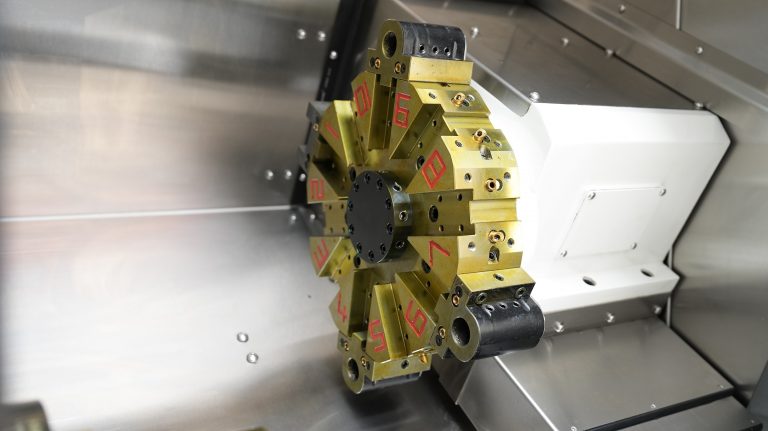
Part 2 — Why the quick change tooling system often misses the mark
quick change tooling system sounds like the cure-all. In theory, swap time drops, accuracy rises, and throughput follows. In practice, shops still wrestle with alignment drift, inconsistent tool clamping, and confusing indexing steps. I’ve seen teams buy the latest tooling racks only to watch operators wrestle with repeatability — the turret clicks, but the spindle runout remains. Look, it’s simpler than you think: a tool that isn’t seated the same way every swap ruins part tolerances. We call this out as a tooling-system flaw; it’s not sexy, but it costs hours. (Yes — annoying, right?)
Here’s the technical core: most quick-change setups trade a tiny bit of rigidity for speed. The tool post and collet interfaces must match exact specs; if they don’t, you get chatter, poor surface finish, and scrap. I focus on three weak spots I see repeatedly: poor repeatable indexing, inadequate clamping force control, and tooling geometry mismatch. When any of those occur, the spindle and turret—both key terms in our field—suffer performance hits. I don’t just complain; I test mounting cycles and measure runout. Then we tweak torque specs and add simple gauges. It works more often than not — and it’s cheaper than swapping machines.
Why does this still happen?
Mostly human factors and sloppy specs. New tooling systems arrive with glossy manuals. Operators learn by habit. Calibration gets skipped. So the best quick-change designs still need shop discipline. I’ve coached teams to log swaps, use simple checklists, and spot-check collet seating. Those small steps cut variability fast.
Part 3 — Looking forward: tech trends and how to choose the right machine
Now let’s flip to the future — or at least what’s worth buying this year. I see two clear paths: first, smarter control of the tooling interface (sensors that confirm seating, torque monitoring); second, better integration at the machine level like adaptive spindle control and feedback loops that catch vibration before it ruins a part. If you’re browsing for a bigger upgrade, consider a vertical lathe for sale that pairs robust turret architecture with built-in diagnostics — the difference shows up in fewer stoppages and less scrap. I’ve tested machines that log tool life and predict replacement windows; that predictive layer saves hours and cuts surprises. — funny how that works, right?
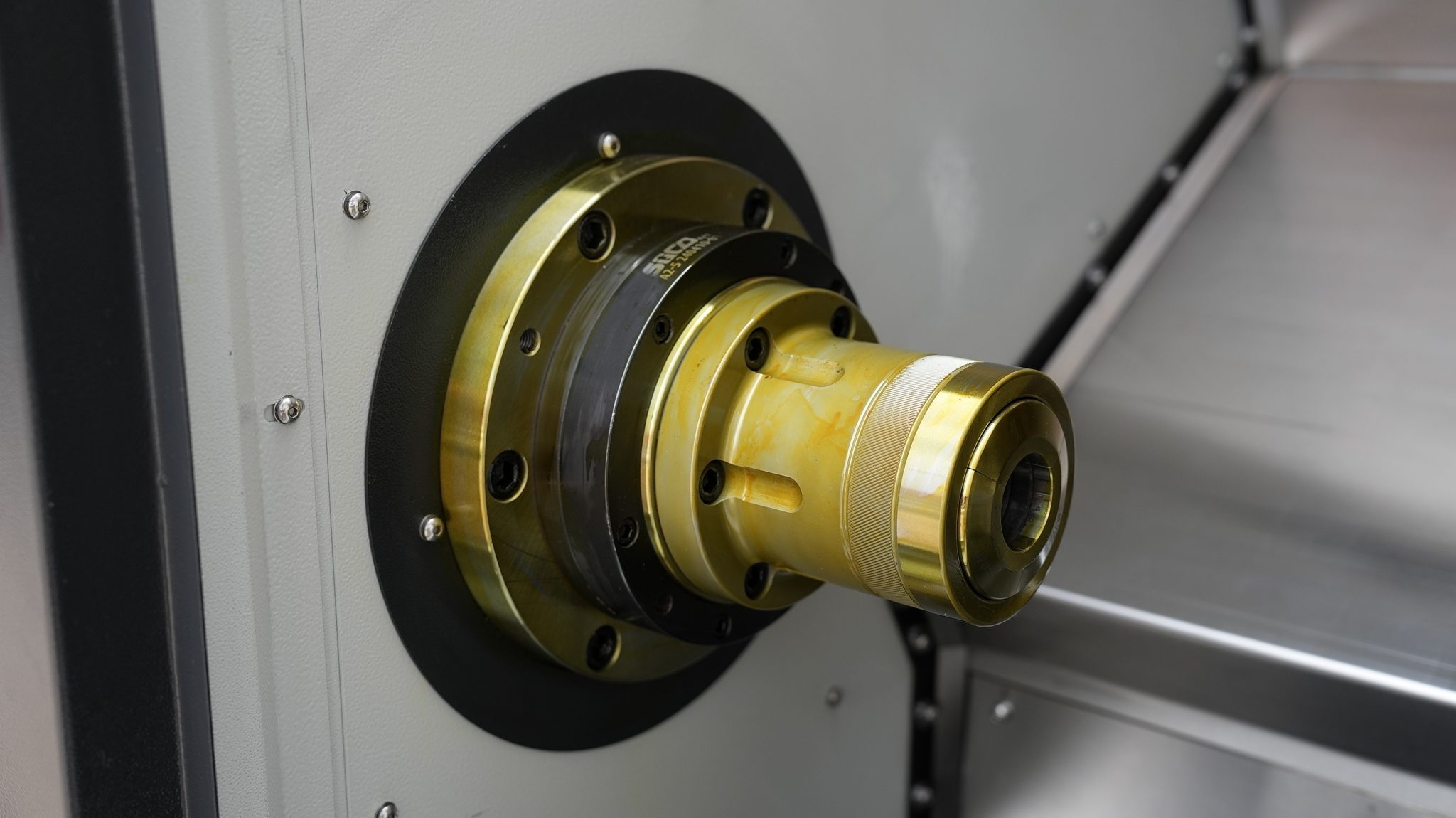
Compare features, not just brand names. Look at spindle stability metrics, turret indexing repeatability specs, and whether the machine supports simple tooling verification steps. I want to be practical: don’t chase fancy screens. Instead, ask three measurable questions before you buy (I’ll list them next). This keeps you focused on real returns, not marketing gloss. We ran a side-by-side on two units last quarter and the one with better tooling feedback beat the other by 12% in throughput — measurable, repeatable gains, not just claims.
What’s Next?
Choose machines and systems by these three evaluation metrics: 1) Indexing repeatability (microns or agreed tolerance), 2) Tool clamping verification (torque or sensor feedback), 3) Integrated diagnostics (vibration/spindle monitoring and simple logs). Test a demo part with your tooling and your setups; that test tells you more than brochures ever will. I speak from hands-on runs and shop days; if you want a template for those checks, I can share one that saved us hours per week.
Final thought: upgrades don’t have to be dramatic. Small fixes to your quick-change routine and smarter buying metrics move the needle. We’ve done it. You can too. For solid machines and tooling-ready platforms, I keep coming back to trusted vendors — checked and proven in my runs — like Leichman.
