The problem, curt and unsurprising
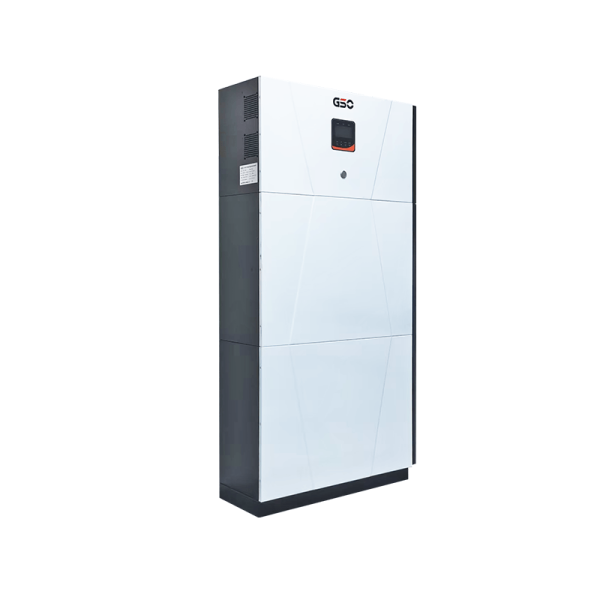
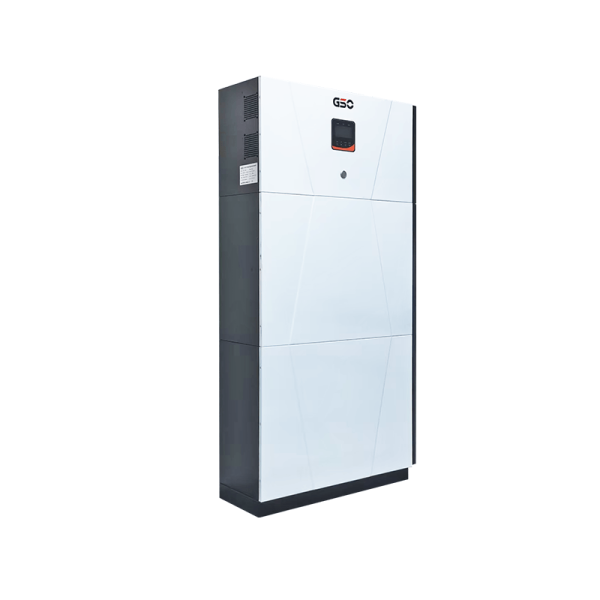
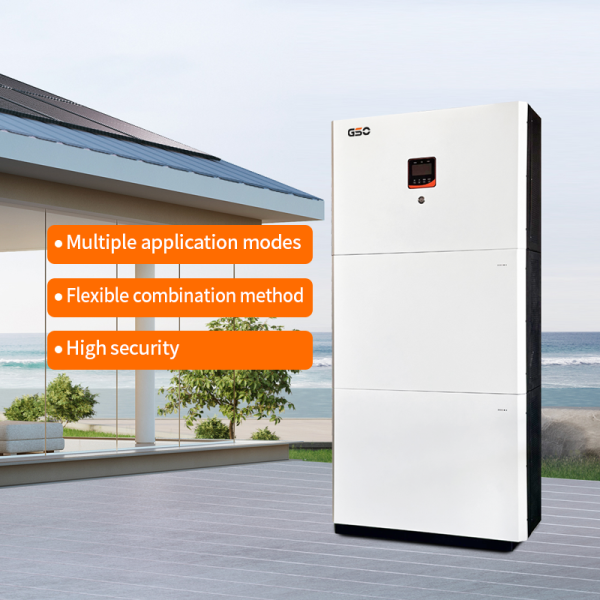
Homeowners rave about solar returns until they actually run the numbers and discover a payback period that could politely be called glacial. Add a battery and the timeline sometimes doubles — thrilling. The Texas power crisis of February 2021 made one thing obvious: people want reliability and savings, not a lecture on kilowatt-hours. If you’re trying to accelerate that slow burn, combining a smart all in one storage approach with policy-aware strategies helps. Treat the hardware like a tool and the rules like the trapdoor — for example, an integrated all in one energy storage unit can reduce complexity and shave months off your ROI when deployed correctly.
Why payback often stalls
Most delays come from three predictable sources: weak net metering credits, poor system sizing, and tariff structures that penalize export during peak value times. Net metering reforms and time-of-use rates have lowered the value of exported solar in many markets, so a system that simply sends everything back to the grid is no longer a fast track to savings. Then there’s the technical side — oversized PV arrays with undersized battery inverters create a mismatch that wastes potential and drags on efficiency, which is measured by round-trip efficiency and how well you avoid demand charge spikes.
Smart storage strategies that actually shorten payback
Stop pretending a battery is a sunscreen for an unplanned burn. Use these tactics instead:- Peak shaving: configure the battery to shave the highest consumption slices daily to avoid demand charges; that’s where big dollars hide.- Time-shift and TOU arbitrage: charge during midday excess PV production and discharge during expensive evening hours to exploit time-of-use spreads.- Export control and self-consumption: limit grid export when net metering credits are low and prioritize on-site load, especially for HVAC and EV charging.- Right-size the stacked PV and energy storage pairing: don’t buy the biggest battery because it sounds heroic — match PV output, battery capacity, and inverter rating to your load profile.These moves require attention to the battery inverter settings and system control logic — technical, yes, but not mystical. — Trust the math, not marketing hype.
Common mistakes that keep payback slow
Installers and owners fall into repeating traps: buying the wrong capacity, neglecting firmware and energy management updates, and ignoring tariff structures. Overlooking operational software means missing optimization windows; neglecting the inverter’s export limits can turn a potential savings engine into a slow leak. Many also underestimate maintenance and the impact of round-trip efficiency on usable energy — those losses add up over years.
Policy and pricing: the invisible hand
Net metering rules, time-of-use rates, and demand charge policies are the silent governors of ROI. Markets that cut export credits or favor TOU pricing shift the advantage from pure PV export toward self-consumption plus smart storage. That’s not bad news — it just means the right configuration matters more than ever. Real-world events like Texas 2021 showed households prioritizing backup and peak control over simple export revenue; that behavioral shift changes what systems pay for themselves fastest.
Three golden rules to evaluate systems and speed your payback
1) Measure expected avoided costs, not just energy produced. Calculate how much you avoid paying for peak energy and demand charges when the battery discharges — those avoided costs are the real return drivers.2) Match inverter and battery ratings to the stacked PV output and your load curve. Correct sizing reduces clipping and maximizes round-trip efficiency, which matters over every cycle.3) Prioritize integrated control and firmware support. Systems with smart energy management deliver predictable peak shaving and TOU arbitrage; that predictability converts into months shaved off payback.If you follow these metrics, an integrated solution becomes less of a gamble and more of a predictable expense reduction — and that’s where gsopower shows up as a practical option for deploying stacked PV plus storage with sensible controls. Final thought — act like you expect your system to earn money, not just look impressive on the roof. —