


Introduction
Have you ever wondered why two factories with similar budgets end up with very different output and waste levels? (I have—more than once.) In many plants the wet tissue machine sits at the heart of daily output, yet decisions around upgrades often miss simple signals. Recent factory audits I read show yield gaps of 6–12% between lines that look the same on paper. So what really explains that gap—and what should you pay attention to first?
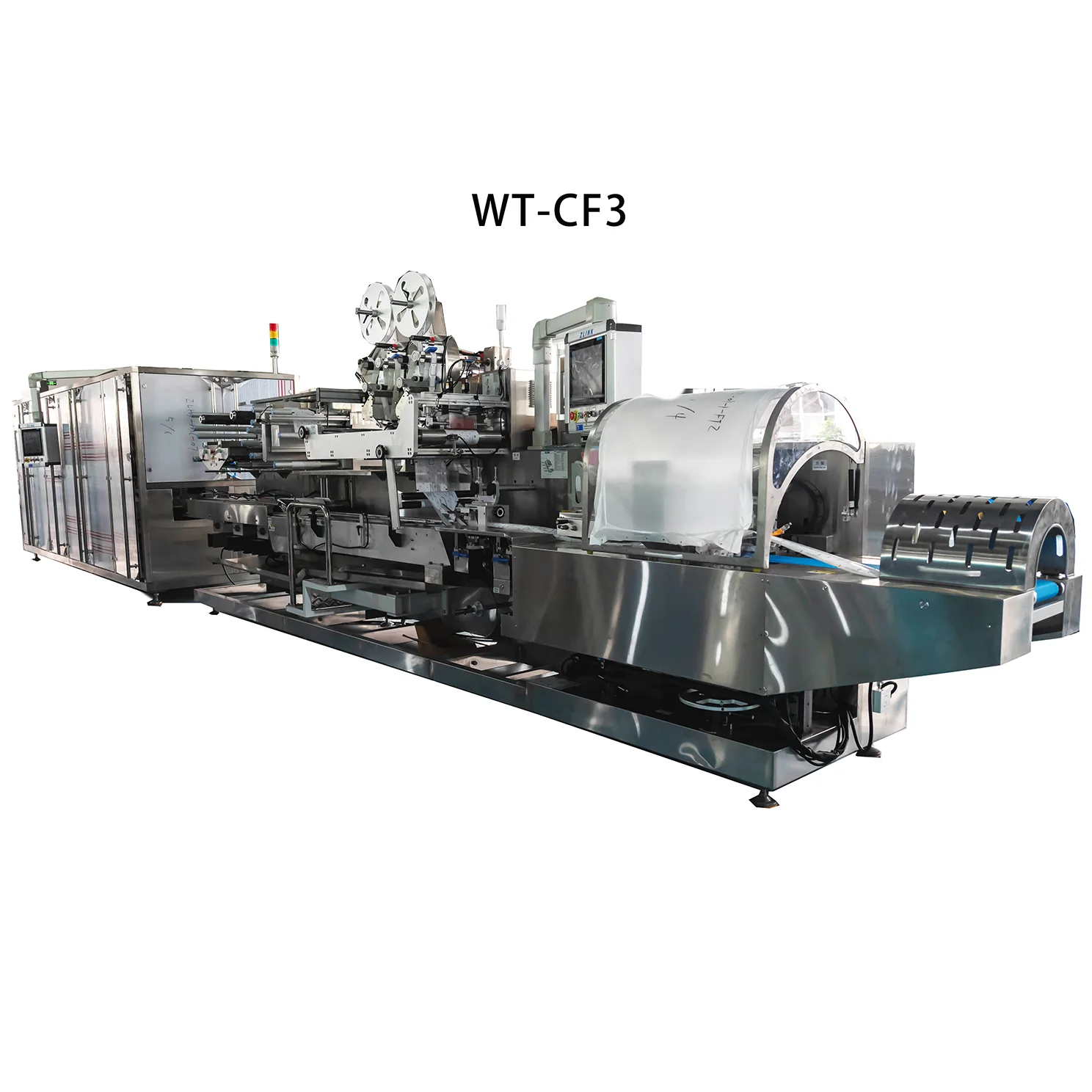
I write this from hands-on experience and from quiet visits to production floors. I want to be direct: small process choices add up fast. This piece will walk through hidden pains, technical fixes, and practical metrics so you can compare options with less guesswork. Next, I’ll dig under the hood—let’s look at the common flaws that trip teams up.
Part 2 — Hidden Flaws and User Pain Points
personal care wipes makers often focus on speed. I get it—higher speeds sell more. But I’ve seen lines where speed came at the cost of inconsistent sheet quality and frequent jams. That hurts both yield and morale. The classic culprits? Outdated PLC control strategies, wear on the perforation die, and mismatched servo motors. These cause micro-tears, edge irregularities, and uneven wetting. Look, it’s simpler than you think: producers ignore small vibration or feed variations until they become big problems.
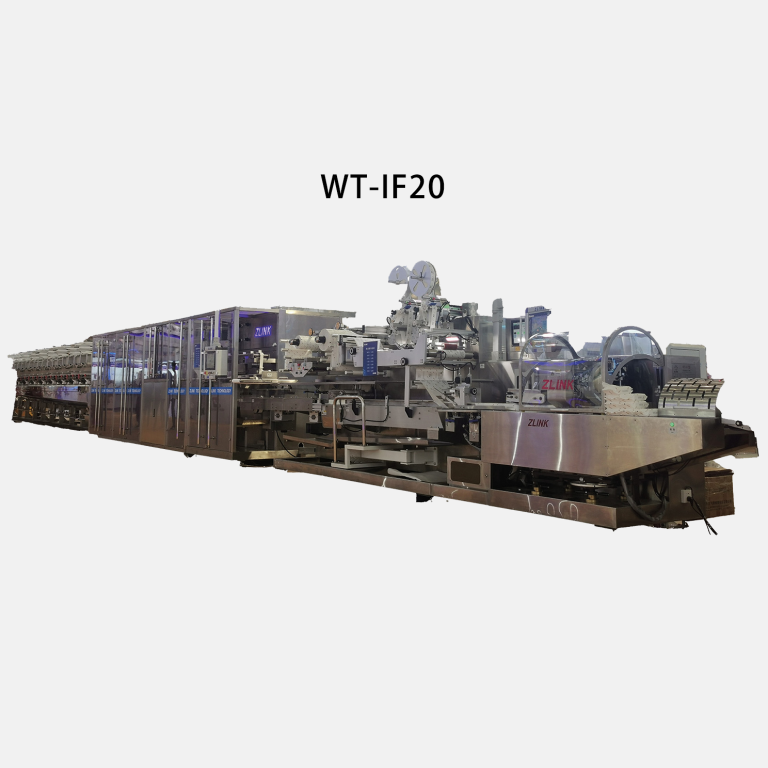
Why don’t teams spot these earlier?
Partly because many operators trust legacy setpoints. They assume the old recipes are fine. I’ve talked to technicians who said, “We never change the recipe; it worked for years.” But what changes—web tension, roll diameter, even room humidity—are small. And yet they shift the process window. The rewinder may seem fine until the core is poorly seated. Then scrap rises. If you want to keep waste down, you must watch the small stuff: sensor drift, sync errors, and maintenance skips. I’ve learned to look for these early. They’re subtle but fixable. — funny how that works, right?
Part 3 — New Technology Principles and What to Evaluate
Now, let’s talk solutions in plain terms. New principles that matter are closed-loop control, modular automation, and smarter sensing. Closed-loop means you don’t just set a speed; the system reads tension and adjusts via the servo motor and PLC in real time. Modular automation lets you upgrade a station—say the rewinder or the cutter—without ripping out the whole line. Smarter sensors (including edge computing nodes) let you catch defects at the first sign, not after five minutes of bad output. These are not fantasies. I’ve seen modest investments return in months.
What’s Next?
For manufacturers of personal care wipes, think of upgrades as targeted moves. Replace or reprogram the PLC, add inline vision, or improve power converters to stabilize motors. Each change changes the risk profile. I prefer phased trials: one shift on the new control logic, then a week of data. You’ll see differences in scrap, downtime, and operator confidence. Measure, tweak, repeat. It’s practical, honest work.
To help you decide, here are three metrics I use when evaluating a line upgrade: 1) Effective yield gain (net increase in sellable sheets per hour), 2) Mean time between shutdowns, and 3) Return on adjustment cost (months to payback). Use these to compare vendors and options without fluff. In my view, the best choices balance quick wins with longer-term flexibility. If you want a partner who knows the machines and the math, check the maker behind much of this work: ZLINK.
