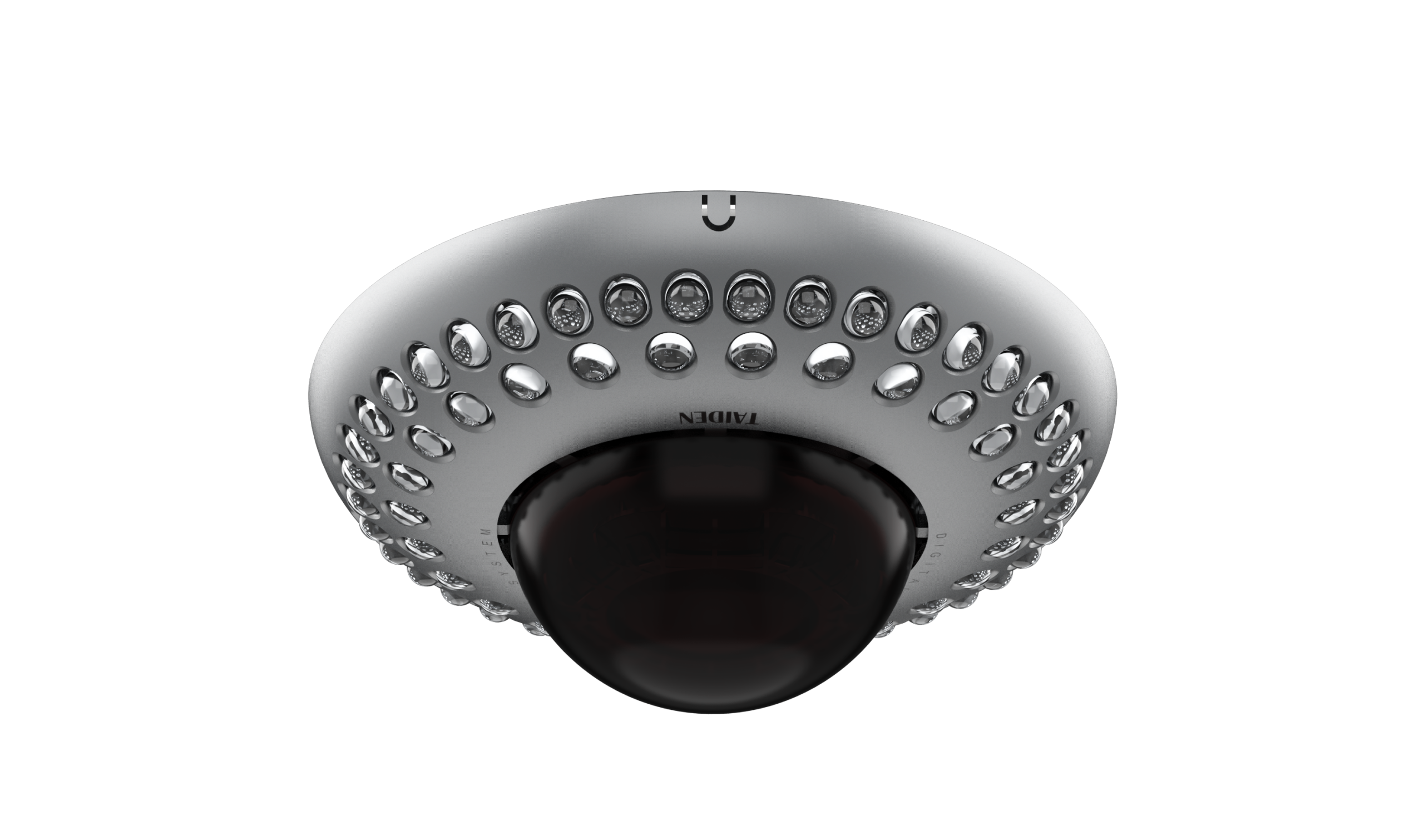
Where Traditional Wireless Trips Up
Cut the noise and keep the minutes clean. In any busy venue, a wireless conference system can act up when the airwaves get crowded. Picture a budget review in a glass-walled room, laptops open, phones buzzing, and then the mics start to sputter—aye, not a proper job at all. That’s where an infrared wireless conference system shows its worth. The usual RF stack struggles with interference from Wi‑Fi, DECT, and rogue hotspots. The RF front-end gets hammered, and you hear it as dropouts or dull, gated sound. Data backs it: high-density 2.4/5 GHz spaces push duty cycles to the brink, which increases latency jitter and wrecks QoS. Direct question, then: why keep chasing channels instead of blocking the problem at the door?
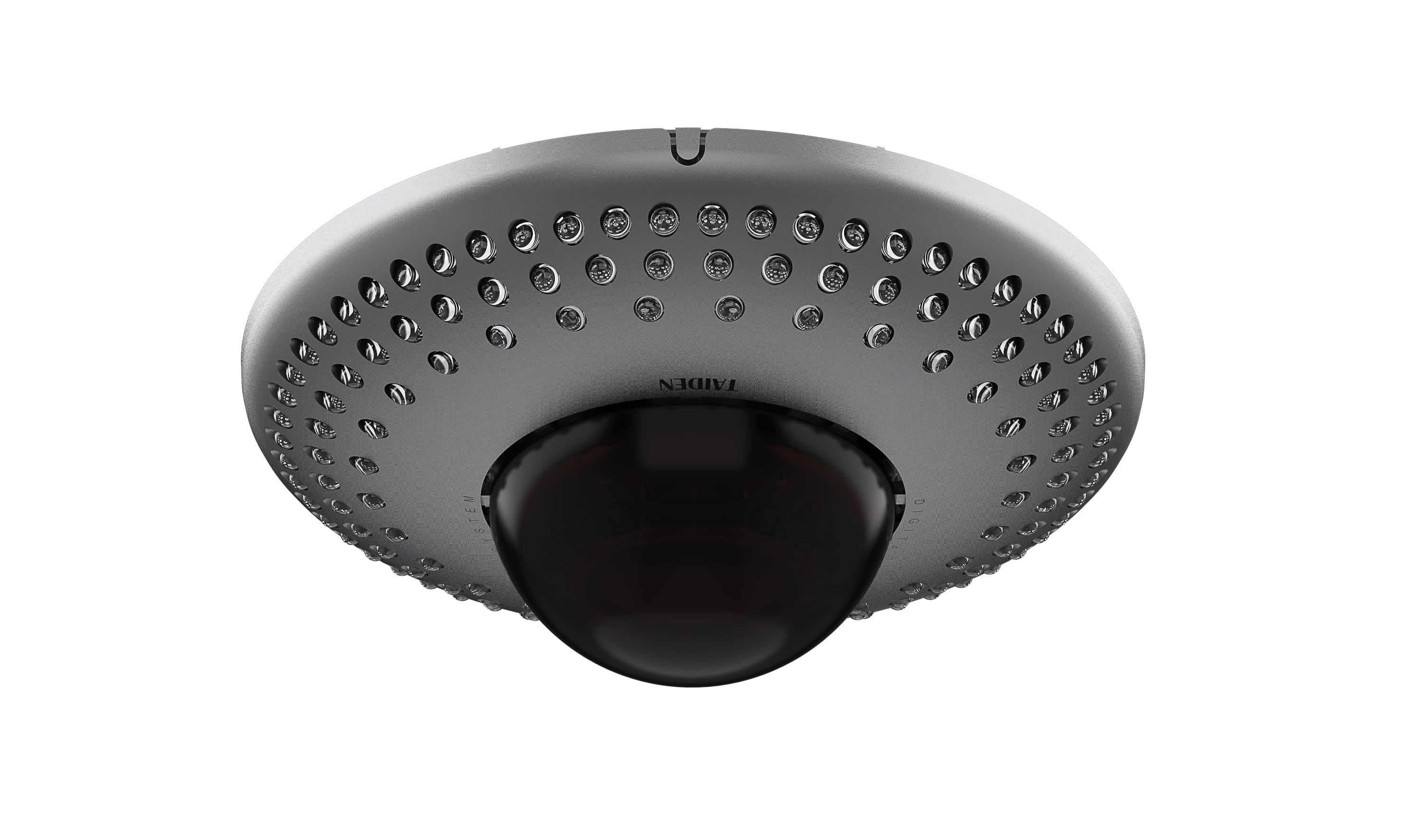
Infrared takes a different path: light, not radio. Because IR doesn’t pass through walls, it can’t leak into adjacent rooms (or out to the car park—funny how that works, right?). That fixed boundary gives you predictable coverage and low noise. It also reduces the need for constant frequency coordination. Look, it’s simpler than you think. Traditional RF adds layers—more scanning, more filters, more gain juggling—just to stand still. Each extra layer adds cost and failure points, from power converters that run hot to DSP chains stretched thin by corrective EQ. Meanwhile, meetings want steady speech gain, stable AEC, and no surprises. The deeper flaw isn’t only interference; it’s the system overhead needed to fight that interference, minute after minute, day after day.
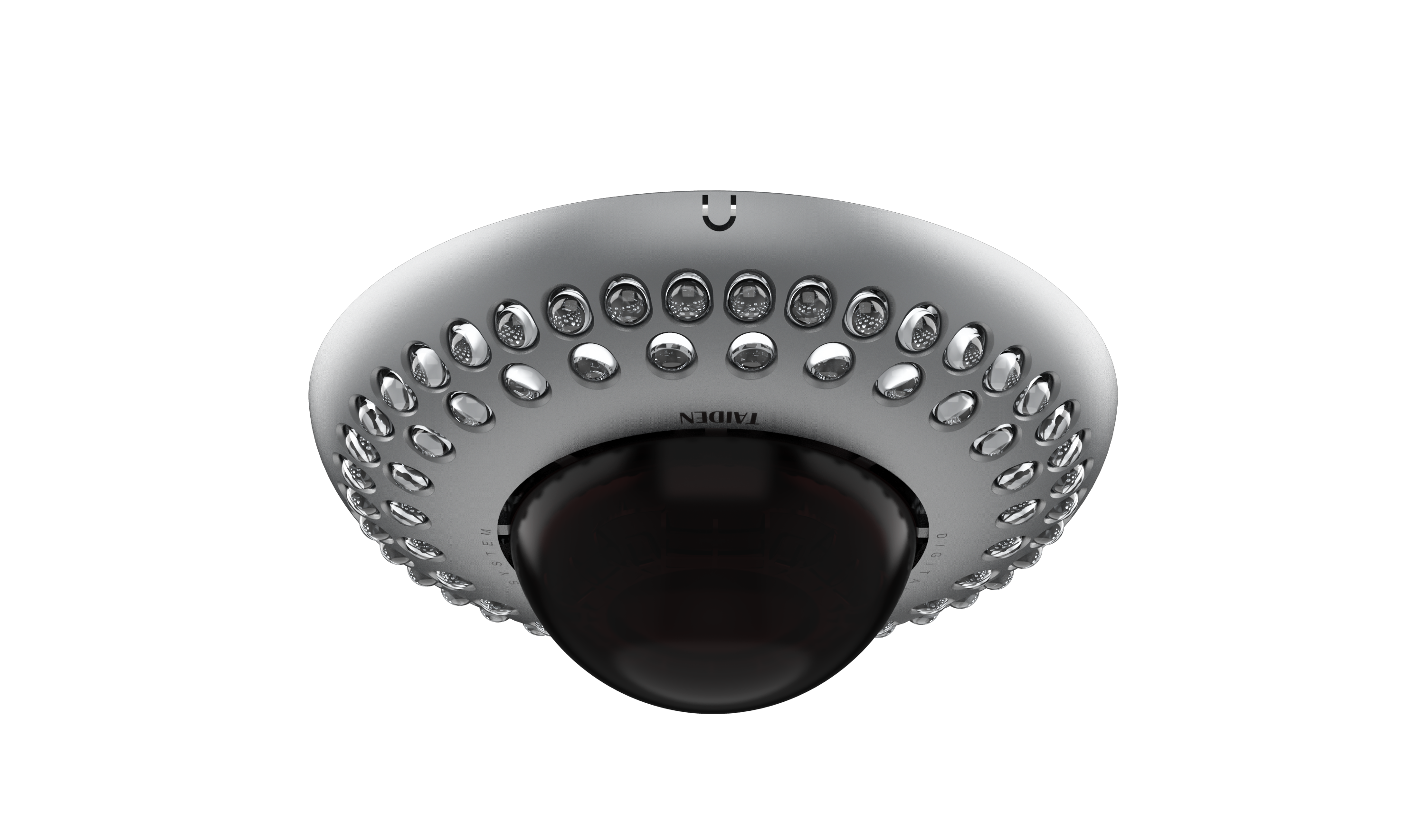
What’s breaking, exactly?
Three quiet culprits: spectrum congestion, security spill, and drift. Congestion hits the RF front-end first and forces ugly compromises in companders and dynamic range. Security spill means radio can jump borders; you then rely on encryption alone rather than physics. Drift is tricky—thermal changes and crowded RF raise error rates and, in turn, nudges latency. None of those help intelligibility or trust in the room.
Forward-Looking: Principles That Put Infrared in Front
The next step is not more knobs—it’s better physics. Infrared uses line-of-sight and controlled reflections, so coverage can be mapped like light plots. That makes capacity planning cleaner and makes DSP tasks—AEC, noise suppression, beamforming—more consistent across seats. With table units acting like edge computing nodes, the system can handle gain sharing and voting logic close to the mic, then hand off clean audio upstream. Add deterministic timing and you trim latency jitter at the source. Pairing with a wireless gooseneck microphone system brings focus: cardioid capture, reduced desk noise, and stable phase response. Encryption still matters (AES-256 is common), but the first shield is the wall itself—light stops where glass and paint say so. That’s simple and strong—proper job.
What’s Next
Expect smarter arrays and better control loops. Beamforming aligned with IR zones can auto-steer to the active talker without chasing RF glitches. Power management will improve too, with cooler power converters and longer runtimes per charge—small wins that add up over a full council session. Compared with the older radio-first model, you get fewer variables, a smaller interference space, and steadier QoS. In short, the room behaves. Summing up the earlier points without repeating them: RF kept you busy; IR keeps you calm—and your minutes stay clear and complete. To choose well, use three simple checks: 1) Coverage certainty—can you model sightlines and confirm SNR at every seat? 2) Latency discipline—end-to-end stays stable under load (no jitter spikes during full talk-time). 3) Security by design—physical containment first, then encryption and role-based control. Do that, and your next vote or budget hearing runs on time—funny how that works, right? Learn more at TAIDEN.