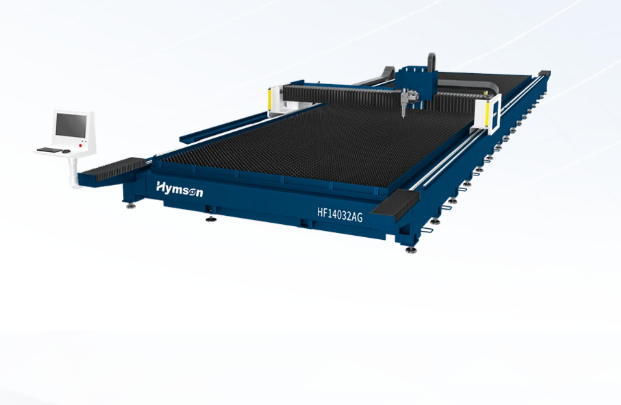
How to Pick Sheet Metal Automation When Downtime Is Eating Your Margins
What’s the real problem?
Your shop loses hours—not minutes—waiting on parts, swapping fixtures, and babysitting machines. You want faster cycle times without turning the floor into a Rube Goldberg machine. If you’re considering Laser Cutting Automation to speed things up, don’t assume any conveyor or robot will do. You need choices that match part mix, tolerances, and the way your crew actually works.
Diagnose before you spec
Start by mapping where parts stall: loading, cutting, or unloading. Measure typical setups and scrap rates over a week. Ask: are operators juggling batches of similar parts, or is the job list full of odd sizes? Automation that helps a repetitive run can make sense; throwing the same system at a heavily mixed schedule just creates more hand-offs and confusion.
Experience, expertise, and a real test
I’ve seen straightforward fixes that mattered: better part nests, simple trays, and synchronized conveyors. At FABTECH in Chicago, major vendors demonstrated how a compact loading unloading system reduced operator touchpoints on busy lines—proof you can evaluate hardware in one place and compare cycle improvements side by side. Look for vendors who can show cycle charts from real installs, not just glossy renderings.
Common mistakes shops make
People overspec robotic reach, under-spec sensors, or ignore material handling. Don’t pay for a six-axis arm when a gantry with a smart gripper solves the job. Avoid designs that require constant human intervention for part orientation. Also, don’t skimp on guarding and part detection—missed jams are where downtime spikes, not where savings happen.
How to test a candidate system
Run a realistic sample: load the worst part from your mix and time ten cycles. Check how the system handles slugs, warps, and odd profiles. Ask about spare parts lead times and remote diagnostics. If the supplier offers on-site commissioning, test that playbook: proper installation and training usually separates reliable uptime from novelty equipment.
Alternatives worth considering
If full automation feels oversized, look at semi-automated pallets, flexible trays, or quick-change fixtures. These add throughput without a big control-system lift. For high-mix shops, modular cells that let you add a feeder later keep capital spend sensible and let you learn the traffic patterns before committing.
Final take
Fix the bottleneck first, pick hardware that matches your mix, and insist on real-cycle data from proven installs. When the goal is fewer touches and predictable throughput, choose partners who back their systems with service and measurable results—like the integrated solutions Hymson that show up in real shop floors and trade-floor demos.