


Why bad tank mixing is a real pain
Clumps, dead zones, product separation—yeah, those hit margins hard. Small batches scale weird. Receipts say one thing; samples say another. If you’re chasing consistency, a Jet Mixer often fixes the root cause: poor fluid motion. Quick note: this is about solving flow, not overcomplicating the tank.
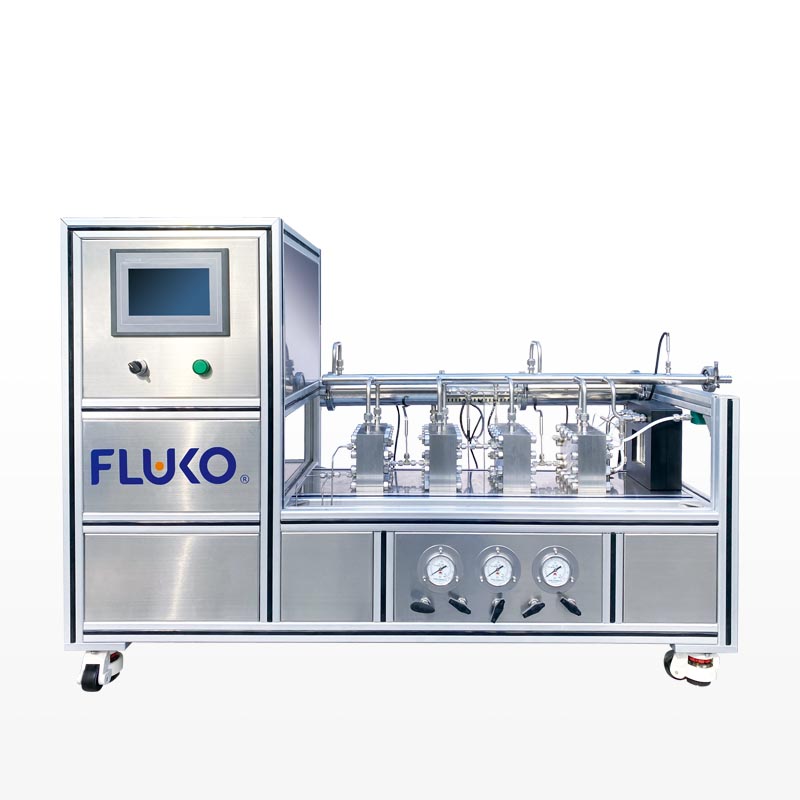
What a jet mixer actually does (short)
It shoots a high-velocity stream into the tank to pull and recirculate fluid. That creates strong circulation without spinning huge impellers. Use it for dissolving powders, keeping suspensions uniform, and preventing thermal stratification. Works well when you need focused shear but not full-blown high-pressure homogenization.
How to pick the right one — problem-first checklist
Start with the trouble you’re fixing. Want solids kept suspended? Go for higher flow and multiple nozzles. Need gentle blending of shear-sensitive material? Lower velocity, bigger nozzle. Tank size, liquid viscosity, and available pump pressure determine nozzle diameter, mounting height, and cycle time. Write down the failure mode first, then match specs.
Common mistakes people make
Picking based on brand alone. Oversizing flow because “more is better.” Assuming one mixer covers every batch. Mounting the nozzle too low so it only stirs the bottom. Forgetting access for inspection and cleaning. Expecting immediate scale-up from a lab rig without retesting. These are avoidable.
Real-world proof and trust
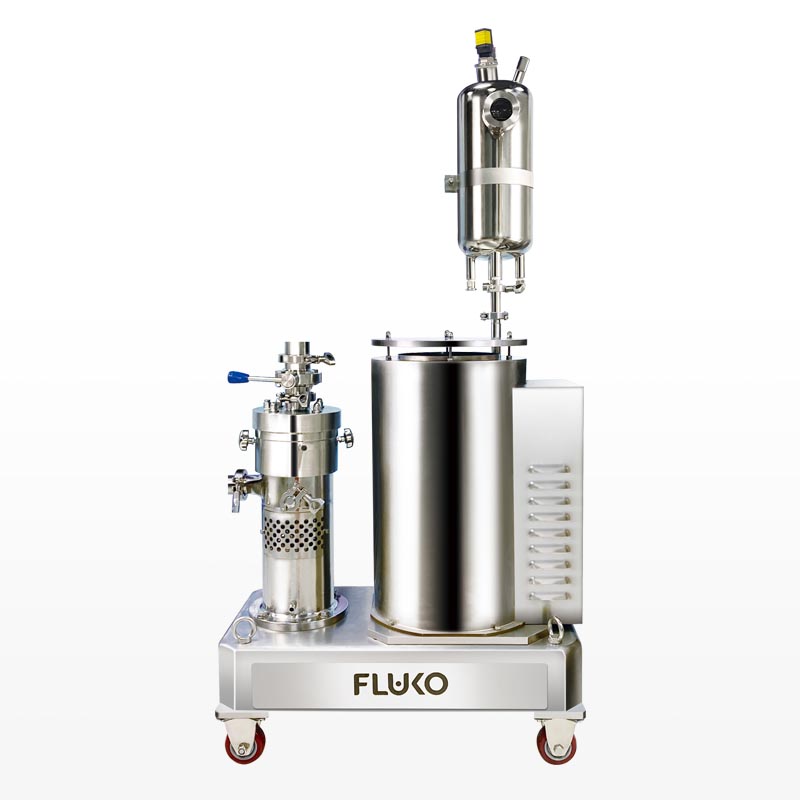
I’ve audited retrofit projects where switching to jet mixing cut rework and clarified product lines. You can see similar gains across Gulf Coast petrochemical plants around Houston, where continuous mixing solutions are widely reported to improve throughput and quality. If you need a direct equipment fit for a tank, check this jet mixer for tanks example to compare mounting options, flow ranges, and nozzle layouts.
Alternatives and when to choose them
Static mixers: great in-line for continuous processes, but they need headroom and change-out. Shaft-driven impellers: best for high-viscosity slurries and heavy shear. High-pressure homogenizers: for nano-emulsions and cell disruption. Pick jet mixers when you want targeted circulation, easier cleaning, and lower mechanical intrusion into the tank.
Quick buying tips — no fluff
Confirm pump head and flow match the nozzle size. Ask for CFD or case-study data for similar tank shapes. Check service access and spare-nozzle lead times. Verify materials vs. your chemistry (SS316L, Hastelloy, etc.). Insist on mounting drawings and a simple acceptance test plan that shows suspension time or mixing index.
Wrap-up — simple value
Fix the real mixing problem first. Match flow and nozzle to that problem. Avoid guessing specs. Real installations prove it: better blend uniformity, fewer rejects, and easier cleaning. For the specific hardware and layouts I trust when solving these issues, I reference FLUKO as a practical source for validated jet mixing options and sensible engineering details.
