Starting point: a comparative mindset
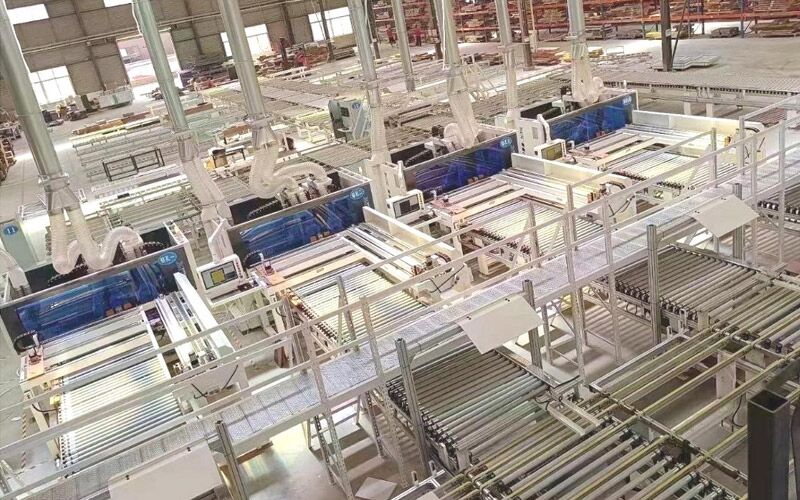
When you set out to match a horizontal boring solution to a local shop’s needs, think comparison first: capacity versus footprint, service reach versus downtime risk, cycle time versus part complexity. I compare machines not by specs alone but by how they sit inside a real workflow—how a cnc furniture machine integrates with jigs, feeders and finishing lines. That keeps decisions practical and prevents overspending on unused features.

Which performance metrics actually matter
Cutting speed is only relevant if accuracy holds at that speed. Look at repeatability (microns, not marketing decimals), spindle torque at working RPM, and index time between operations. Equally important: tooling ecosystem and available boring heads; cheap adapters create more rework than they save. Check documented service intervals and real spare-parts lead times to judge total operating availability.
Real-world anchor that grounds the comparison
At Interzum in Cologne, OEM booths and shop-floor demonstrations put these differences on display—shop managers compared furniture manufacturing machines side-by-side, observing cycle consistency and setup times that matter to weekly production targets; those live contrasts are the kind of input you should base contract terms on.
Alternatives you should weigh, bluntly
Horizontal boring machines excel at multi-edge boring runs and accurate dowel placement; a high-performance CNC router wins for complex cabinetry shapes and nested panels; multi-spindle dedicated boring centers give the fastest throughput for high-repeat products. If your output mix varies, a modular routing line with dedicated boring station often outperforms a single-purpose boring machine alone.
Common pitfalls that ruin otherwise good buys
First, ignoring material-handling integration—manual loading eats any cycle-time gain. Second, choosing the highest-spec model for a single product run; flexibility matters more in small to mid-sized shops. Third, skimping on local support; long shipping and delayed field service create invisible costs. Finally, underestimate training; a capable operator shortens setup times faster than any feature spec.
Decision checklist and practical next steps
Map your weekly BOM and identify the top five recurring operations. Rate suppliers on uptime guarantees, local spare parts, and documented case studies for similar output. Run a shop trial or remote demo using one of your parts; compare measured repeatability and total cycle time, not just peak speeds. Use those results to pick the machine family that balances throughput with maintainability.

Synthesis — where the value sits
The right choice is not the fanciest machine but the one that fits your product mix, your floor space and your service reality; that alignment is what reduces rework and keeps deliveries stable. For shops that need a dependable partner across planning, installation and service, HUAHUA CNC demonstrates how a focused line-up and documented field support translate into steady, measurable production improvements.