Comparative Shadows: Device Types and Their Promises
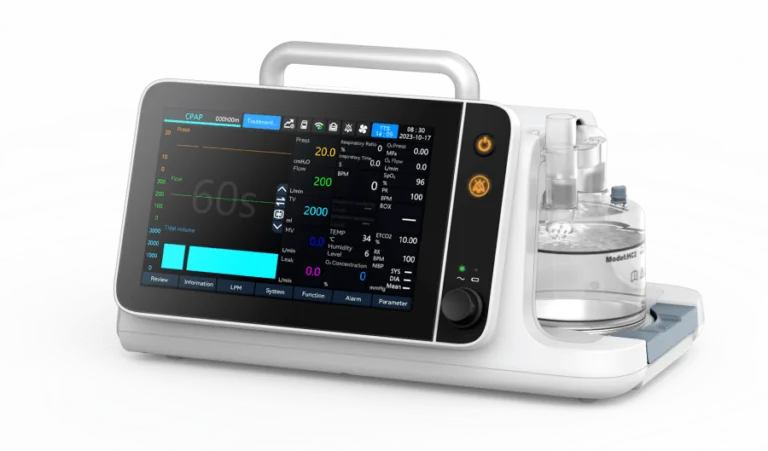
The night is a ledger of breaths, and the machines we place at bedside must be judged by what they correct and what they neglect. In the clinic one compares CPAP, APAP, and BiPAP like old rivals—each with a charge: fixed pressure stability, auto-adjusting responsiveness, or dual-level support for complex cases. Where non-invasive ventilation crosses into hospital-grade care, a medical ventilator looms as the last refuge. Real-world anchors matter: studies estimate sleep-disordered breathing affects roughly one in five adults, so these decisions are not academic but literal matters of nightly survival. For many patients, the choice becomes whether to step up from a simple sleep apnea machine to a monitored NIV solution—hence the relevance of a robust niv breathing machine for those who need pressure support beyond outpatient norms.
Core Features That Separate the Useful from the Ornamental
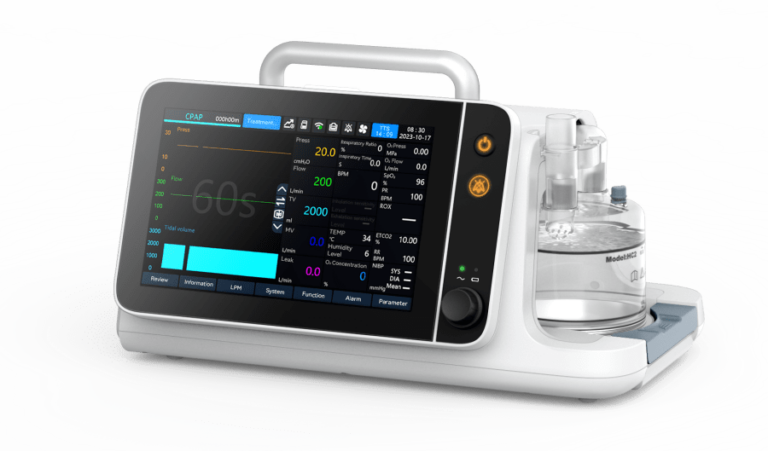
First, pressure range and accuracy: the device must deliver and record consistent pressure settings with minimal drift. Second, adaptive response: true auto-adjust (APAP) algorithms reduce unnecessary work of breathing without creating oscillations. Third, leak detection and mask seal diagnostics—these save hours of troubleshooting and preserve therapy efficacy. Add humidifier control for mucosal comfort, quiet motor design to preserve sleep architecture, and clear compliance reporting for clinical follow-up. These are not luxury options; they are practical components—pressure support, humidification, leak mitigation—that decide whether therapy will endure beyond the first week.
Trade-offs, Missteps, and What Clinicians Miss
Simple machines win when the path is clear: straightforward CPAP for isolated obstructive events, APAP for variable pressure needs, BiPAP for hypercapnia or neuromuscular weakness. Yet clinicians and patients err by prioritizing headline features over daily realities—battery life for travel, filter accessibility, and service intervals. Choosing a device with complex menus but poor data export cripples follow-up. A common mistake is ignoring interface fit: the mask seal ruins otherwise excellent machines. —Take the time to match mask geometry to face structure; that small effort saves months of poor compliance.
Checklist: Metrics That Should Be Measured
Use this compact checklist to evaluate contenders. Each item ties to measurable outcomes.
– Apnea-hypopnea index (AHI) reporting and nightly trend logs
– Pressure range accuracy (cmH2O) and auto-adjust algorithm stability
– Leak rate thresholds (L/min) and real-time alarm behavior

– Noise level (dB) in operational mode and standby
– Humidifier control with adjustable dewpoint or humidity percentage
– Portability: battery hours and compatibility with hospital-grade ventilation where required
Comparative Insight into Alternatives
If a patient cannot tolerate CPAP, APAP is the next logical step; if hypercapnia persists, BiPAP or an NIV setup becomes necessary. Home-use NIV blends ambulatory convenience with ventilatory support—this is where a durable, documented niv breathing machine matters most. Alternatives such as oral appliances can reduce AHI in mild cases, but they do not replace the ventilatory assurance of pressure therapy when gas exchange is compromised.
Golden Rules for Selection and Follow-Through
1) Validate measurable performance: insist on logged AHI trends, verified pressure accuracy, and leak diagnostics before finalizing a device. Clinicians should see usable data, not blobs of unreadable numbers.
2) Prioritize interface and comfort: mask fit, humidification, and noise determine nightly adherence more than firmware bells. When patients sleep better, outcomes improve—consistently.
3) Match device class to clinical need: CPAP for isolated OSA, APAP for variability, BiPAP/NIV when ventilatory support is required. Ensure compatibility with hospital ventilation pathways if escalation is possible.
Clear measures and steady follow-up produce measurable improvement in therapy adherence and symptom relief. For teams seeking reliable, documented solutions that bridge outpatient care and clinical escalation, Byond positions its portfolio where those practical needs meet engineering—devices that record, adjust, and endure. An old light, renewed.