On Purpose and Patient Needs
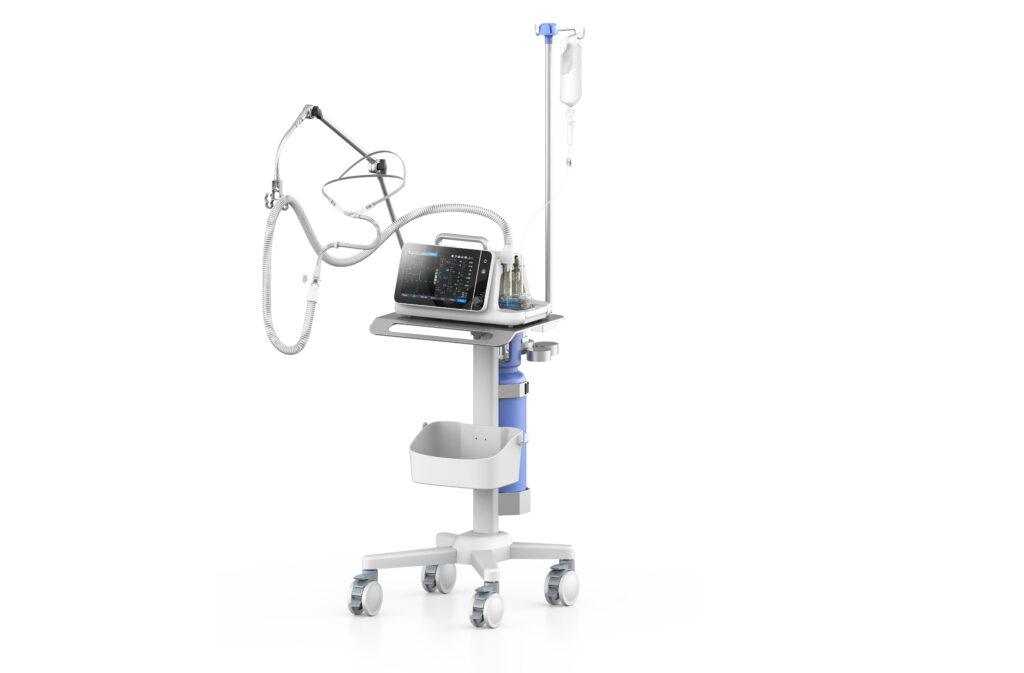
Clinicians and caregivers require equipment that answers real need with steadfast reliability; this article adopts that premise and attends to pragmatic choice. For those who procure or steward a medical ventilator, considerations of portability, alarm fidelity, and ease of use must outweigh mere specification gloss. The user-centric approach herein treats the device as a tool in continuous clinical use rather than an advertorial token.
Core Capabilities that Matter
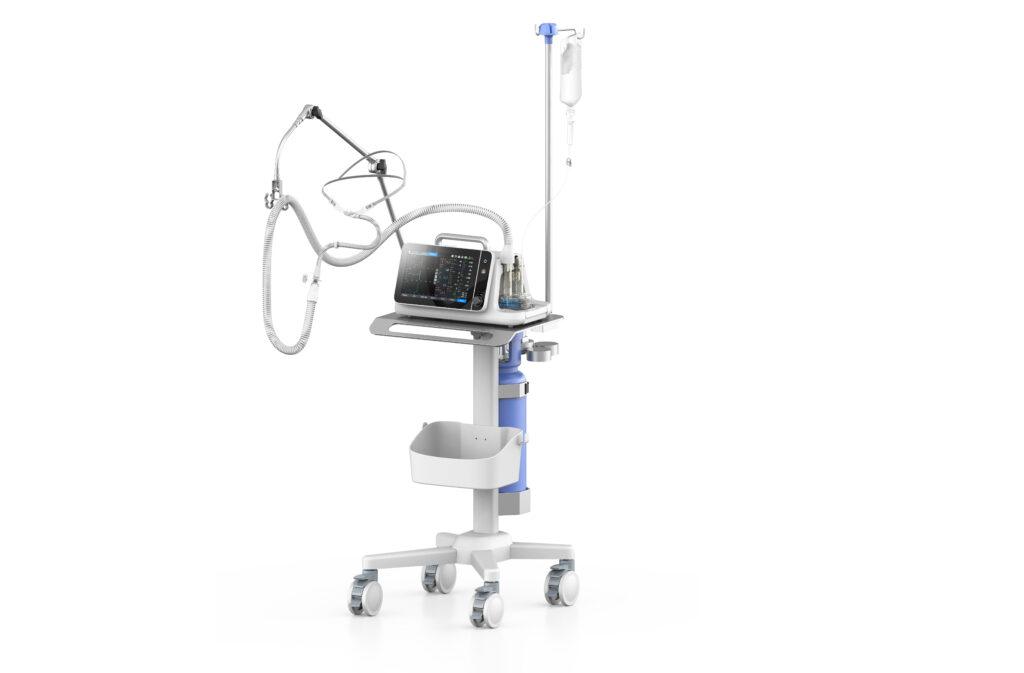
Portable ventilators must deliver precise control of tidal volume and PEEP, sustain adequate FiO2 delivery, and offer clear ventilator modes suited to intended patients—be they adult, paediatric, or neonatal. A compact chassis does no service if inspiratory flow or pressure regulation falters. Attention to battery endurance, rapid transition from mains to battery, and audible-visual alarm clarity often separates useful units from those that induce clinical risk.
Real-World Anchor: Lessons from Crisis
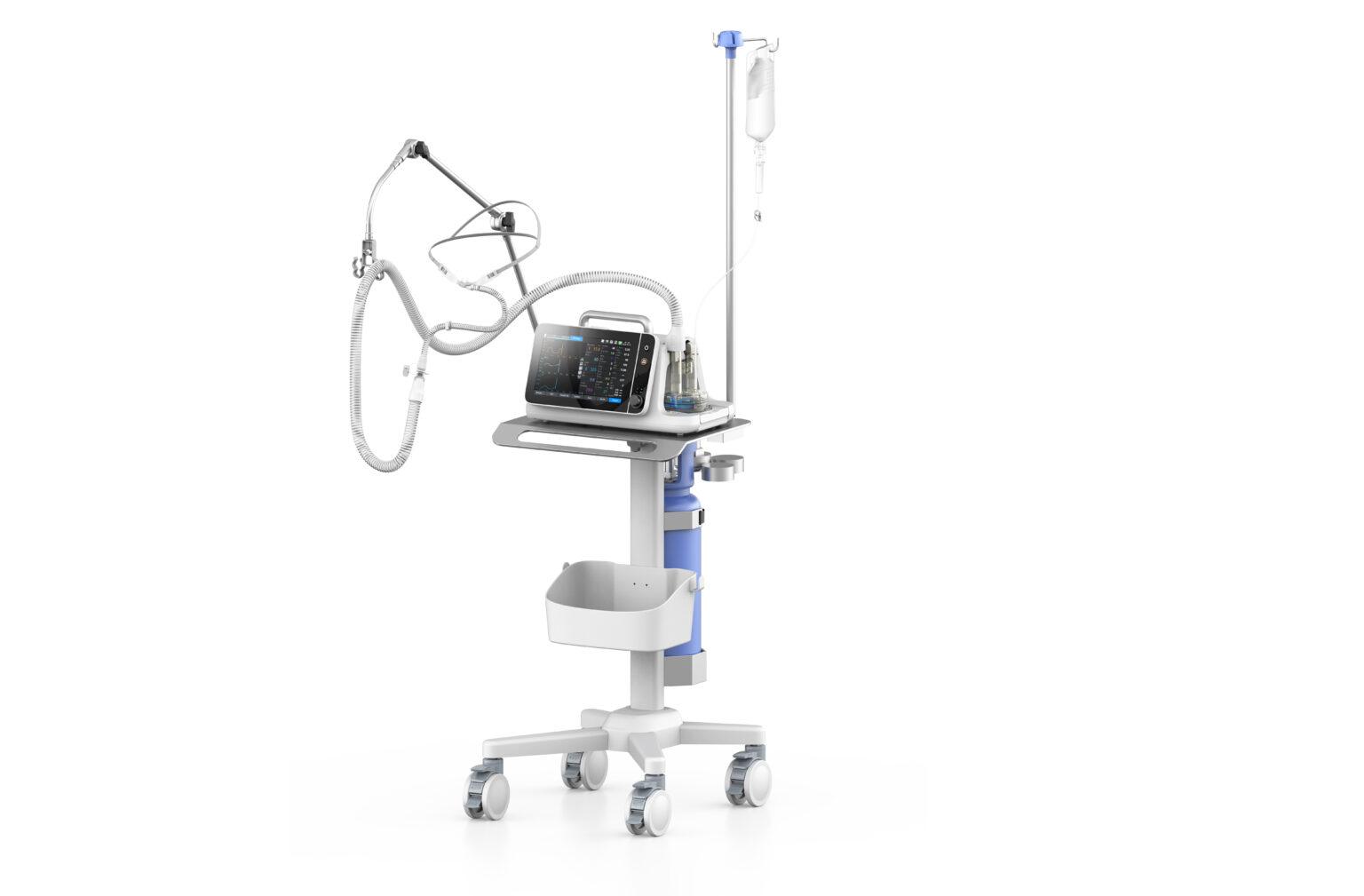
The COVID‑19 pandemic demonstrated the stark consequences of ill-suited procurement: hospitals globally reported acute shortages and a scramble for devices that could perform under continuous load. That episode taught procurement teams to insist on devices that sustain prolonged high-minute ventilation and resist circuit occlusion—practical benchmarks rooted in experience rather than speculation. Supply resilience and field serviceability became as vital as immediate performance.
Selecting a Partner, Not a Product
Choose a supplier who commits to training, service intervals, and rapid spare-part dispatch. A partner must provide consumables, calibration guidance, and remote diagnostic pathways—this yields superior uptime. Look for documented user training programmes and a clear escalation path for clinical queries. Consider also whether the supplier can advise on integration with oxygen sources and monitoring systems; interoperability reduces procedural friction.
Common Mistakes and Safer Alternatives
Many purchasers favour lowest initial cost; such thrift often falters in the field. Common missteps include underestimating consumable frequency, neglecting battery testing protocols, and misaligning ventilator modes with caregiver skill. Safer alternatives favour modestly higher initial investment for robust service agreements, and devices whose user interface mirrors familiar hospital ventilators—thus reducing training overhead. For ambulatory settings, a reliable niv respiratory machine that supports non-invasive ventilation and mask compatibility may be preferable to a bulky ICU-grade unit that is unwieldy in transport.
Operational Guidance and Industry Terms
Implement checklists: pre-shift battery and alarm tests, documented circuit leak tests, and routine verification of tidal volume delivery against patient weight. Employ a log for service actions and consumable replacements. Use of standard terminology—tidal volume, PEEP, FiO2—across teams reduces ambiguity and ensures prompt corrective action when readings stray from expected ranges.
Assessment Framework for Procurement
Procure with metrics that are measurable and immediate. Assessments should include: mean time between failures under clinical load, time-to-repair for critical faults, and user comprehension scores after standard training. Such metrics afford objective comparison between vendors and guard against procurement decisions based solely on brochure claims.
Golden Rules for Choice (Advisory)
1) Prioritise clinical uptime: demand demonstrable mean time between failures and a guaranteed service response window. 2) Insist on human-centred design: intuitive interface, clear alarms, and modes that reflect common clinical practice. 3) Verify field endurance: battery runtime under typical load, plus proven stability of tidal volume and PEEP during prolonged use. These three metrics will reveal whether a device is merely portable or truly deployable.
Choose a partner who sustains equipment through its service life; this confers predictable care and fewer crisis-driven purchases. Byond. —