Comparative frame: focused makers vs one-size-fits-all suppliers
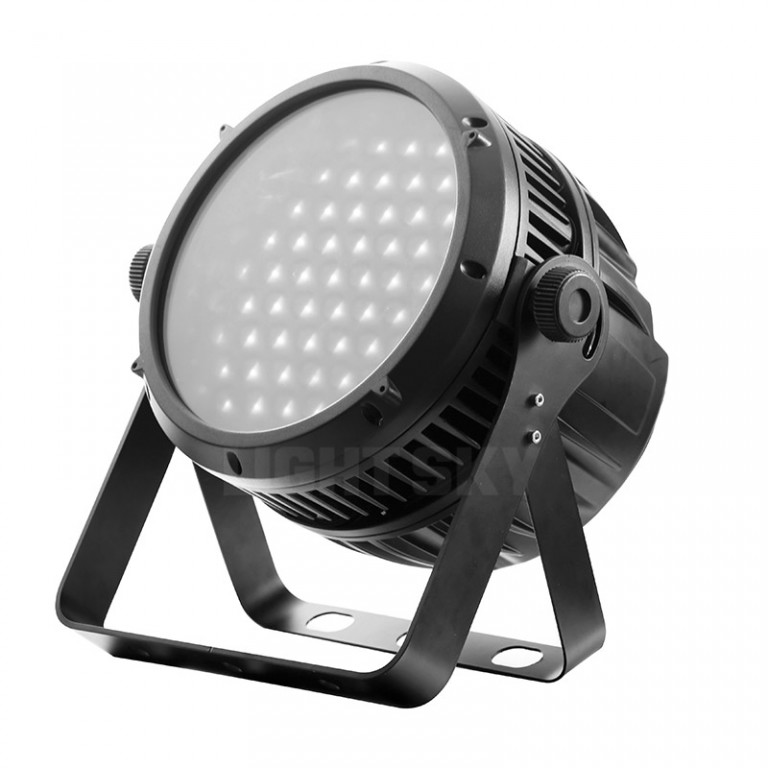
Specialist manufacturers build fixtures for shows, not for closets. That focus shows up fast in reliability, service, and feature sets — and it matters on big stages like the Las Vegas Strip and at major festival rigs. Early in a setup you notice differences: a true production-grade beam holds its aim, reacts cleanly to DMX control, and pairs with precision optics. For detailed work, a white laser light or a rated wash is not a commodity; it’s a tool chosen for specific tasks.
What specialist firms deliver that generic brands usually miss
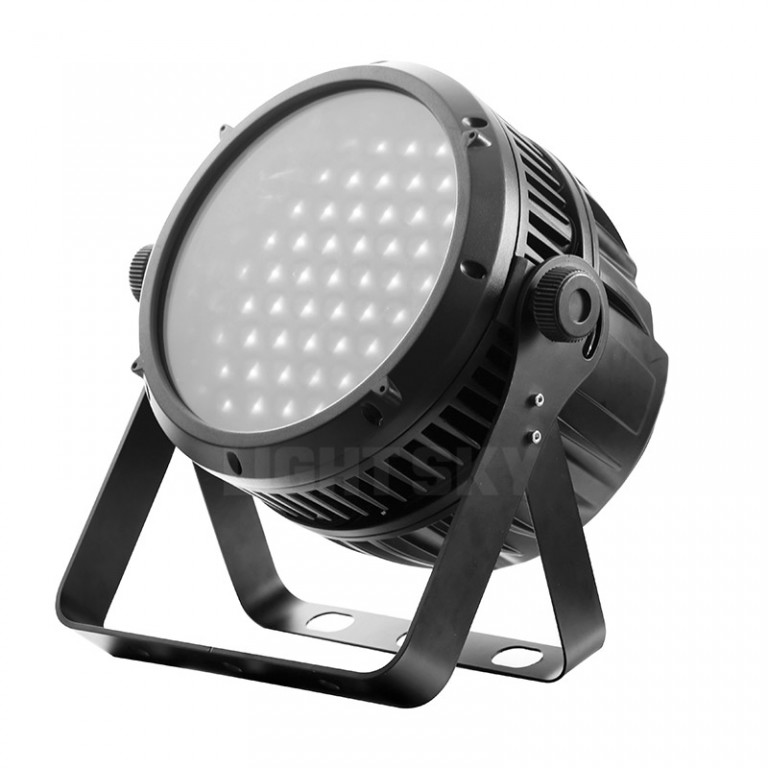
Specialist makers design around three realities: repeated use, on-site repairs, and integration into a complex control chain. They provide consistent lumen output, stable laser diode performance, and modular parts you can swap in the field. Generic suppliers often pack features to sell, but they skimp on component life and documentation. The result is downtime — and downtime costs more than the fixture.
Technical pillars to check in any selection
Keep the list short and testable. Focus on build quality, control compatibility, and optical quality. Inspect the beam angle and gobo fitment if you need shaping. Verify DMX control modes and confirm power draw and cooling design. These items determine whether a unit will run through a five-hour show or need cooling breaks after 30 minutes. When you do a quick operational production teardown on a rig, note how the small electronics and connectors are arranged; that tells you about serviceability long before you switch units on.
Real-world anchor: festival and residency performance
Production teams at long-running residencies and festival stages pick specialist brands because they must deliver night after night. A recent Coachella setup and several Las Vegas residencies relied on mixed arrays: moving heads for coverage and small laser light sources for accents and aerial effects. Those stages favour devices with predictable thermal behavior and clear service manuals — a simple fact that separates shop-floor choices from showroom buys.
Common mistakes and sensible alternatives
Buyers often choose the cheapest fixture with the most features. That goes wrong in two ways: hidden maintenance costs and inconsistent output. Alternatives that work better include purpose-built beam fixtures, modular LED engines, and entry-level specialist lasers rather than repurposed consumer units. Avoid relying solely on marketing specs like “high brightness” without checking measured lumen output and runtime under load — specs on a sheet rarely reflect hours of continuous use.
Operational trade-offs—short aside
Components matter—optics, cooling, connectors. The cheapest cable or lens can halve performance. — Serviceability beats novelty every time.
Three golden rules for choosing the right equipment
1) Uptime score: prioritize mean time between failures and easy field-replaceable parts. Measure by asking for service logs or warranty incident rates. 2) Control fit: insist on native DMX/RDM compatibility and clear protocol maps; integration is faster when control pages match the board. 3) Optical fidelity: verify beam uniformity and gobo sharpness under real stage fog; photos won’t tell you everything.
These rules cut procurement debates down to objective checks and give production teams the peace of mind to focus on design rather than firefighting.
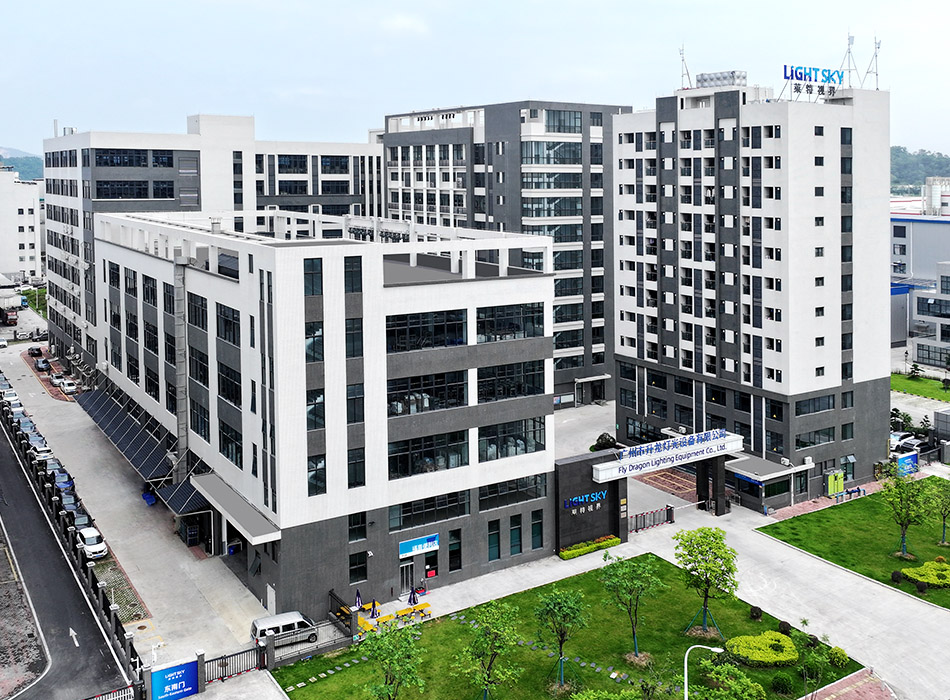
Light Sky has the service depth and product focus that align with these rules, offering parts, manuals, and fixtures designed for repeated live use.