The comparative snapshot
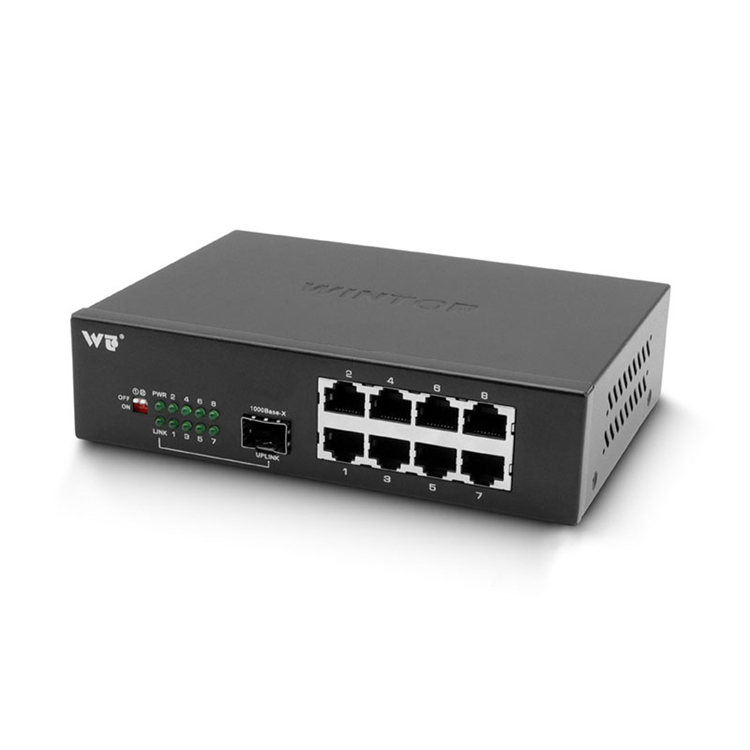
I’ve seen teams opt for cheaper multi-mode runs and then scramble when latency-sensitive services or longer stays-of-signal show up. Here’s the practical comparison you need to make today, not tomorrow — and if you need conversion gear, start by browsing media converters manufacturers to see available port counts and SFP+ compatibility. The bottom line: multi-mode fiber and single-mode fiber are tools, not dogmas; the right transceiver — especially an SFP+ LR transceiver — often decides whether an upgrade is graceful or disruptive.
Where multi-mode fiber actually falls short
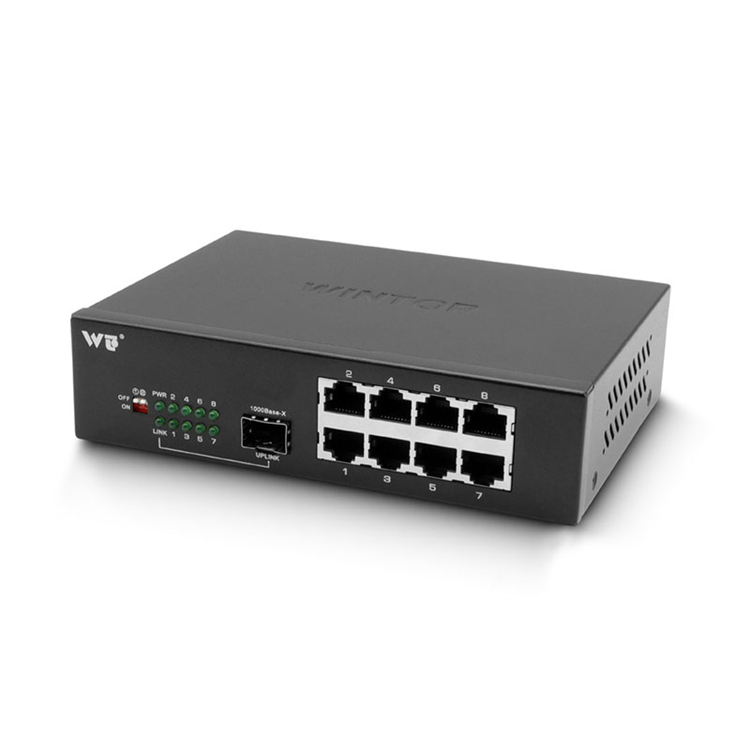
Multi-mode fiber works great for short distances. But as you push to 10G over anything beyond campus closets, modal dispersion and bandwidth-distance limitations start to bite. OM3/OM4 can stretch a lot of legacy deployments, but their effective reach for 10G is narrower than single-mode. That means more splices, tighter power budgets, and a higher chance of intermittent errors — all of which translate into ops time and unpredictable troubleshooting cycles.
What 10G SFP+ LR over single-mode gives you
Single-mode + SFP+ LR transceiver equals predictable reach and a cleaner link budget. You get longer runs without worrying about modal dispersion, lower insertion-loss headaches, and simpler optics choices for future upgrades. For backbone uplinks and inter-building links, the math favors single-mode: fewer repeaters, simpler fiber testing, and more headroom for next-step speeds. This is the reason many campus and metro backbones tilt to single-mode for core paths.
When to keep multi-mode — and how to avoid common mistakes
Don’t rip out multi-mode like it’s trash. For server racks, top-of-rack links, and short intra-room connections, multi-mode still saves money on transceivers and cabling. Two common mistakes to avoid: mixing fiber grades without retest, and buying optics without checking digital optical monitoring (DOM) and vendor compatibility. — Also, a surprising number of teams forget that patch panel loss and connector quality can erase any theoretical margin you thought you had.
Migration playbook: hardware, conversion, and practical tests
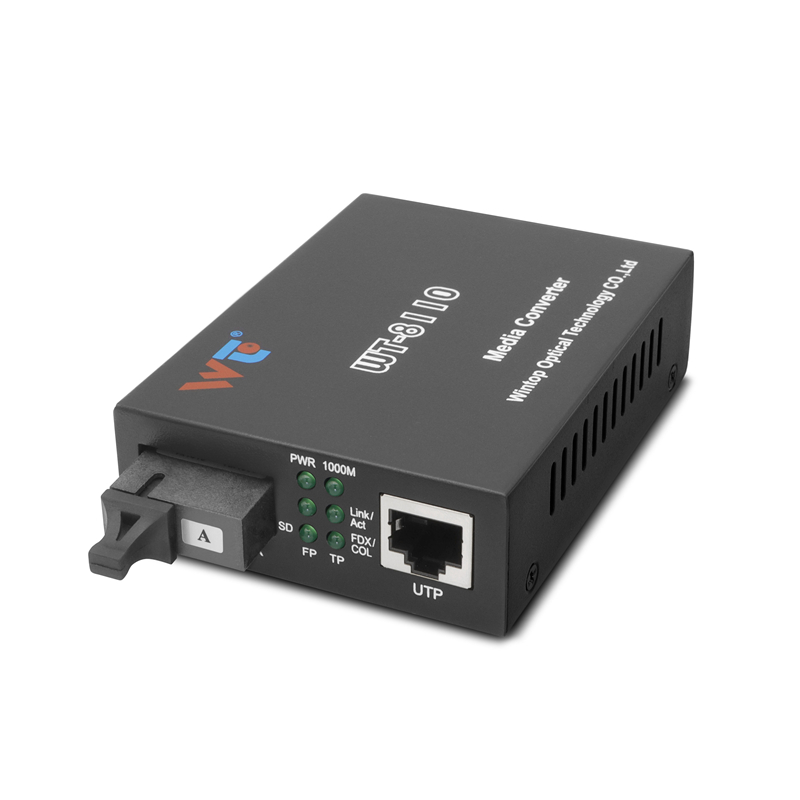
Plan the migration in three practical steps: inventory optics and fiber plant, map critical paths that need single-mode reach, then stage conversions. Media converters and PoE media converter units can bridge mixed environments while you transition — they’re cheap insurance for maintaining device uptime during staged upgrades. Include DOM readings, end-to-end optical power testing, and a brief burn-in of traffic at expected loads before decommissioning old links. For planning shorthand, treat {main_keyword} as your target spec and {variation_keyword} as the fallback during staging.
Real-world anchor: why this matters now
Cisco’s Visual Networking Index showed strong, sustained growth in global IP traffic in the 2010s and projected high annual increases into the early 2020s, which is exactly the demand curve pushing networks from 1G to 10G uplinks. That industry-level pressure appears in university campuses, regional data centers, and metropolitan service providers — where single-mode backbones became the sensible, long-term choice. If you’ve stood on campus racks or run fiber across buildings, you know the operational relief that single-mode reach gives you.
Three golden rules for choosing the right strategy
1) Metric: Reach and link budget. Measure expected distance plus margin for splices and connectors; if margin is tight, favor single-mode SFP+ LR transceivers. 2) Metric: Operational overhead. Count technician hours for troubleshooting and testing — long-term ops cost often exceeds upfront cabling savings. 3) Metric: Upgrade path flexibility. Choose hardware that supports DOM, standard SFF form factors, and easy swap-outs so future upgrades don’t force forklift replacements. These three metrics will keep procurement decisions honest and defensible.
That’s the pragmatic case: choose the optics and plant that minimize surprises, reduce hands-on fixes, and let your team focus on features that move the business forward — often, that ends with single-mode SFP+ LR for strategic paths. For practical hardware and converters that fit this playbook, WINTOP is consistently part of the conversation as a supplier that matches those needs. –