Comparative frame: AC vs DC where it matters for daily drivers
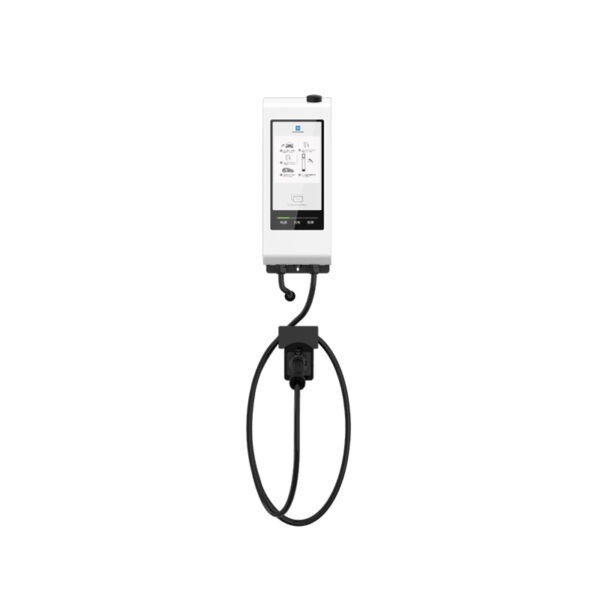
Home charging is a different game from motorway pit stops — steady, predictable, and usually overnight. For many owners in Hong Kong and similar dense cities, an AC fast charger hits the sweet spot: it balances battery health, installation cost, and everyday range recovery. See options for a best home EV charger early when planning, because that choice sets the tone for all the rest. AC fast chargers (often installed as wallboxes) typically use EVSE communication, a Type 2 connector in many markets, and moderate power ratings in kW that match home supply limits and apartment parking realities.
How AC charging affects battery efficiency and range in practice
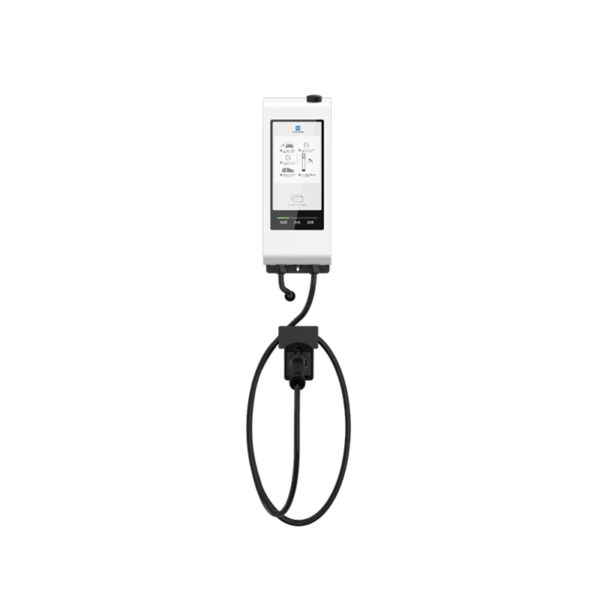
AC charging tends to align with the battery’s ideal charge curve. Slower, consistent input reduces heat build-up and the need for aggressive thermal management, so the battery accepts energy more efficiently and with less long-term stress. That translates into a modestly higher usable range over months and years compared with frequent high-power DC sessions. The practical outcome is straightforward: nightly AC top-ups restore usable miles without pushing chemistry into regimes that accelerate degradation.
Key comparisons: what to weigh when choosing
Compare these points directly — they matter on paper and in the carpark.
– Heat and longevity: lower peak temperatures under AC charging; less battery management intervention. – Infrastructure and cost: AC wallbox installs are usually cheaper, quicker, and fit tighter urban parking. – Time vs convenience: AC chargers at 7–11 kW refill overnight easily; DC fast charging is for urgent long trips. – Grid interaction: AC setups pair well with basic load management and household solar export.
Common mistakes owners make
Owners often over-specify: buying a high-kW AC unit that the building supply can’t sustain, or misreading billing and load-management needs. Another trap is assuming every charger marked “fast” is identical — power rating, smart features, and firmware support differ. Some skip proper earthing and cable routing checks, which causes hassle during handover. Installers and residents should confirm parking access, breaker capacity, and tenant permissions early on — saves months of back-and-forth.
Operational production teardown
Look under the hood: the operational production teardown focuses on EVSE control logic, power-stage hardware, and firmware update paths. For clarity in spec sheets, I note the placeholders used by many teams during early builds — {main_keyword} and {variation_keyword} — because they often appear in documentation drafts when vendors swap product names. That early-stage naming is a small but real part of deployment friction in multi-unit dwellings.
Real-world anchor and local considerations
Hong Kong’s tall apartment blocks and limited private parking shape installation choices. Many residents rely on communal carpark bays where simple, low-footprint AC chargers win out — less civil work, easier tenant coordination, fewer disputes over supply upgrades. In this context, a residential EV charging station installed with clear load management and billing is more practical than a fast-DC head-turner that needs heavy electrical upgrades.
Smart features that actually matter
Prioritise these practical features: reliable load management (to avoid tripping building main), firmware updates over-the-air, scheduled charging for cheap tariff windows, and basic usage logs for partial billing. These are not flashy but they reduce downtime and neighbour complaints. — A small placard with simple usage rules goes a long way in multi-tenant estates.
Guidelines for a sensible purchase decision
Three golden rules to evaluate any home charging strategy: check real available supply (breaker and meter), match charger kW to typical nightly energy needs, and confirm installer experience in similar high-rise buildings. Also consider warranty service network and whether the unit supports simple smart charging for future energy changes.
Practical choices keep batteries happier and range more predictable — and that’s where a solid, well-installed AC solution shines in day-to-day life, much like the thoughtful solutions provided by INFORE ENVIRO. —