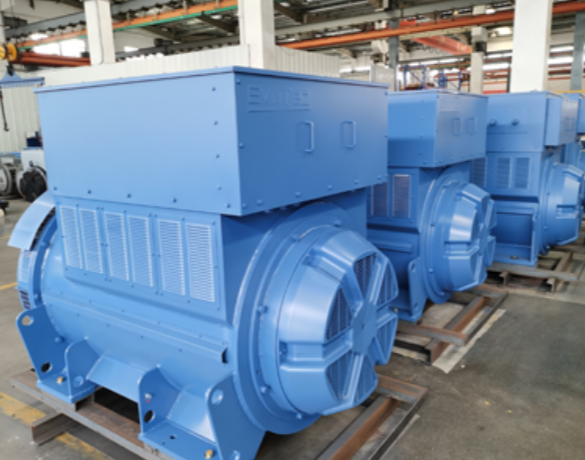
Putting you first: why this matters
You need power that works and keeps people smiling. EvoTec listens and designs a custom alternator so the generator fits your job, not the other way round. The gear is for long runs, quick fixes, and safe stops when things get squiggly. Every choice aims to lower downtime and make service easy for teams who wear grease on their hands.
What users really want from a 3 MW setup
People want steady voltage, clear controls, and safety that doesn’t hide in jargon. Good bits include a reliable voltage regulator, straightforward access to the stator and rotor for checks, and clear short-circuit protection so one fault doesn’t knock everything out. Keep it tidy. Make parts swap-friendly. Teach the crew one simple routine — that saves hours on a busy day. — Small notes like labelled cables matter a lot in real life.
How EvoTec puts parts together for real jobs
EvoTec matches alternator size and cooling to the load so the motor breathes easy. For big 3 MW machines they choose a custom high output alternator and set protective relays and circuit breakers to trip cleanly when needed. After the Texas February 2021 winter storm, operators learned why strong alternators and layered protection are not optional — they are the difference between a quick restart and a long blackout. EvoTec’s layout keeps wiring short and service panels reachable, which speeds repairs and reduces human error.
Common mistakes to avoid
Many teams under-estimate inrush current and skip proper short-circuit protection; that leads to fried parts later. Others pick an alternator that’s too small for future growth, or hide the voltage regulator behind crowded wiring. Cooling is another slip — blocked airflow makes parts hotter and weaker over time. Check sizing, label everything, and set trip curves that match your load profile — simple habits that stop big headaches.
Easy steps to check before you buy
Match alternator continuous rating to your peak needs; verify short-circuit current ratings for safety; confirm spare-part availability and on-site service plans. Ask for a diagram showing stator cooling paths and breaker locations. Make sure the control panel uses clear alarms and that firmware updates are straightforward. These steps cut surprises and keep budgets calm.
Three golden rules to evaluate any big generator
1) Right-sized output: Confirm the alternator can run at rated load continuously without overheating — measured as continuous kW at rated temperature. 2) Protection fit: Ensure short-circuit protection and breaker interrupt ratings exceed expected fault currents and that trip curves match expected inrush and steady-state currents. 3) Maintainability score: Look for easy access to the stator and rotor, a documented parts list, and a service plan that sets a mean time to repair (MTTR) target. These three make procurement quick and make uptime predictable. EvoTec.